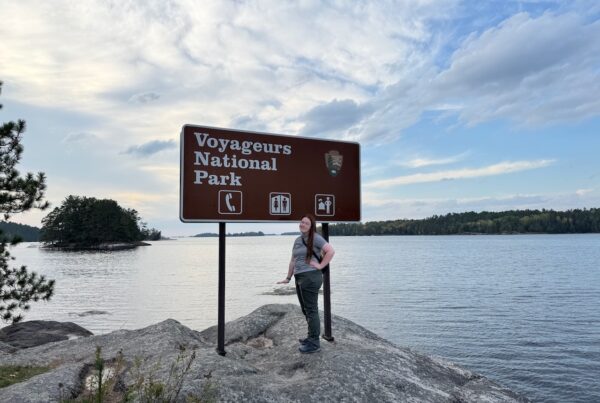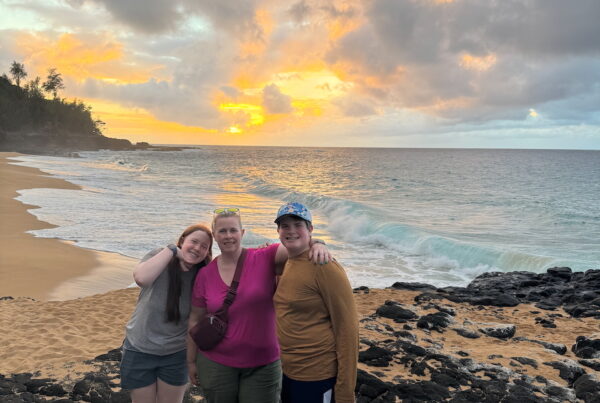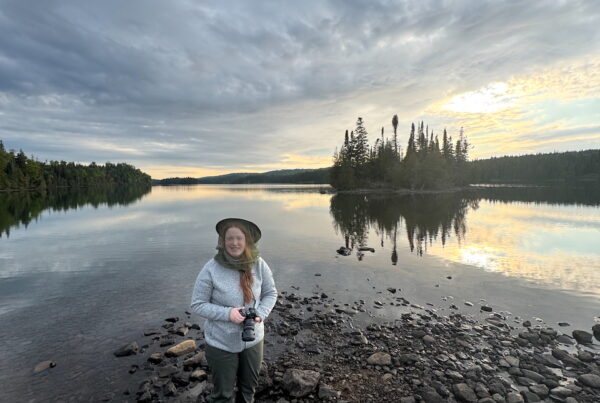

In February of 2026, Cameron and I were determined to get to American Samoa and visit our 58th national park. That meant making our way back to Hawaii, spending the night there, and then continuing all the way down to American Samoa the following afternoon.
The plan was simple enough on paper: fly from Boston to Hawaii, try to adjust to the time zone as quickly as possible, then fly the next evening down to Pago Pago. Of course, “simple” is doing a lot of work in that sentence. American Samoa is not exactly easy to reach from Boston.
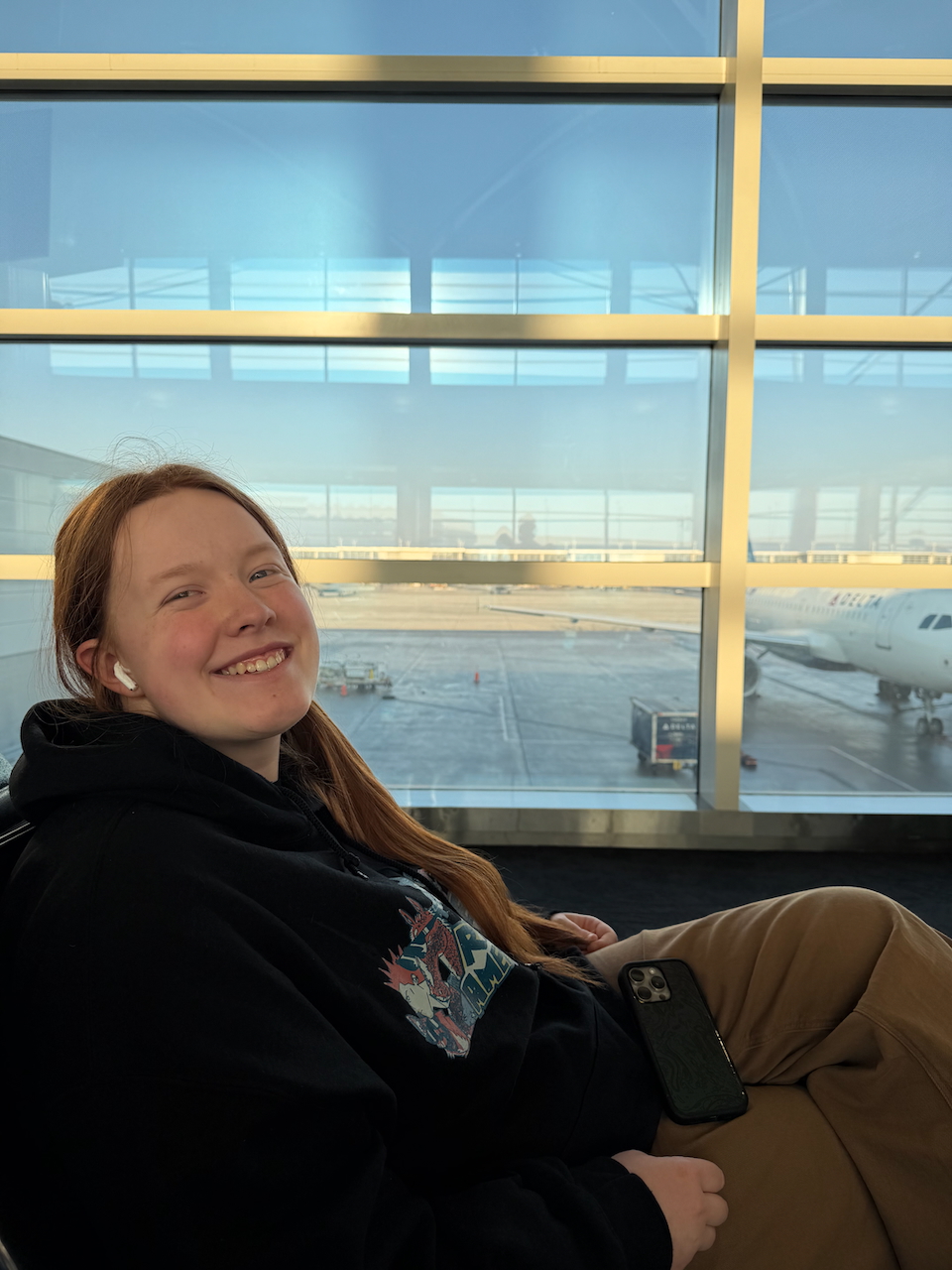
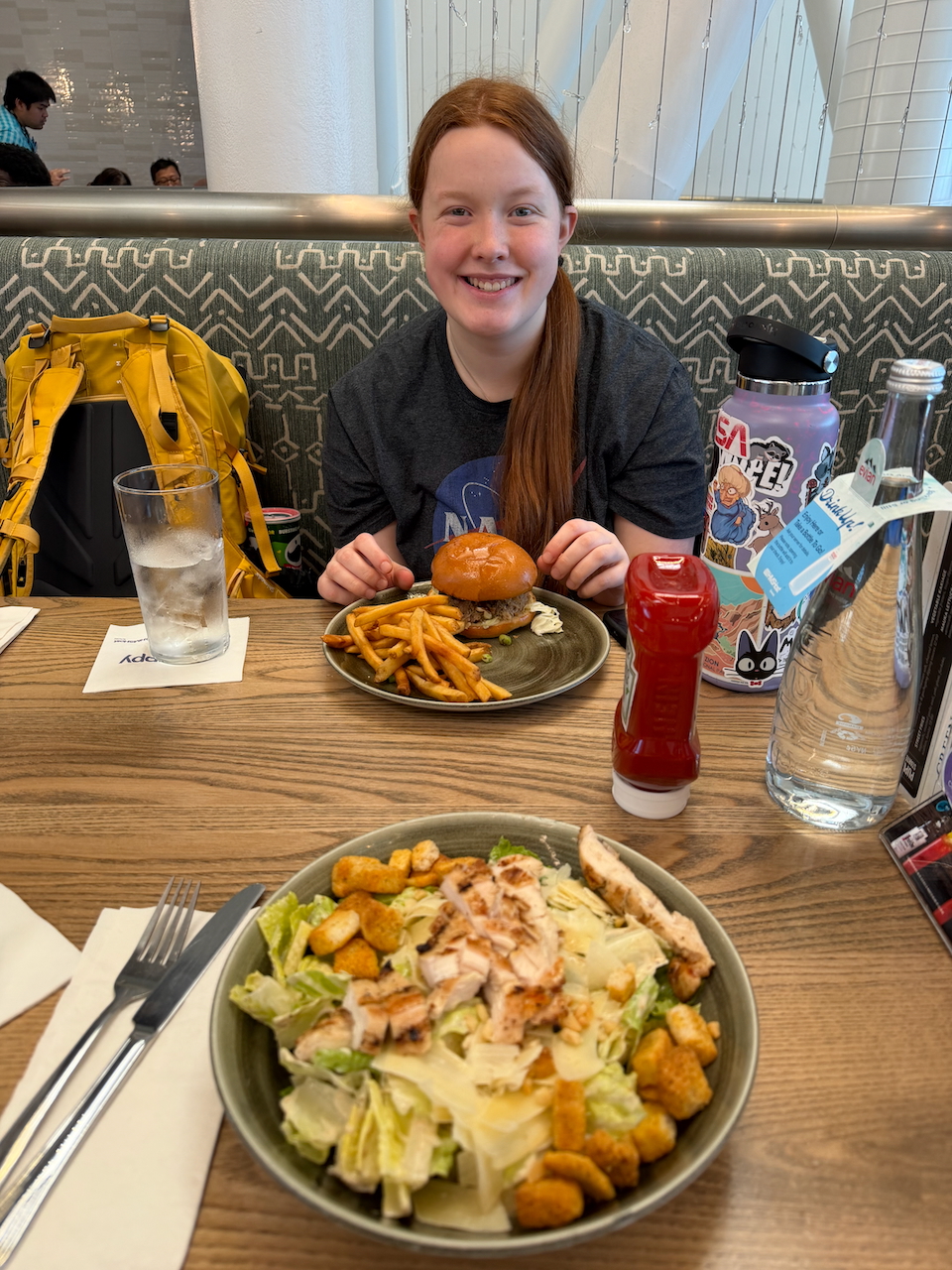
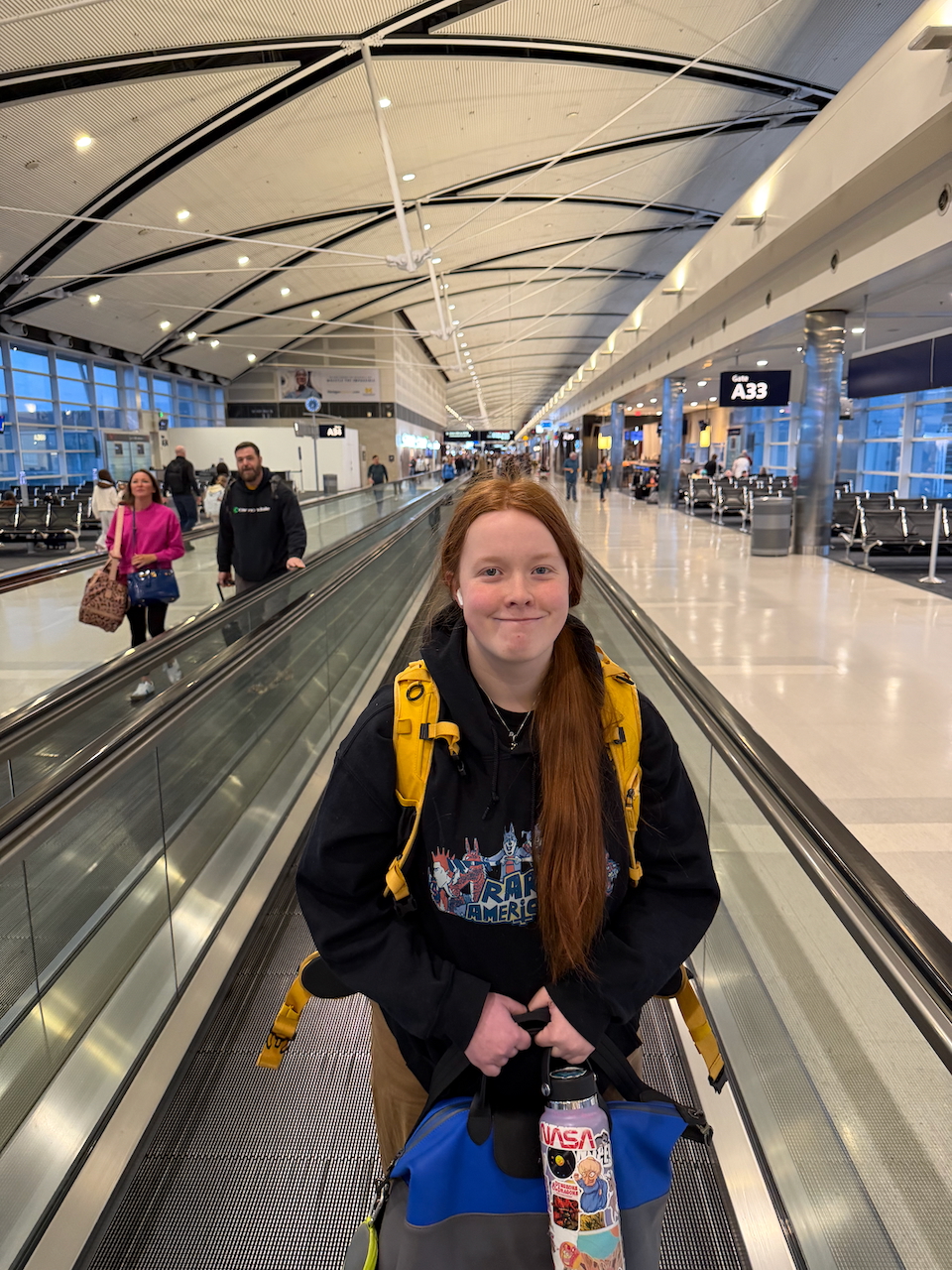
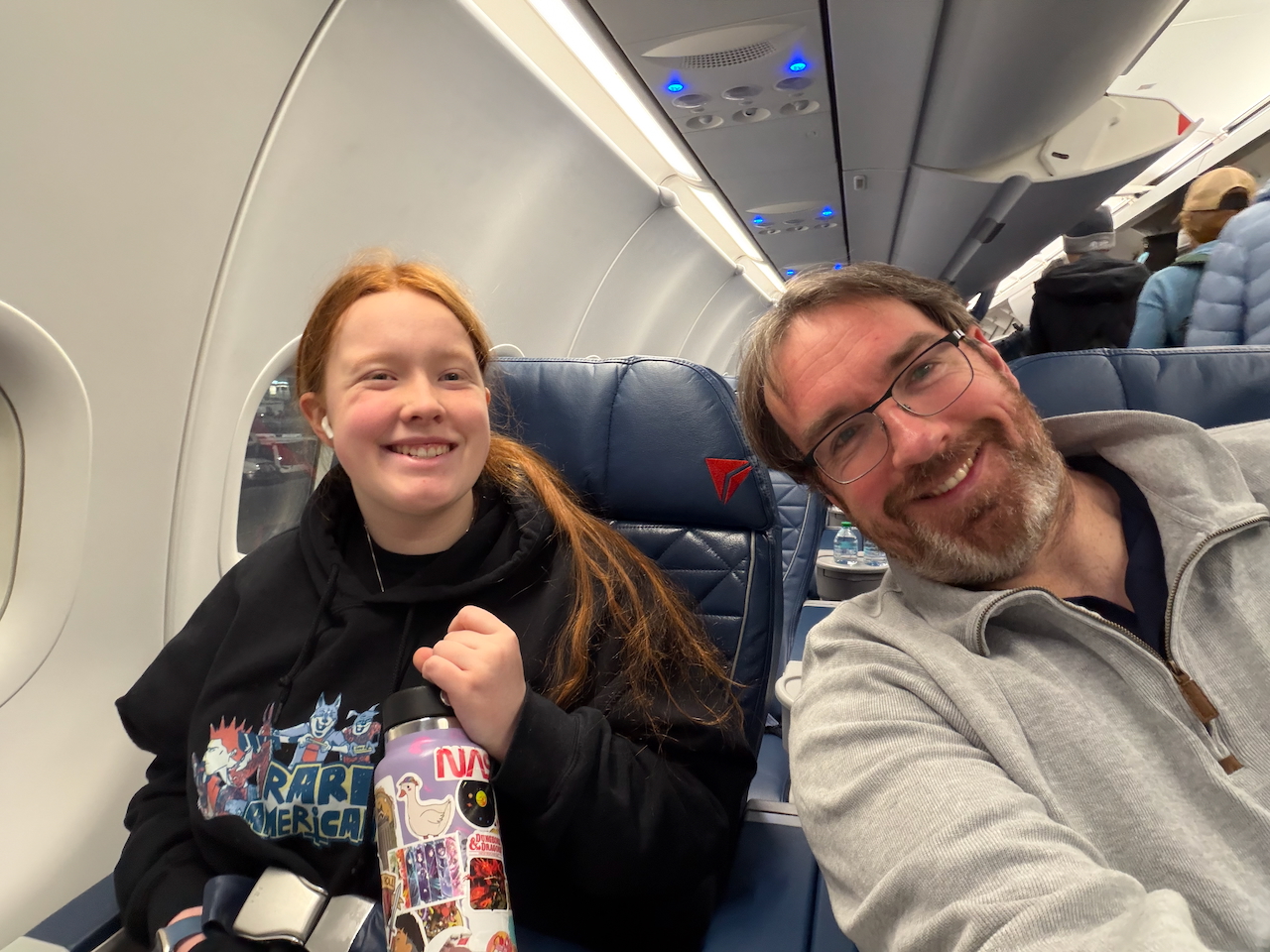
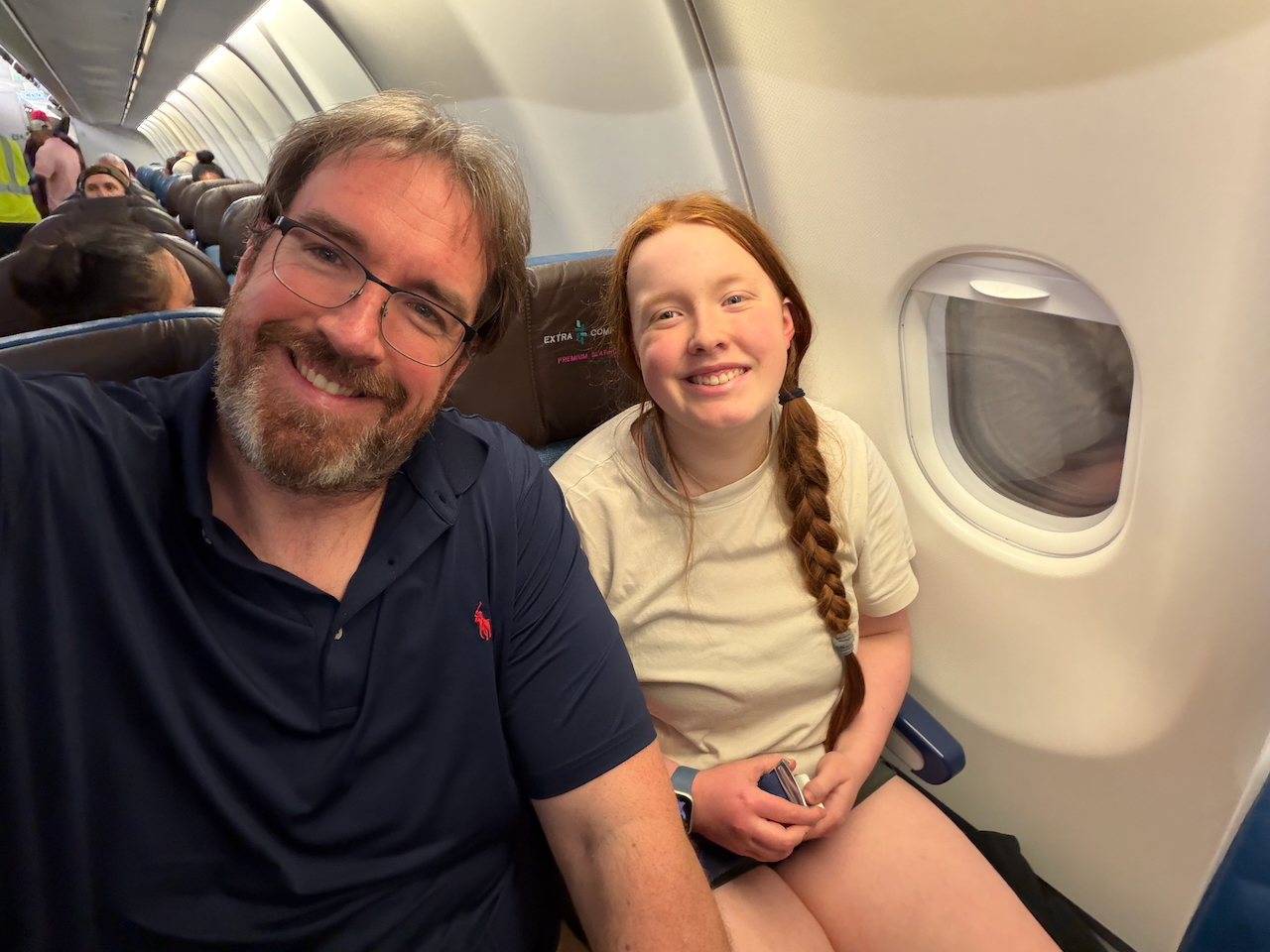
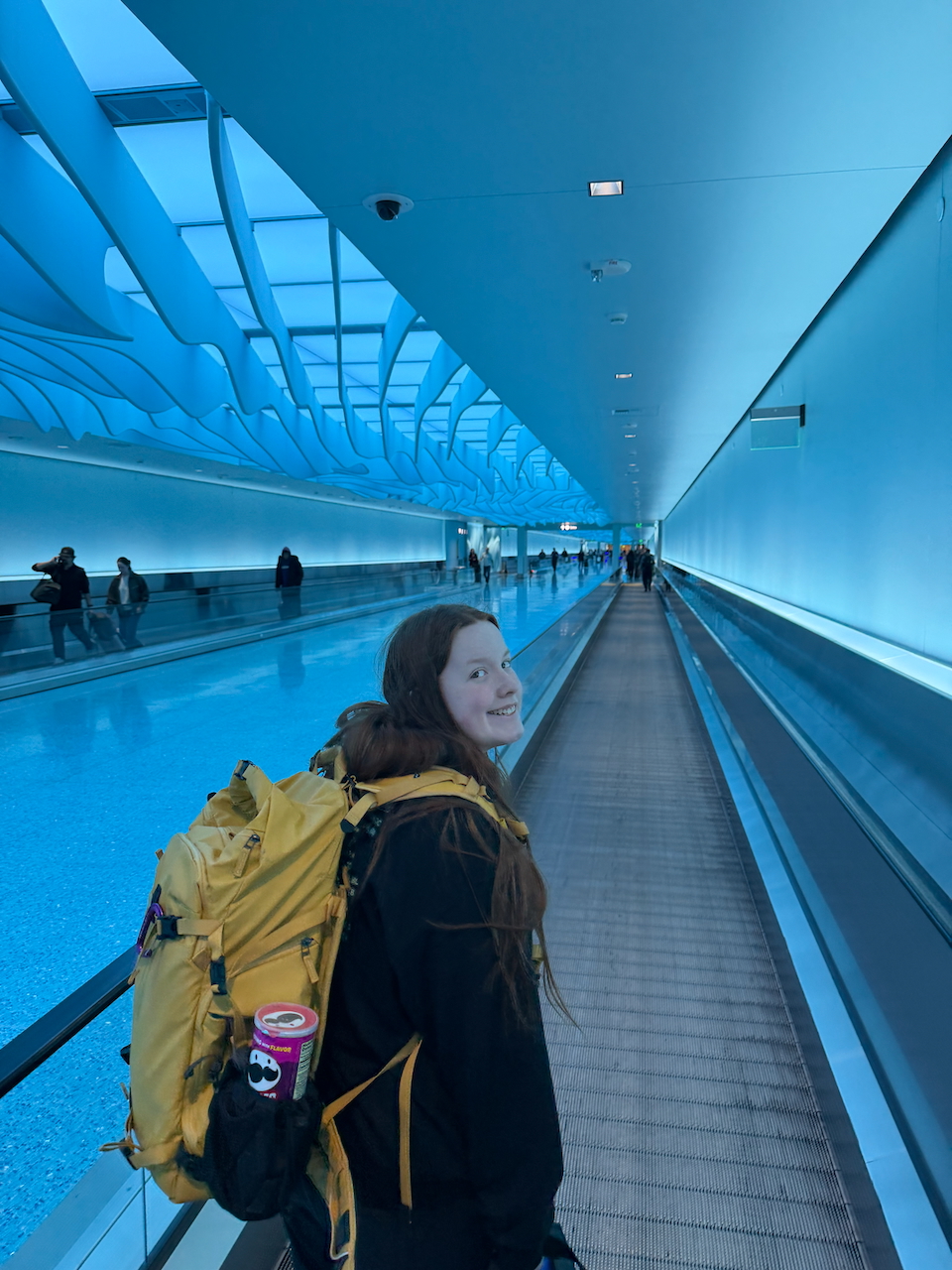
It is a long trip from Boston to Hawaii, and we broke it up on the way there with a short layover in Detroit. It is not ideal, but at least it is not the full 12 hours on a single plane. Plus, Detroit has a number of really nice Delta Sky Clubs, so if we had to stop somewhere, it was not the worst option.
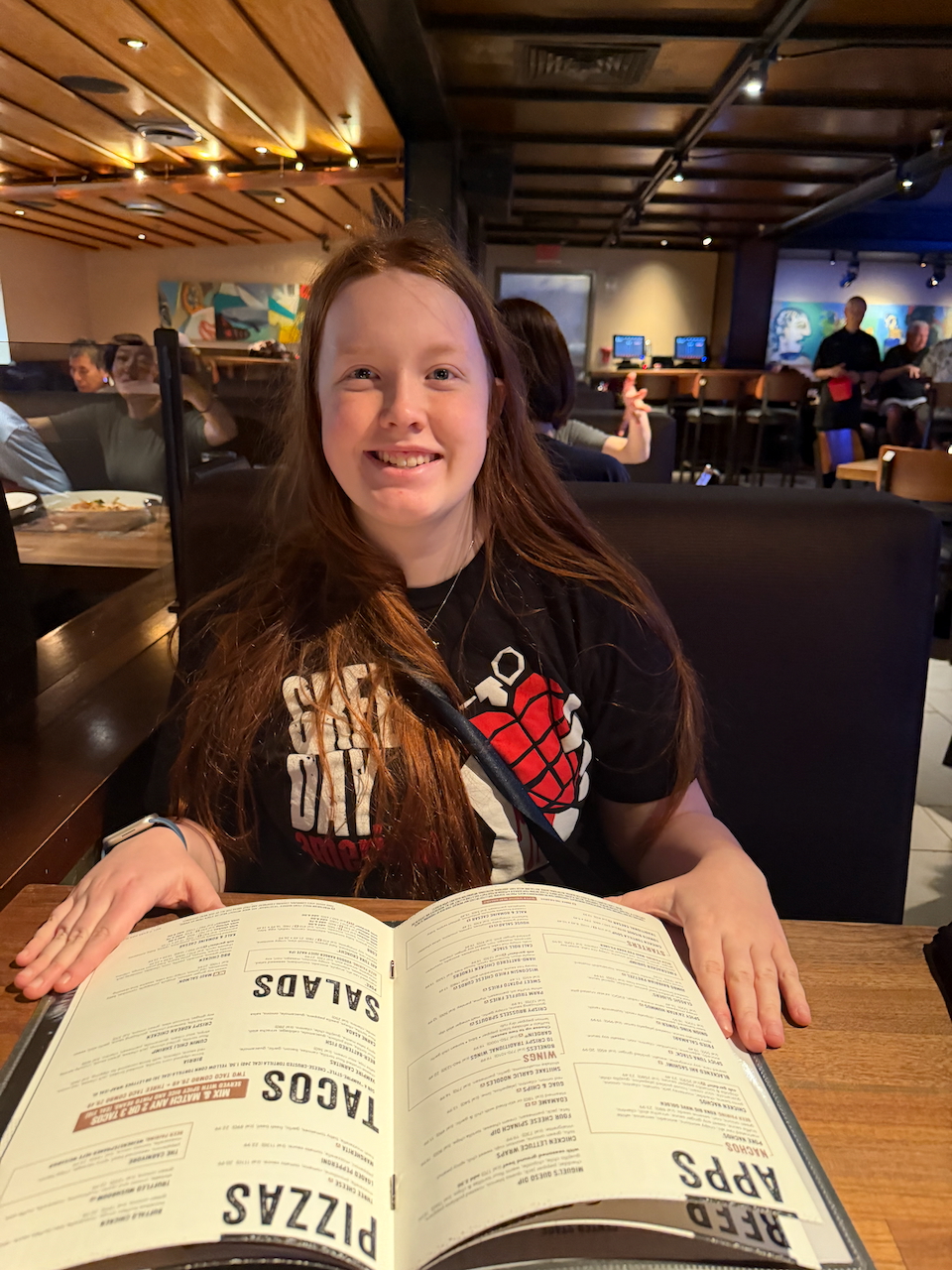
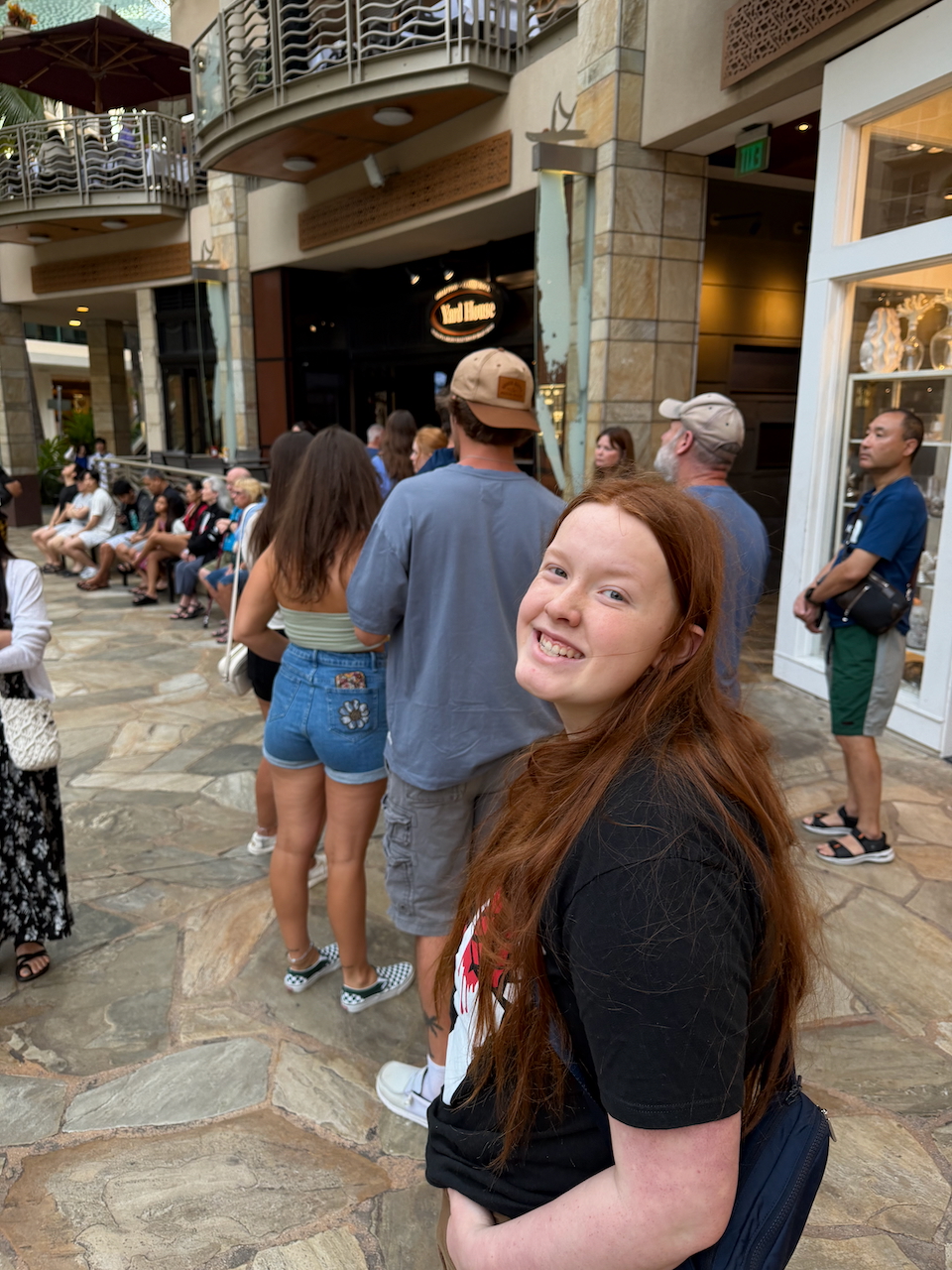
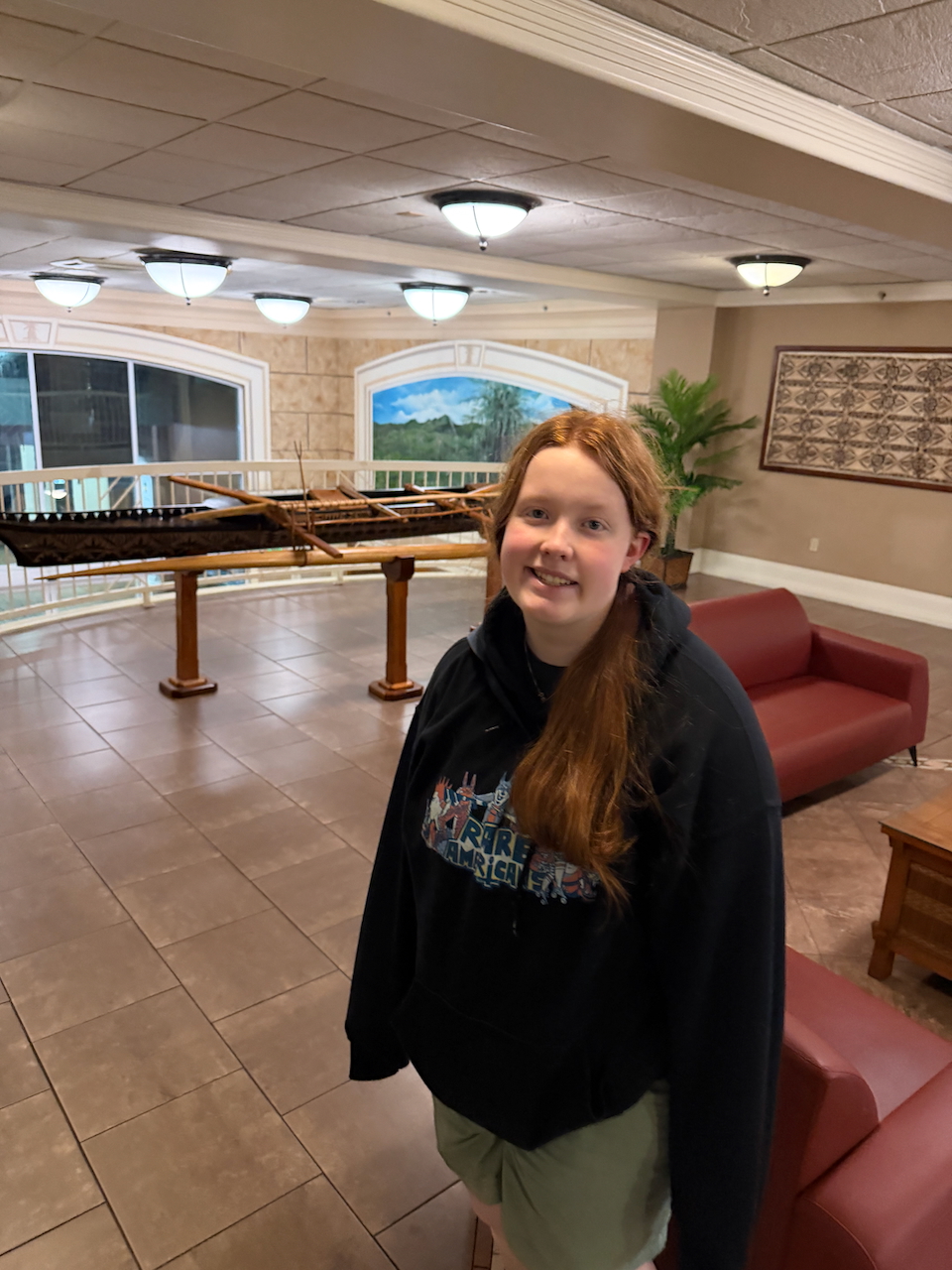
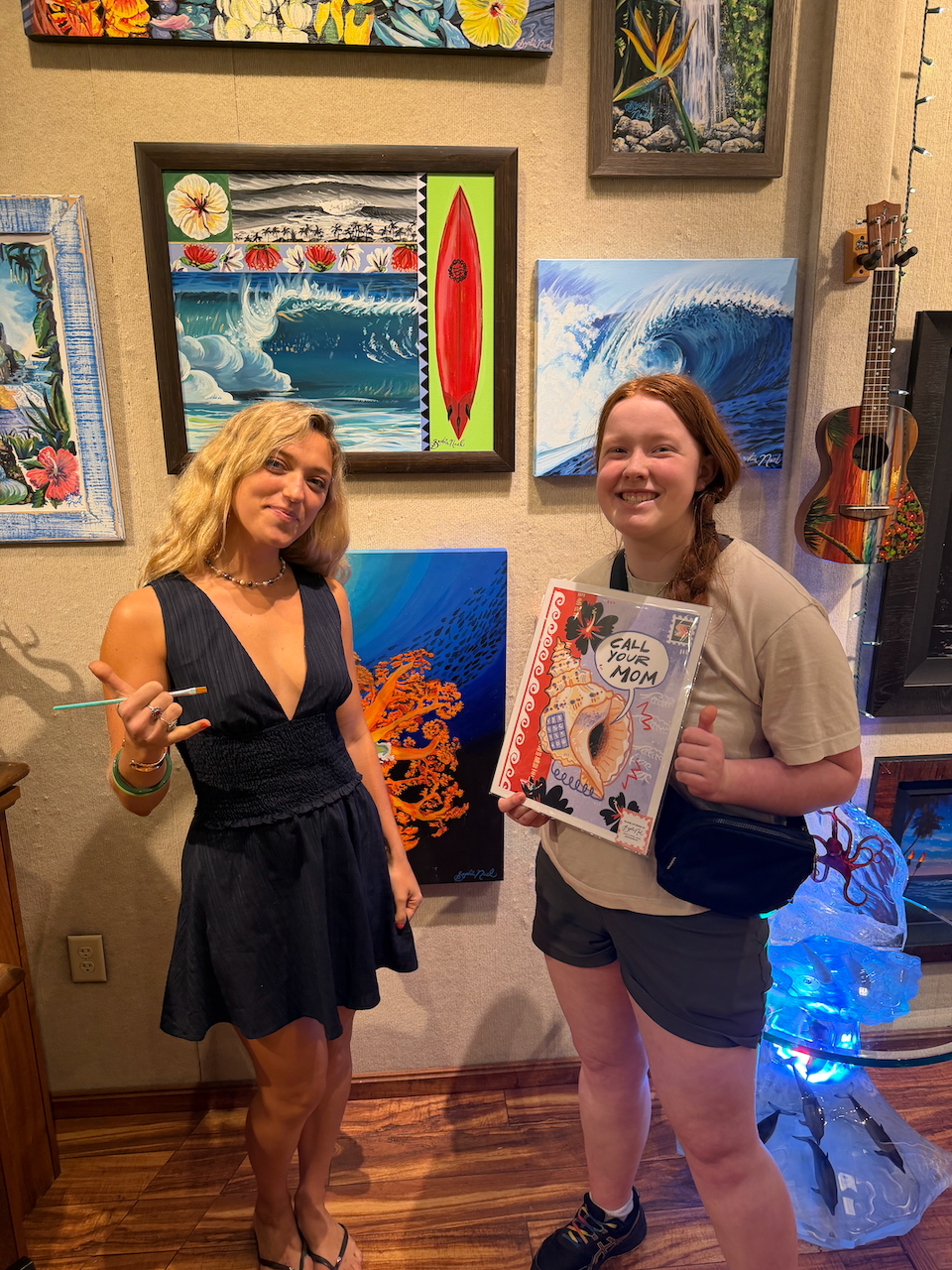
In Hawaii, we stayed in Honolulu at the same Hilton we used the previous summer. It was familiar, and being in Waikiki makes getting food, walking around, and picking up anything we might need very easy. That first night, we went to Yard House for dinner, which has sort of become our standard place to eat on the island. Even though there is almost always a long wait, it works out well. There is an outdoor area with live music, and while we waited, Cami and I wandered through a few of the art galleries nearby.
We had a lovely little meal and went to bed at something close to a normal time, at least by Hawaii standards.
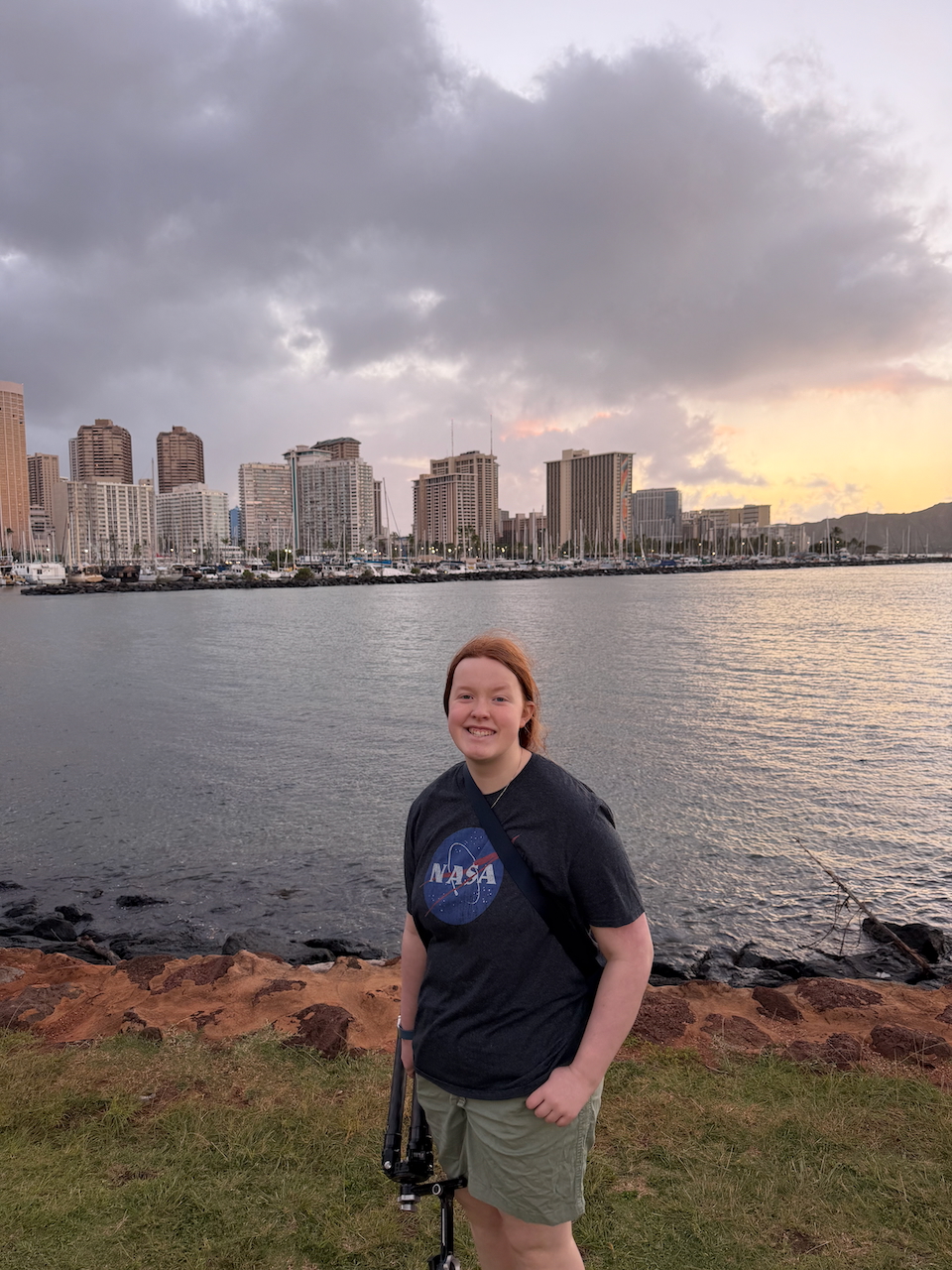
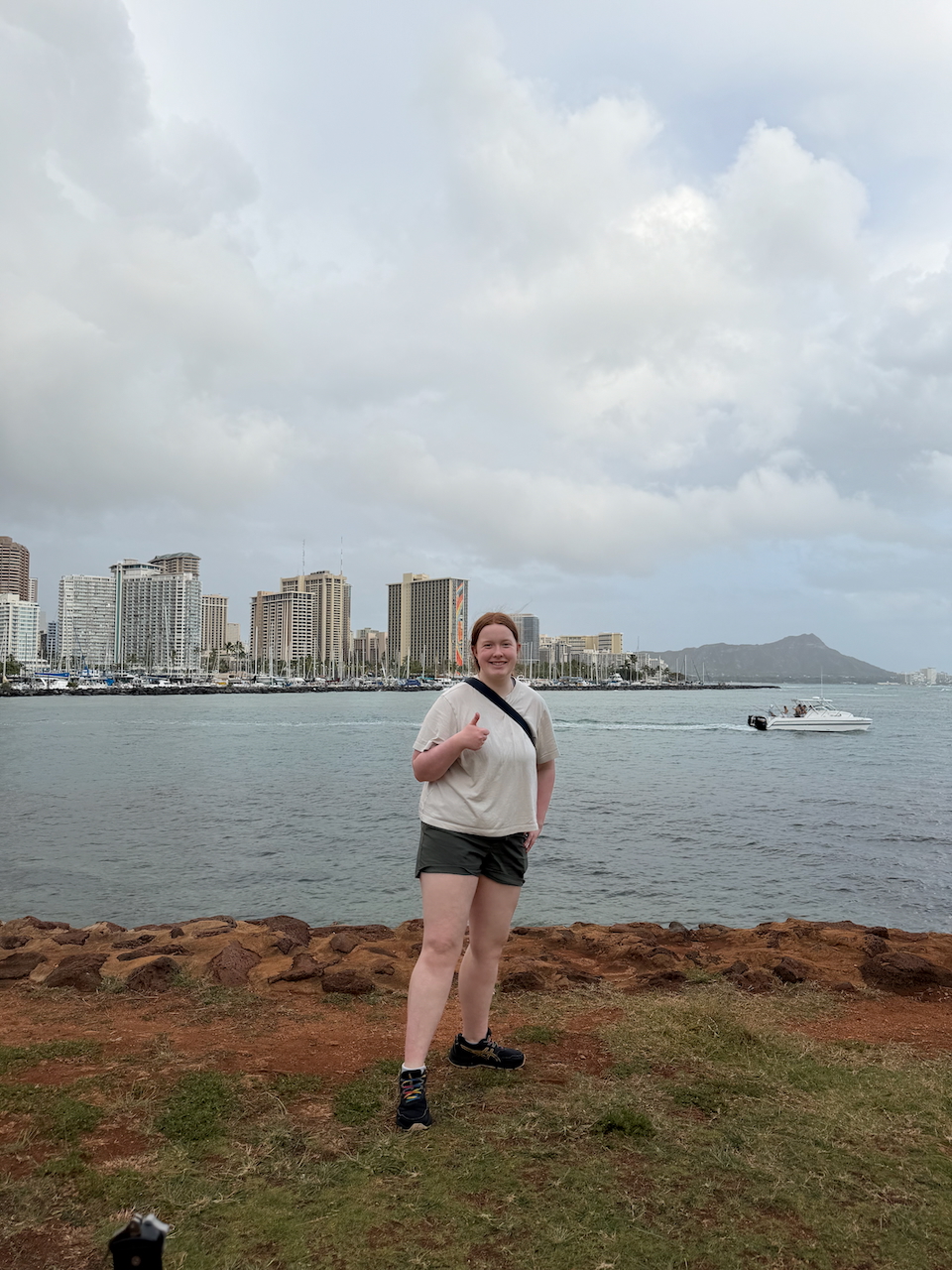
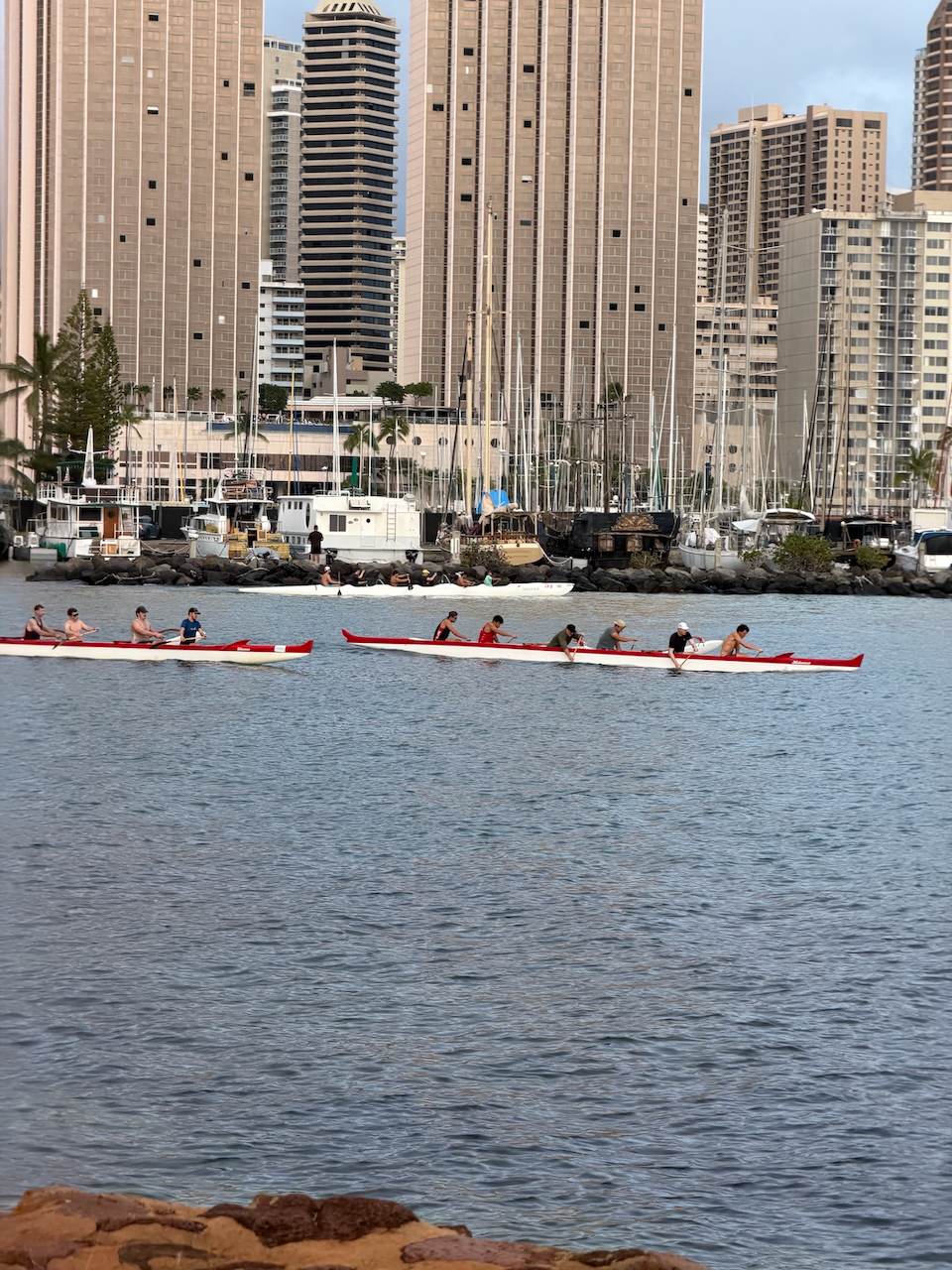
The next morning, we went out for sunrise. I had found a nice park that looked back toward Waikiki, with the boats in the marina in the foreground and the city skyline behind them. I am almost certain it was Magic Island / ʻĀina Moana at Ala Moana Beach Park, which sits right near the Ala Wai Harbor and gives you that classic view back toward Waikiki and Diamond Head.
I was able to put together a nice little set of sunrise photos, though the place was absolutely wild with feral cats. They seemed both very interested in us and completely unafraid of us, which made the whole morning just a little more memorable.
After sunrise, we made our way back to the hotel to clean up, pack, and get to the airport. Today was the long trip down to American Samoa.
There are only a couple of flights a week between Honolulu and Pago Pago, depending on the time of year, so this is not the kind of place where you can just miss a flight and catch the next one a few hours later. We got to the airport early, because HNL is always sort of a mess, and that is doubly true if you are flying Hawaiian Airlines, now part of Alaska. Their check-in counters are almost always packed, and the airport is not labeled especially well. I was eventually able to find the right area, get us checked in, and we made our way to the gate early.
There was one restaurant where we could get lunch, and that was when I started to get a sense of how different this trip was going to be. We met a few other people on our flight who were engineers heading down to work at the hospital. They gave me some invaluable advice about getting a rental car, what to expect at the airport, and a few other things that ended up being very helpful later that night.
When we made our way over to the gate, it became clear that most of the plane was made up of locals traveling back from Hawaii. Some had gone for shopping, and I later learned many had gone for health care. We were two of maybe five people who were heading there for “vacation,” and the other three were also going for the national park.
During the flight, I learned from one of the flight attendants that many people make this flight a few times a month for medical treatments in Hawaii. Others fly to Hawaii for shopping because there are so many things that are either not available in American Samoa or are far too expensive locally. It is a little wild to think that it can be cheaper, or at least more practical, to fly six or seven hours to Hawaii than to simply order something and have it shipped.
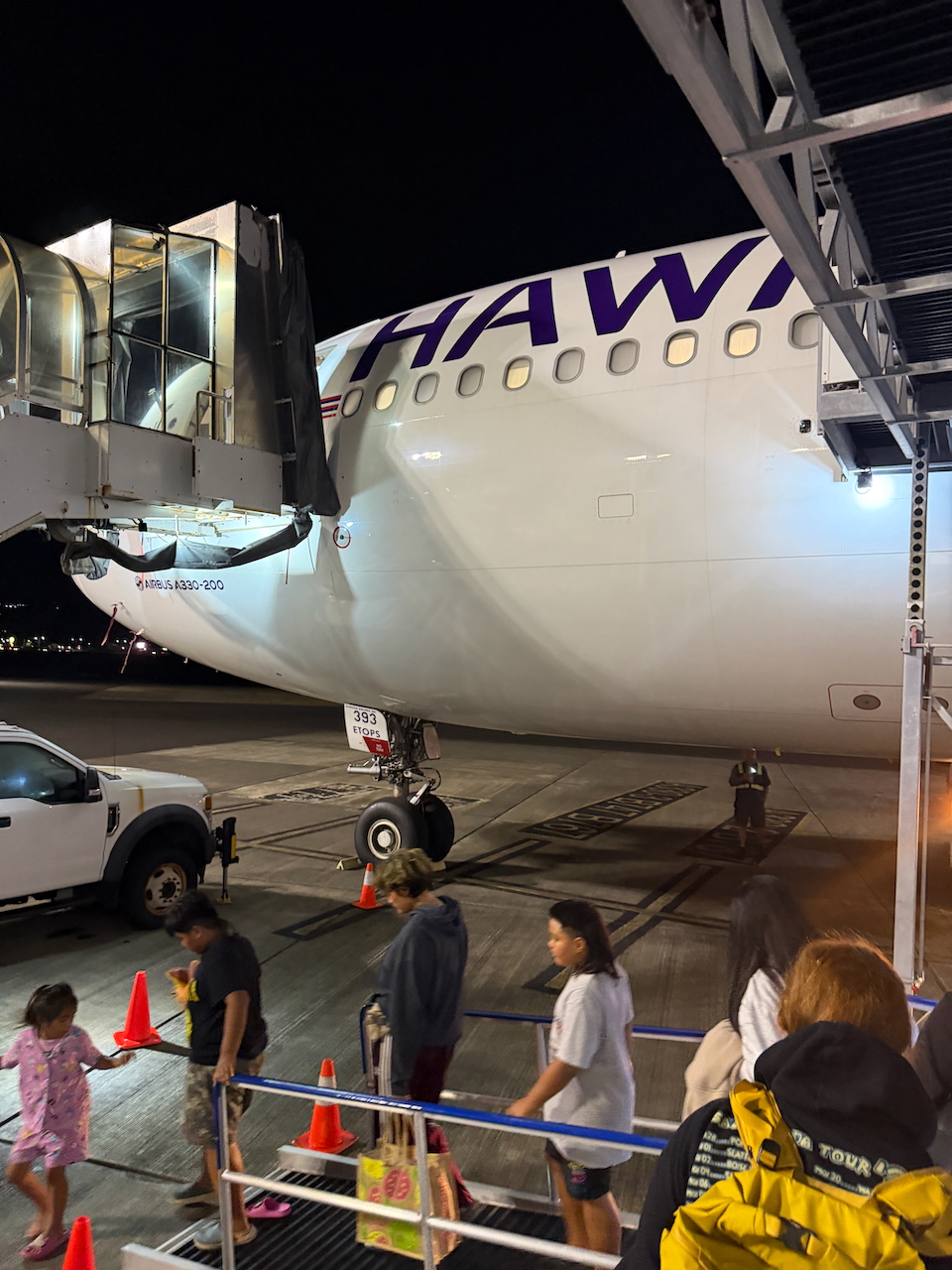
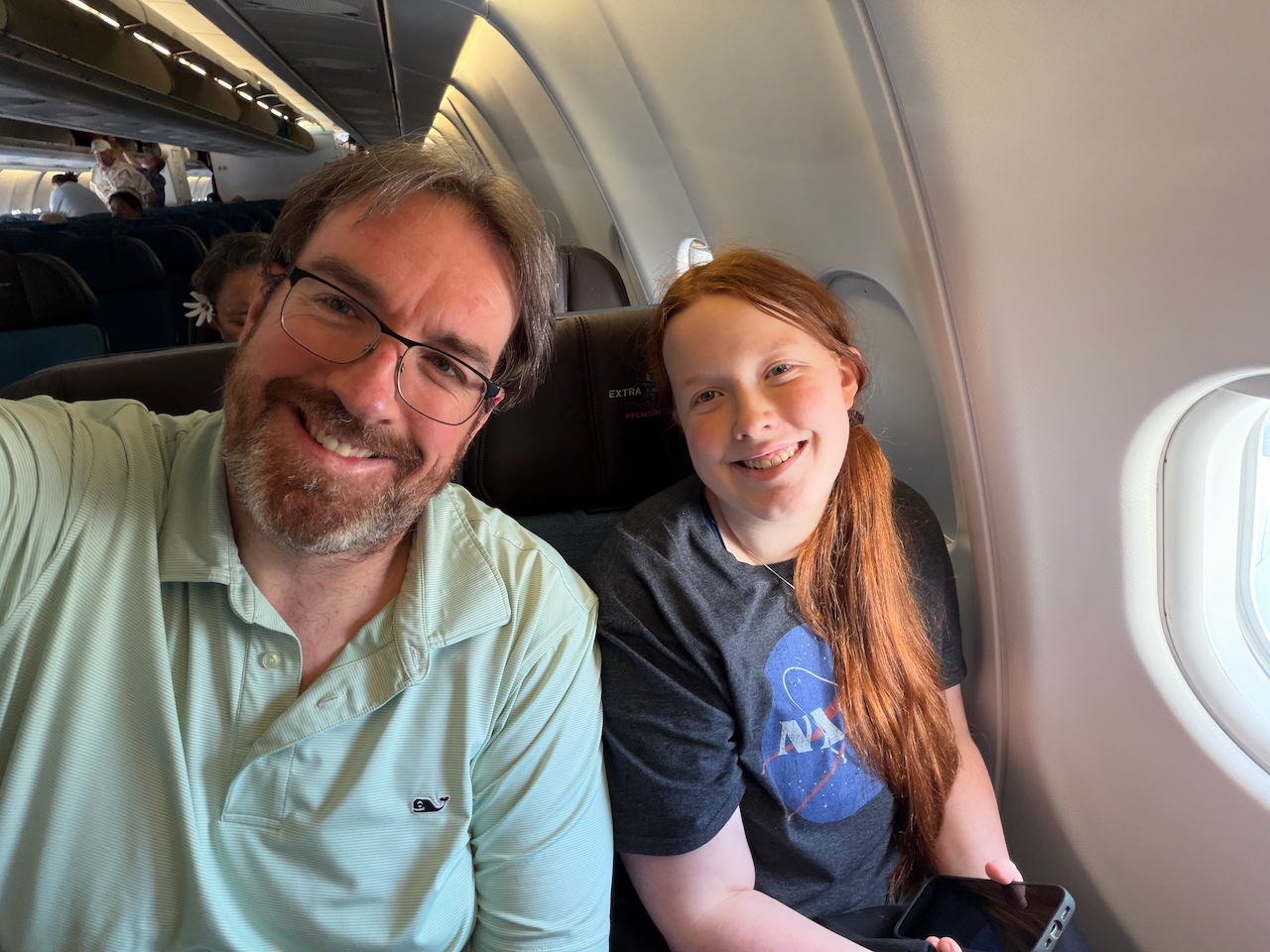
The flight itself was mostly uneventful. The best part about Hawaiian Airlines is that they have free Starlink Wi-Fi on their long-haul flights, and it really does make a difference. It is also a little wild to be texting, working, or browsing the internet while flying over the middle of the Pacific.
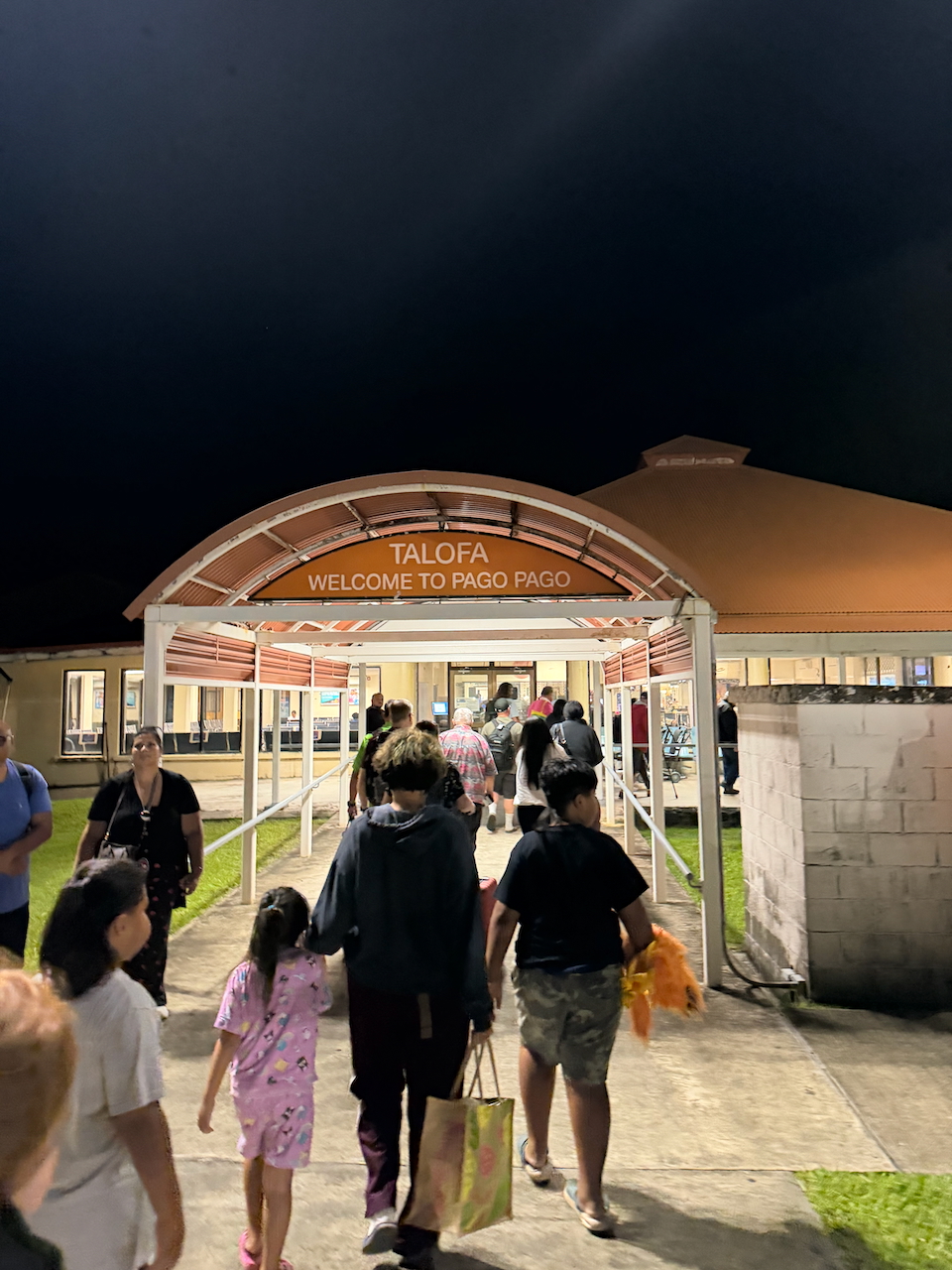
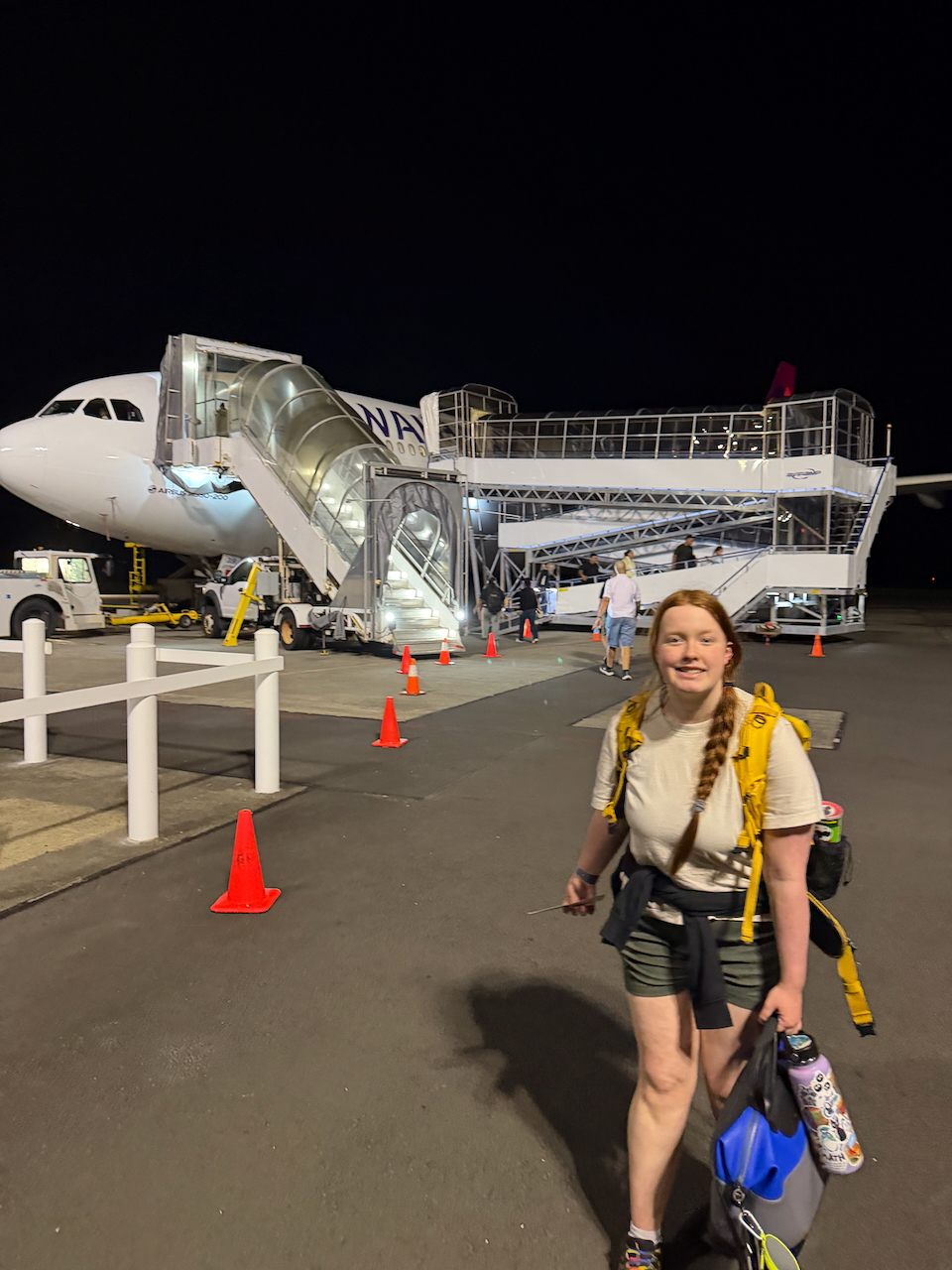
The airport in American Samoa is a trip. It is clearly set up for smaller planes, and this flight is the only large jetliner that comes into the airport. You park on a hard stand outside, get off the plane, and walk down the stairs. It is very cool seeing a massive Airbus A330 that close from the outside.
Once you deplane, you collect your bags, and that is where we saw what the flight attendant had been talking about. Maybe 80% of the “bags” coming off the plane were massive Home Depot plastic bins. I assume this is how locals bring almost everything home from Hawaii.
After we collected our bags, we made our way through customs and got outside. This is where the advice from the engineers earlier in the day came in. First, you walk out and it is hot. Then you see hundreds of people waiting to greet their loved ones. There are no signs for rental cars. Nothing obvious. After walking down the parking lot a bit, I found three Avis employees with pickup trucks who were happy to drive us over to the rental counter.
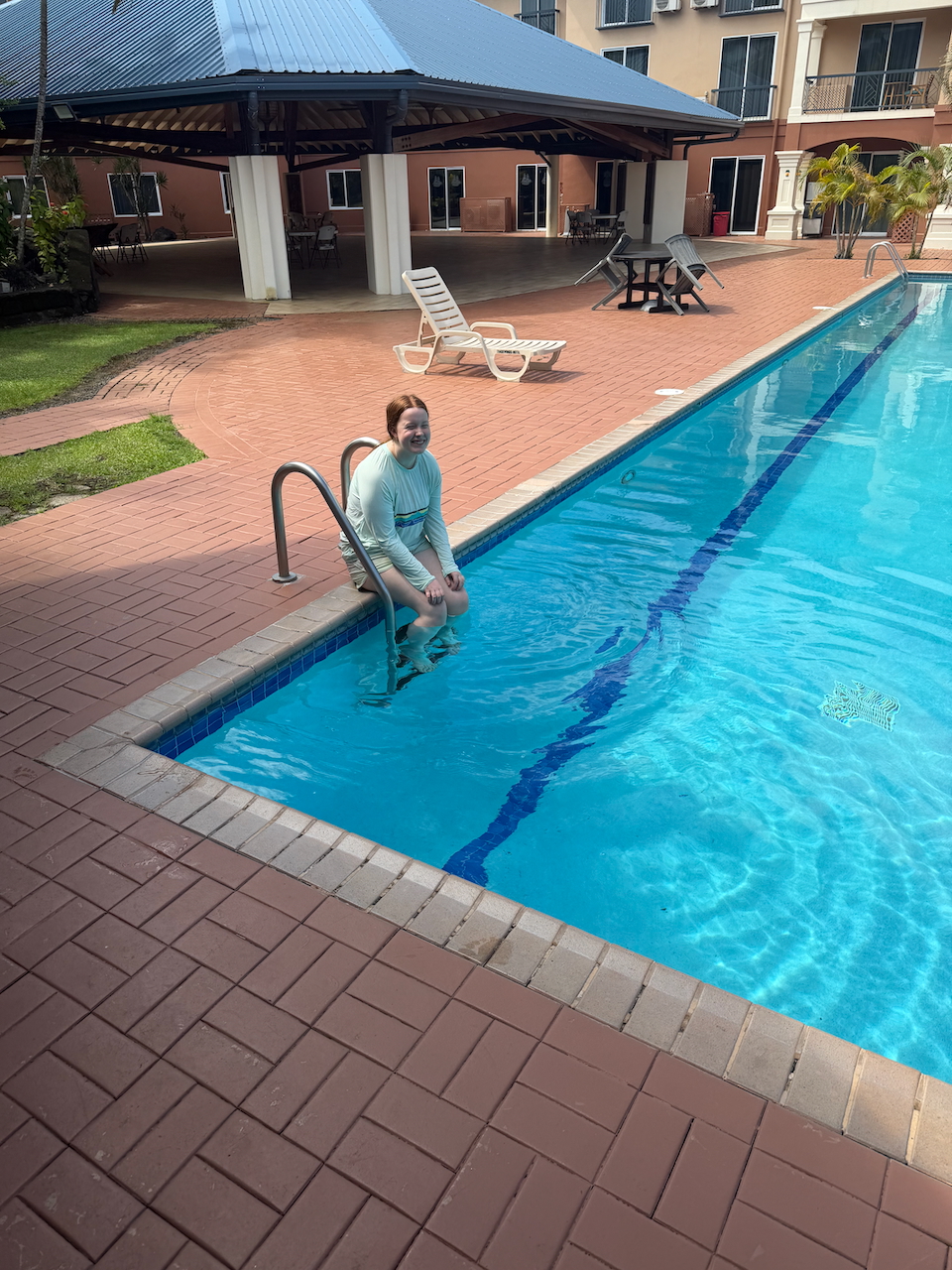
We got our car and made our way to the Trade Winds Hotel. This is really the only true hotel on the island. There are a handful of motels, but from what everyone told me, they should probably be avoided. Our room was nice enough, and the hotel has an onsite pool and restaurant. I would relate it to a middle-of-the-road Best Western: perfectly fine, not fancy, but good enough when you are this far from home.
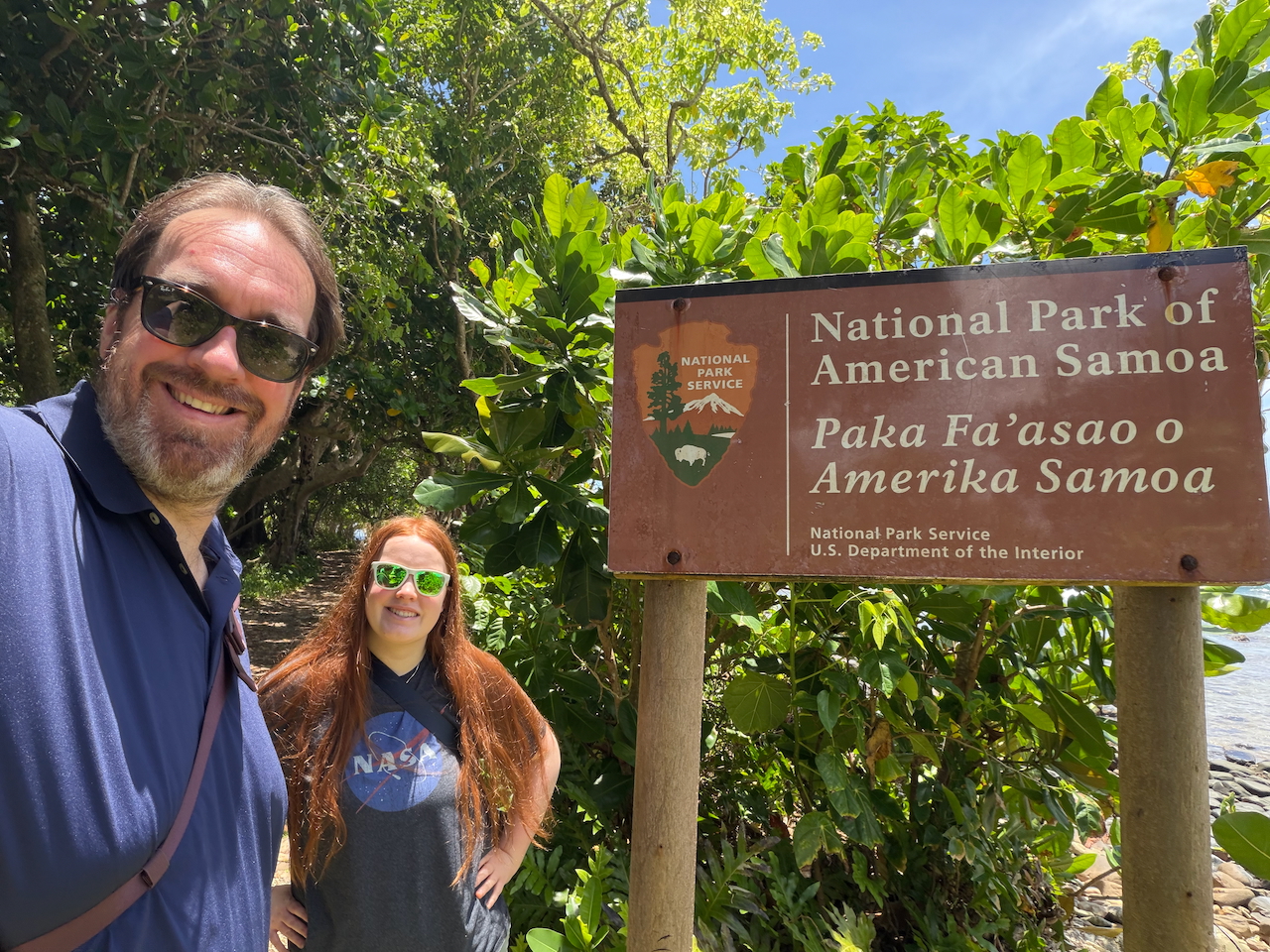
American Samoa is one of those places that is technically part of the United States, but it feels very far removed from the rest of the country. It is about 2,600 miles southwest of Hawaii, on the other side of the equator, and it has a completely different rhythm from any other national park trip we have taken. It is not polished. It is not easy. It is not built around tourism. You are not going there for resorts, big visitor centers, or perfectly marked overlooks. You are going because it is remote, beautiful, culturally unique, and unlike any other place in the National Park System.
The National Park of American Samoa is also different in a more fundamental way. Unlike most national parks, the land is not simply owned by the federal government. The park exists through leases and agreements with local villages and the American Samoa Government, which means the park is deeply tied to the Samoan communal land system and the culture of the islands. That also explains why visiting it feels different. You are not just driving through federal land with a few overlooks and trailheads. You are moving through villages, private land, coastal roads, rainforests, beaches, and small park sections that are woven into everyday life.
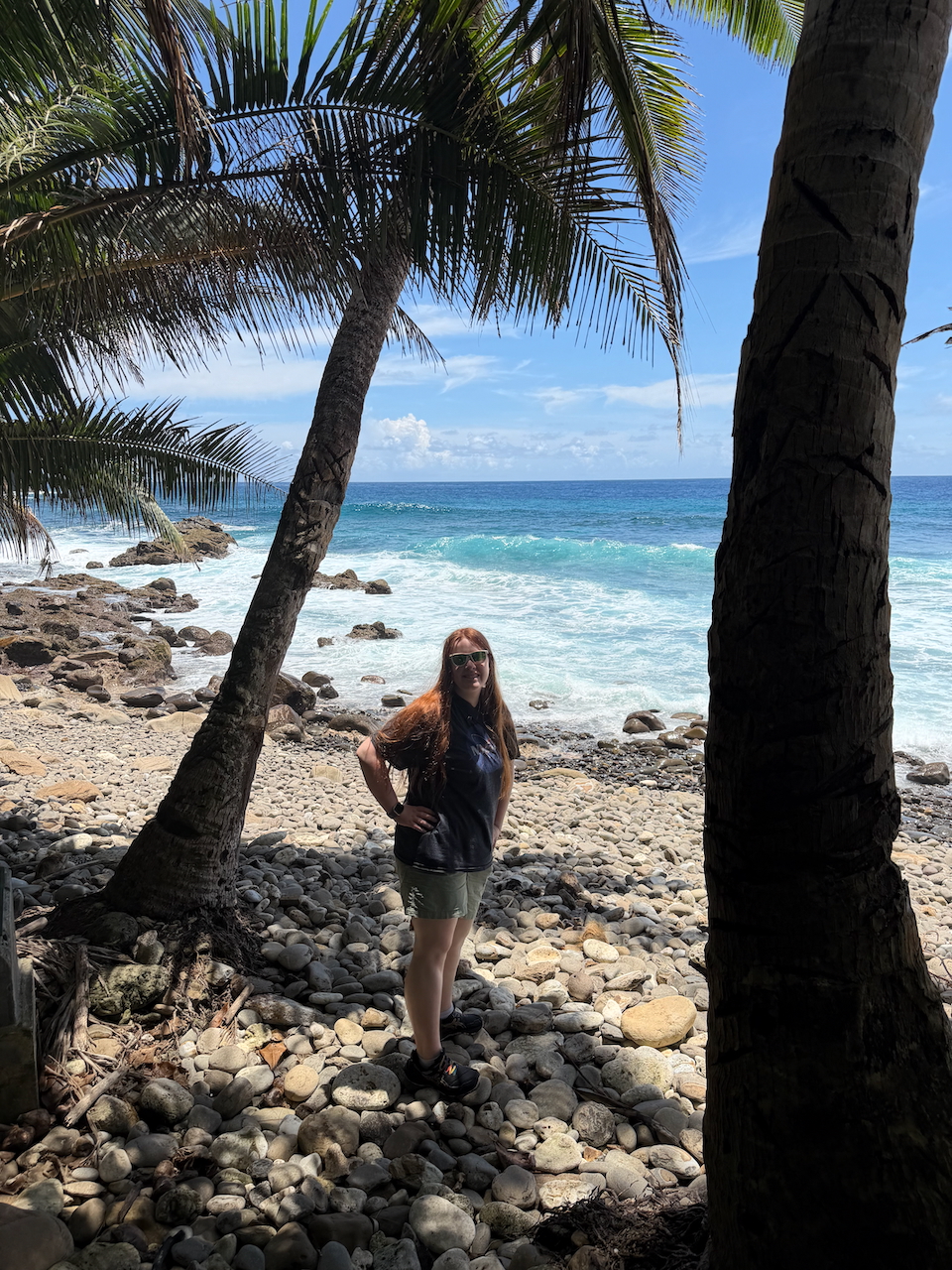
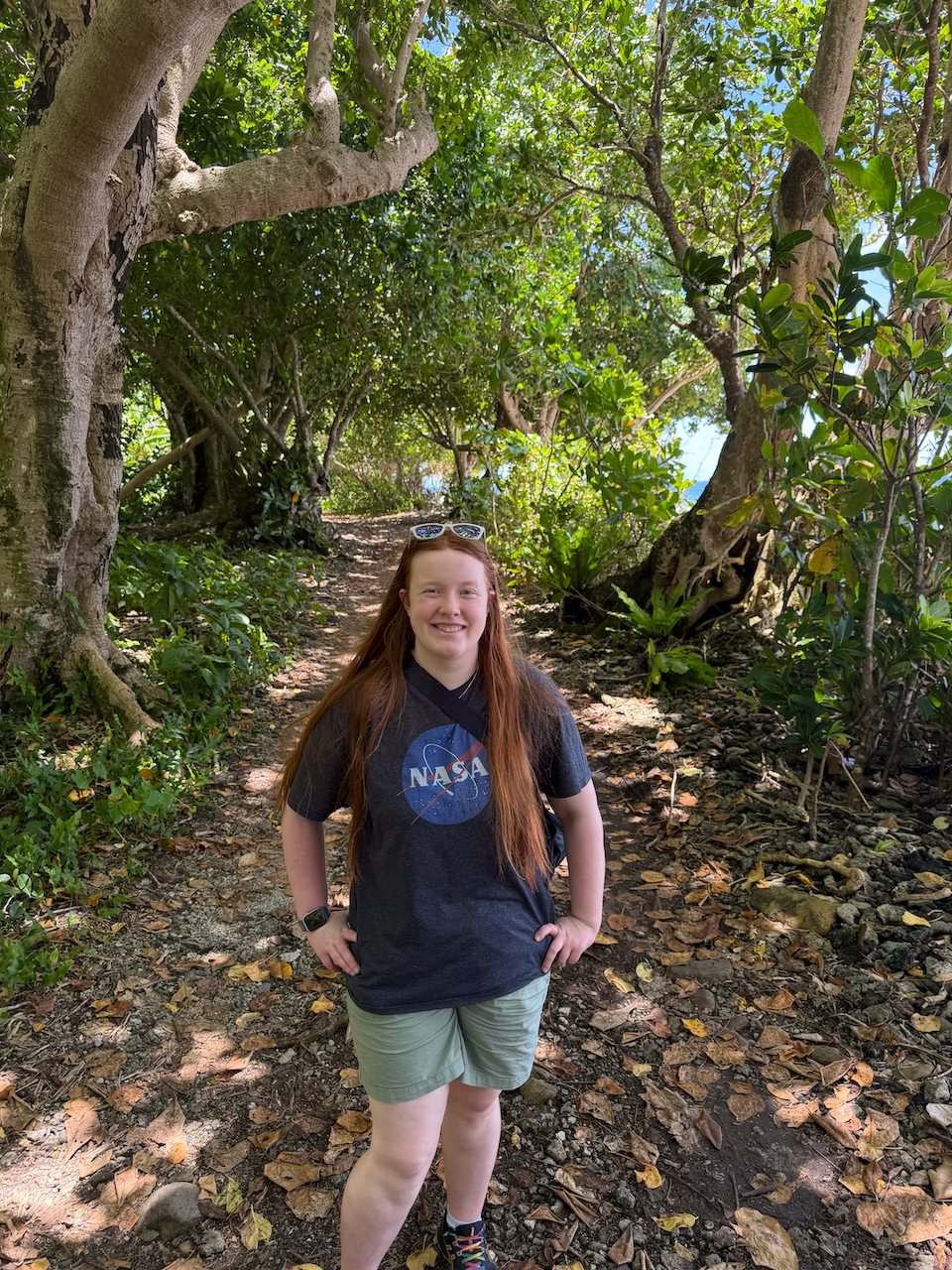
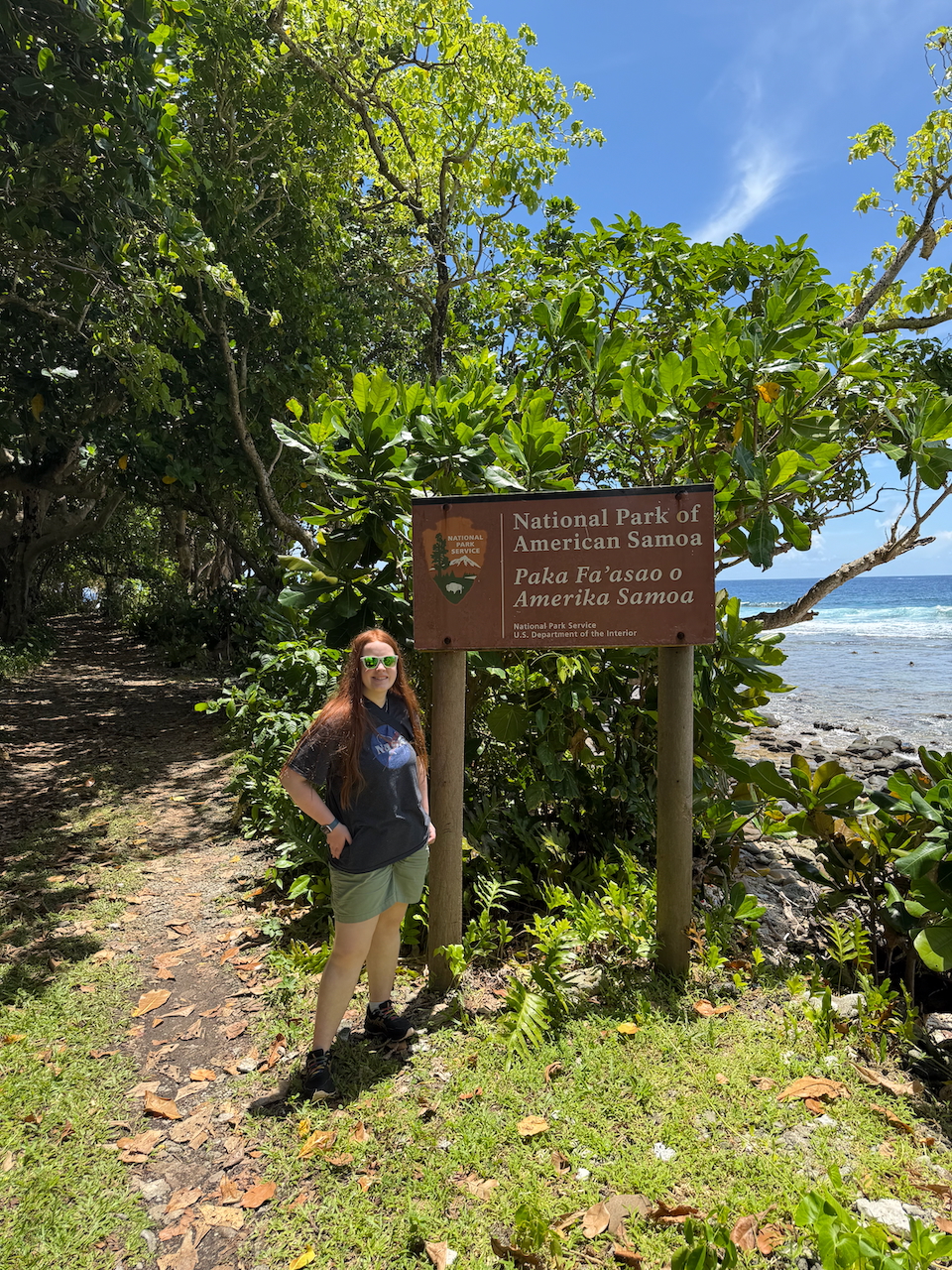
The park itself is spread across multiple islands: Tutuila, Ofu, and Taʻū. Most visitors, including us, spend their time on Tutuila because that is where the main airport, Pago Pago, the visitor center, and the easiest-to-reach sections of the park are located. The more remote islands are supposed to be stunning, especially Ofu, but getting there takes more planning, more time, and more luck than we had on this trip.
The landscape is beautiful in a very raw way. Steep volcanic mountains drop straight down toward the ocean. Tropical rainforest covers the hillsides. Villages sit along the narrow coastal roads. The park protects rainforest, coastline, and coral reef, but it also protects something harder to describe: the connection between the land, the ocean, and the Samoan way of life. For me, that was the most interesting part of being there. It did not feel like a park placed on top of a community. It felt like the park was trying to preserve something that was already there.
After checking in, we went out to find a very late dinner. The next day, we started to explore the island.
The “park” is scattered in little pieces here and there, but the visitor center is in Pago Pago, right in the center of town, so we thought we would start there. Driving in American Samoa is rough. The speed limit tops out around 30 mph, but on many roads, 15 to 20 mph is more realistic. There are a worrying number of wild dogs and cats, so you always have to be ready to stop. To make it more fun, the roads are not in the best condition either.
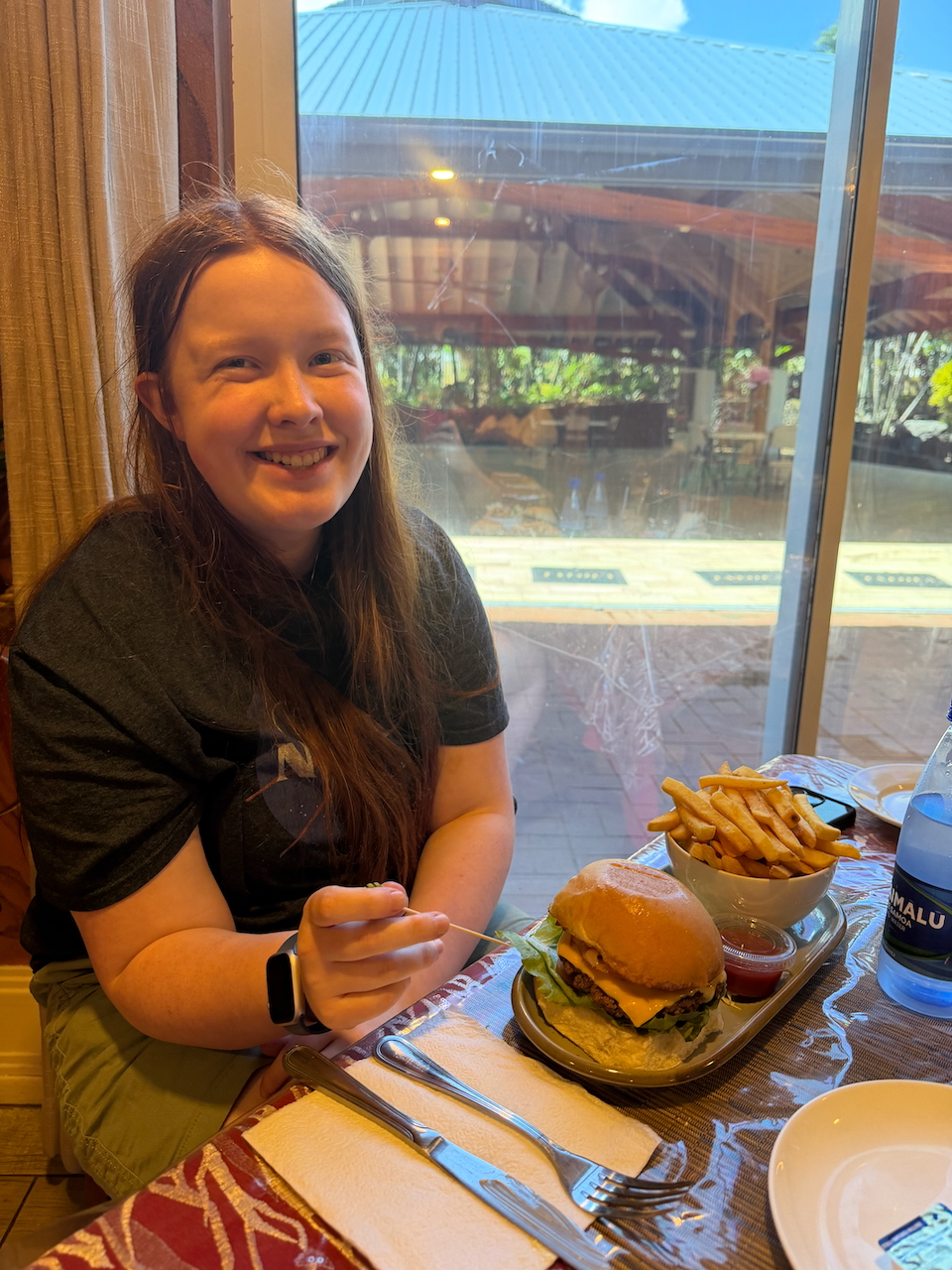
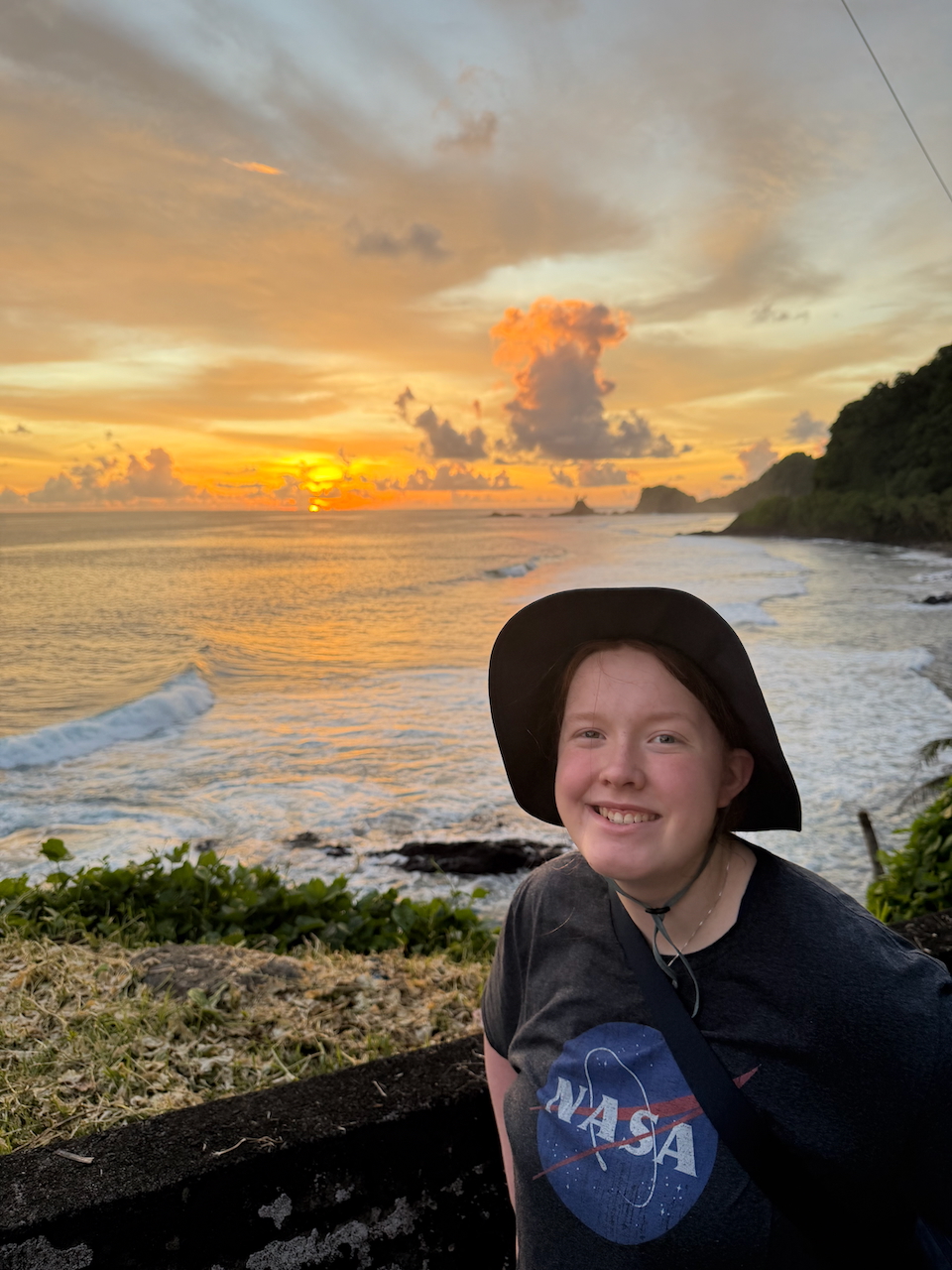
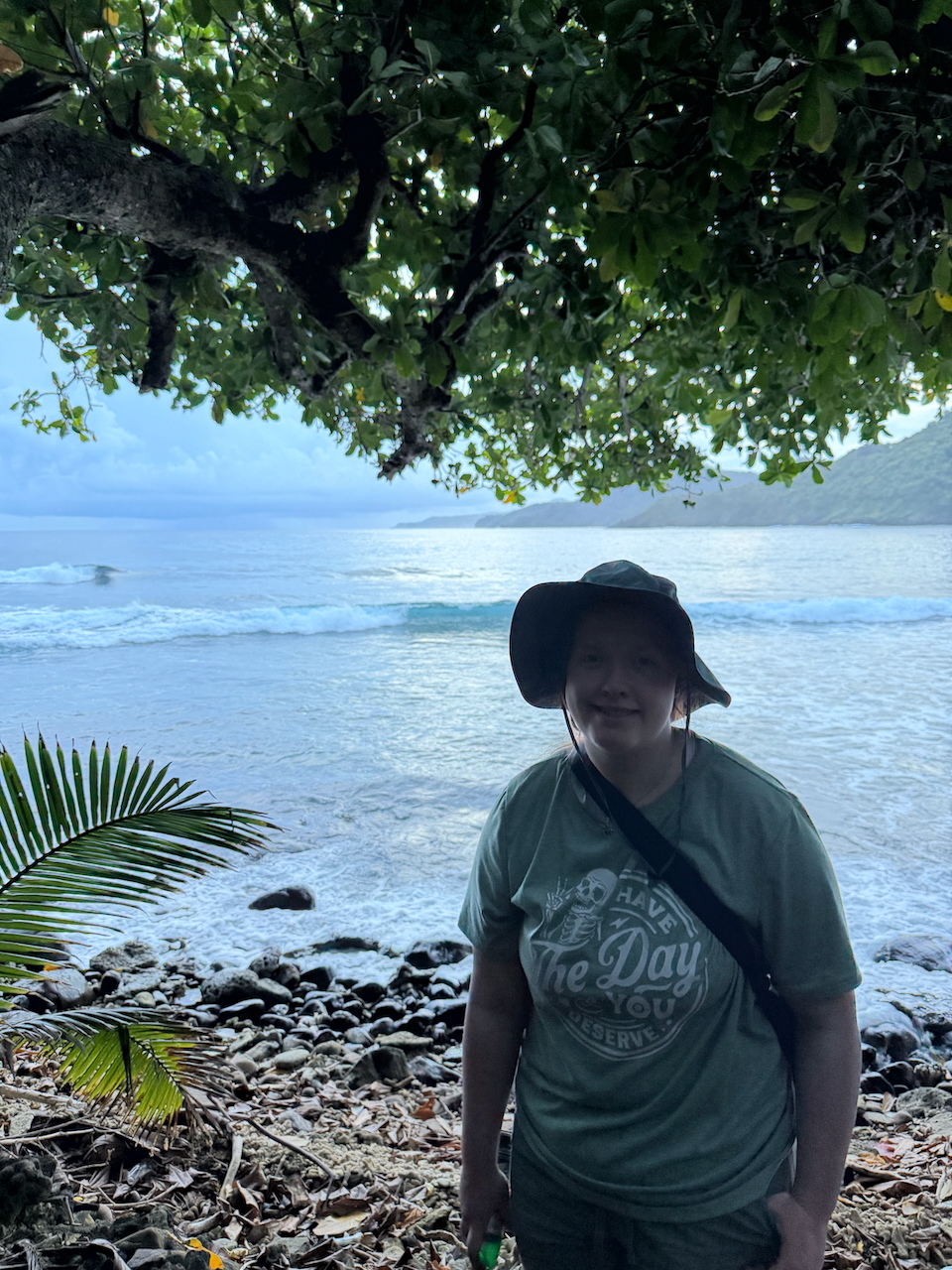
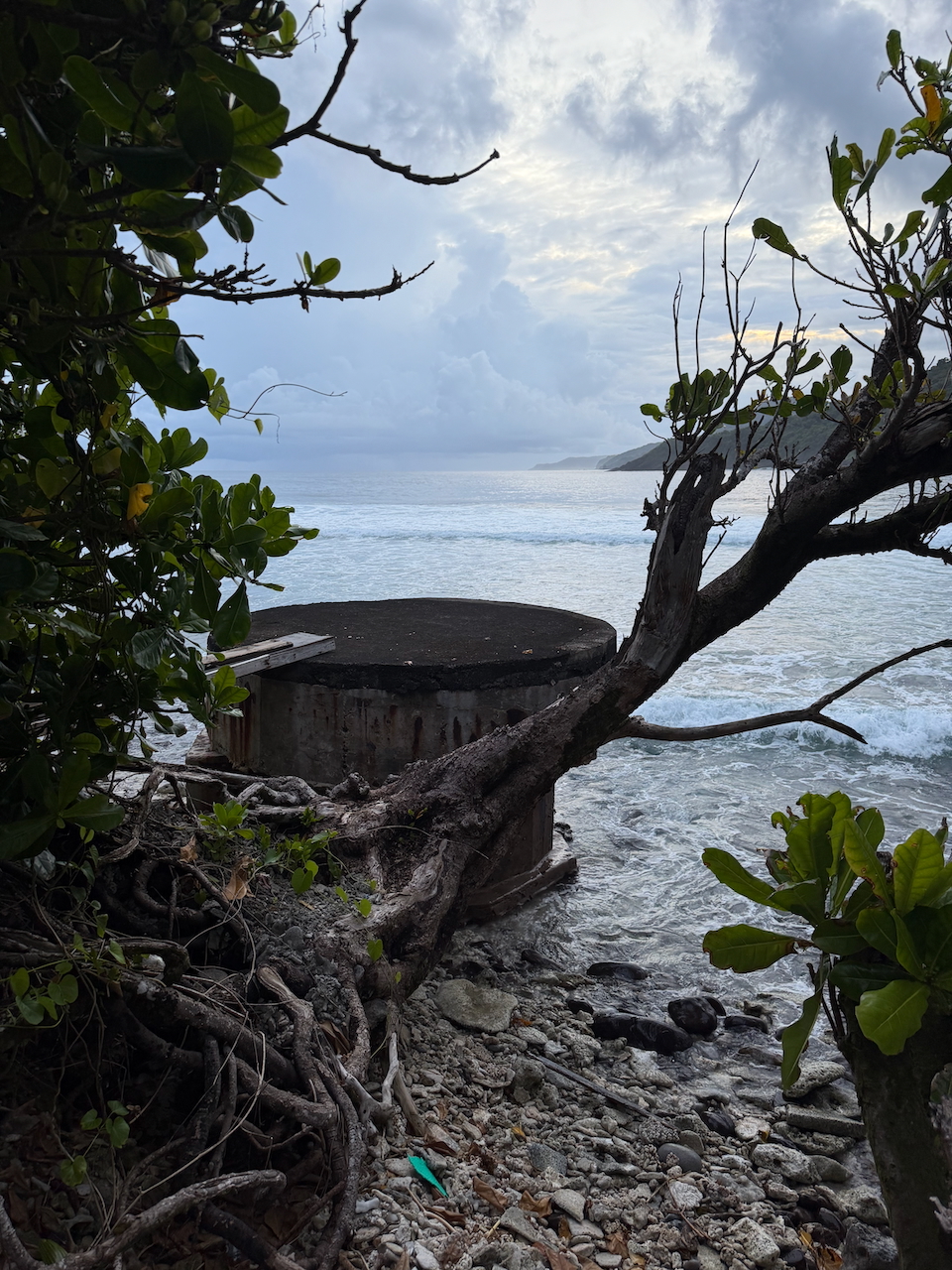
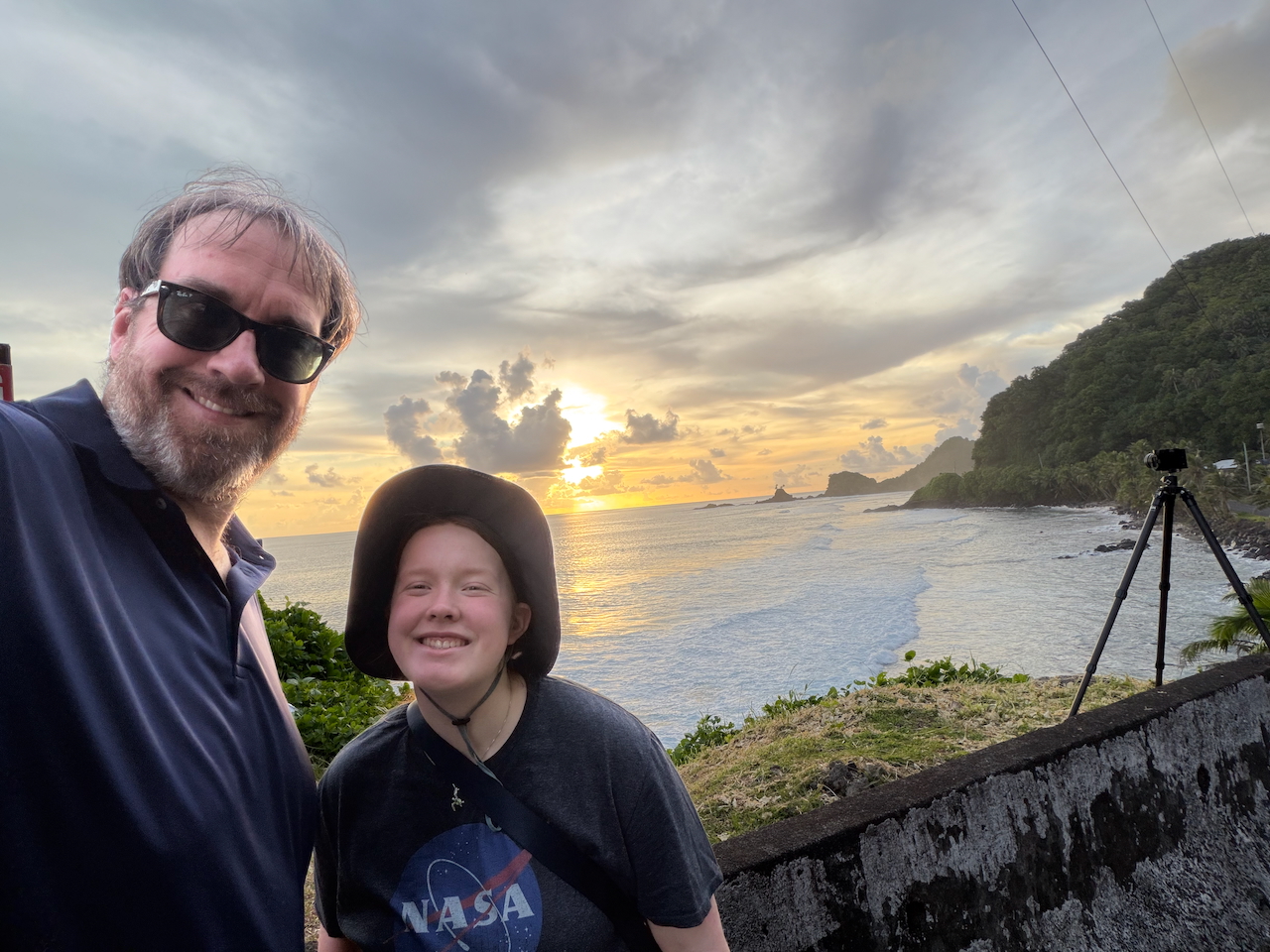
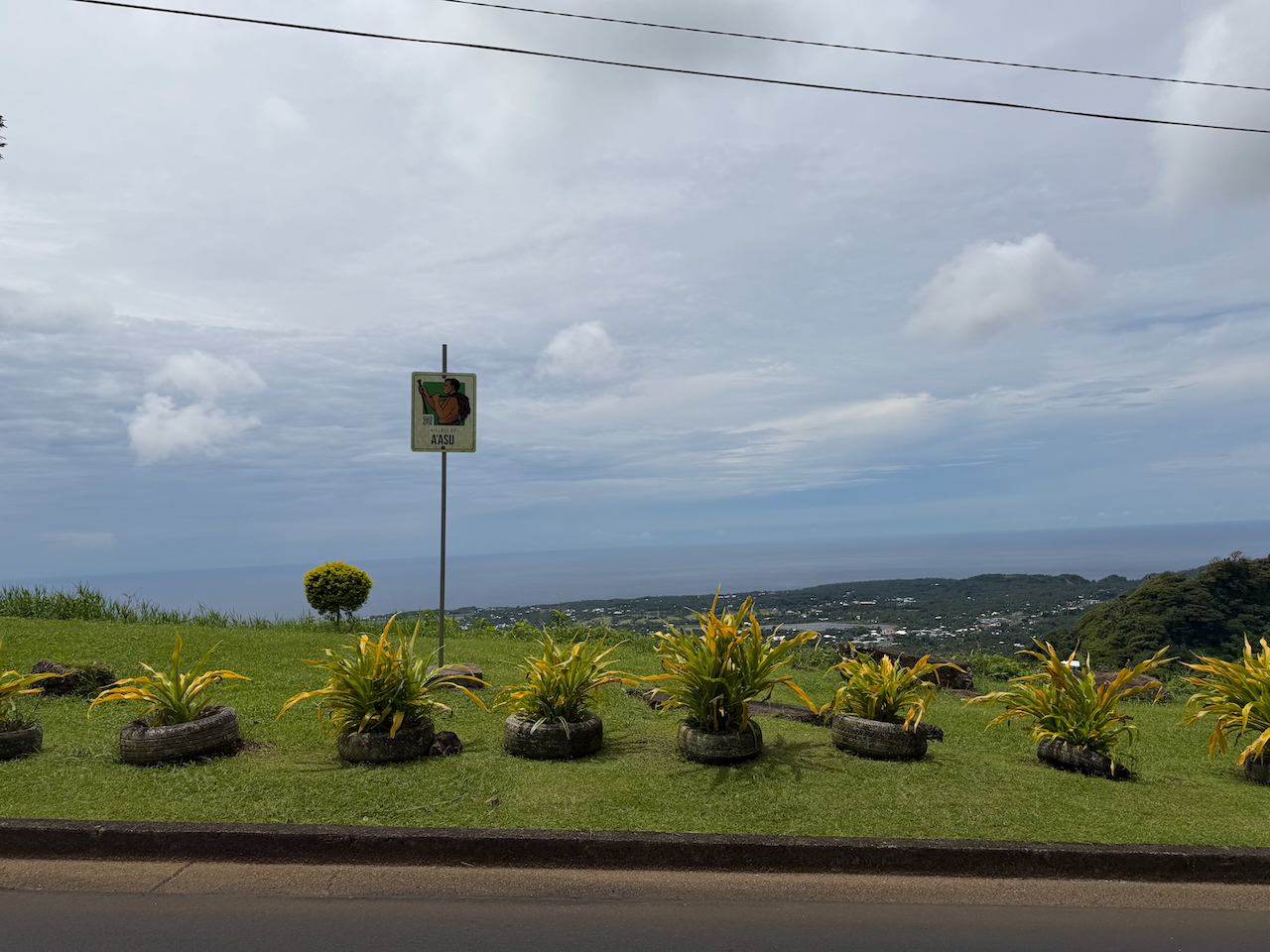
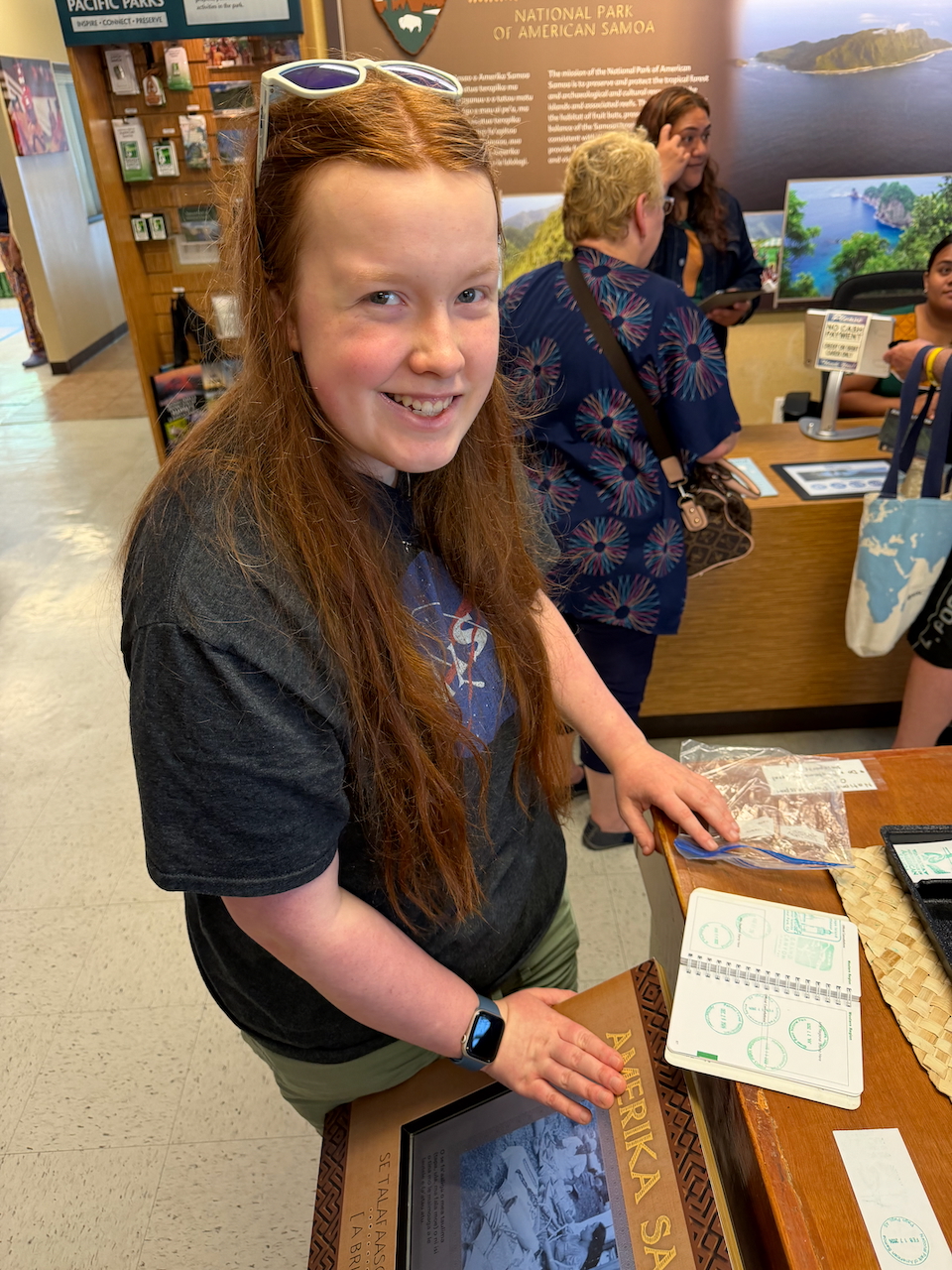
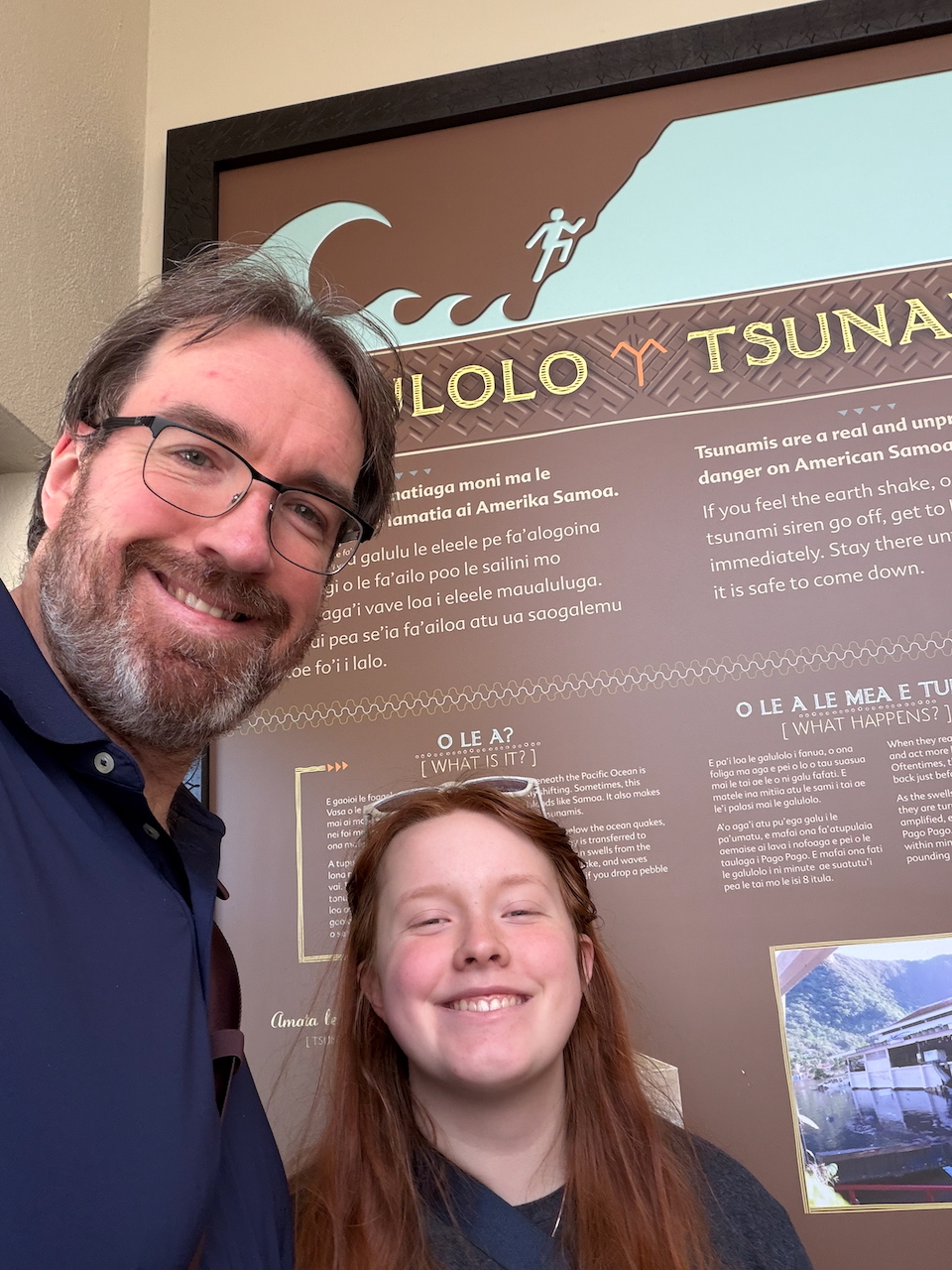
We did, however, have a good time at the park visitor center and got a ton of useful information. We also got Cami’s national park passport stamped and picked up our pins and patches from the gift shop.
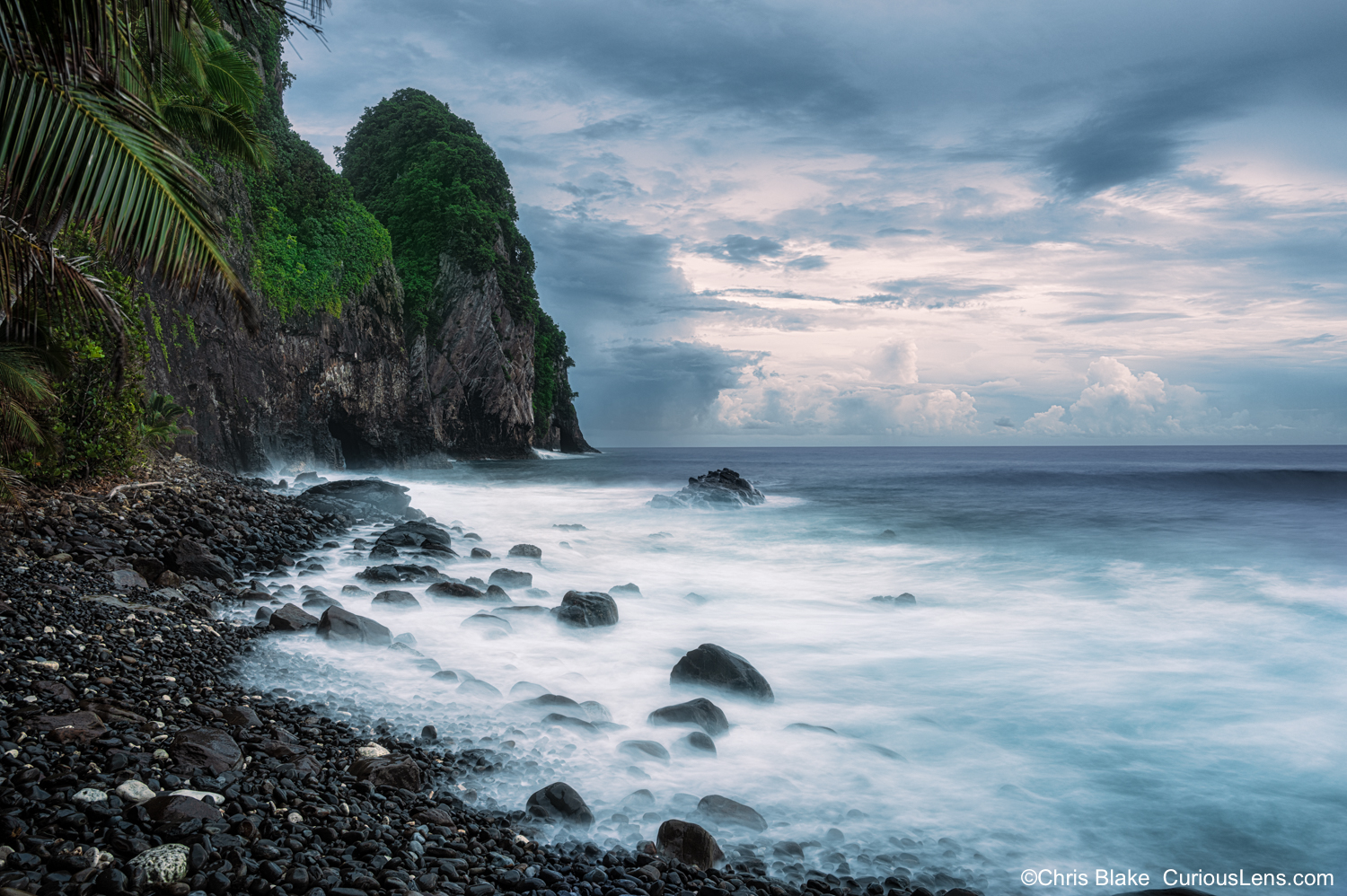
We spent the next two days exploring what we could of the park and the island. The Pola Island Beach area was probably our favorite place. It is a very long drive, and you have to go up and over the mountain, but the views are absolutely worth it. You park near a school and hike into the park area to reach a beautiful beach with the cliffs and Pola Island rising offshore.
I should point out that if you do this at dawn, you also have to avoid stepping on the hundreds of frogs and crabs that seem to love the trail in the dark. That was not exactly in the brochure.
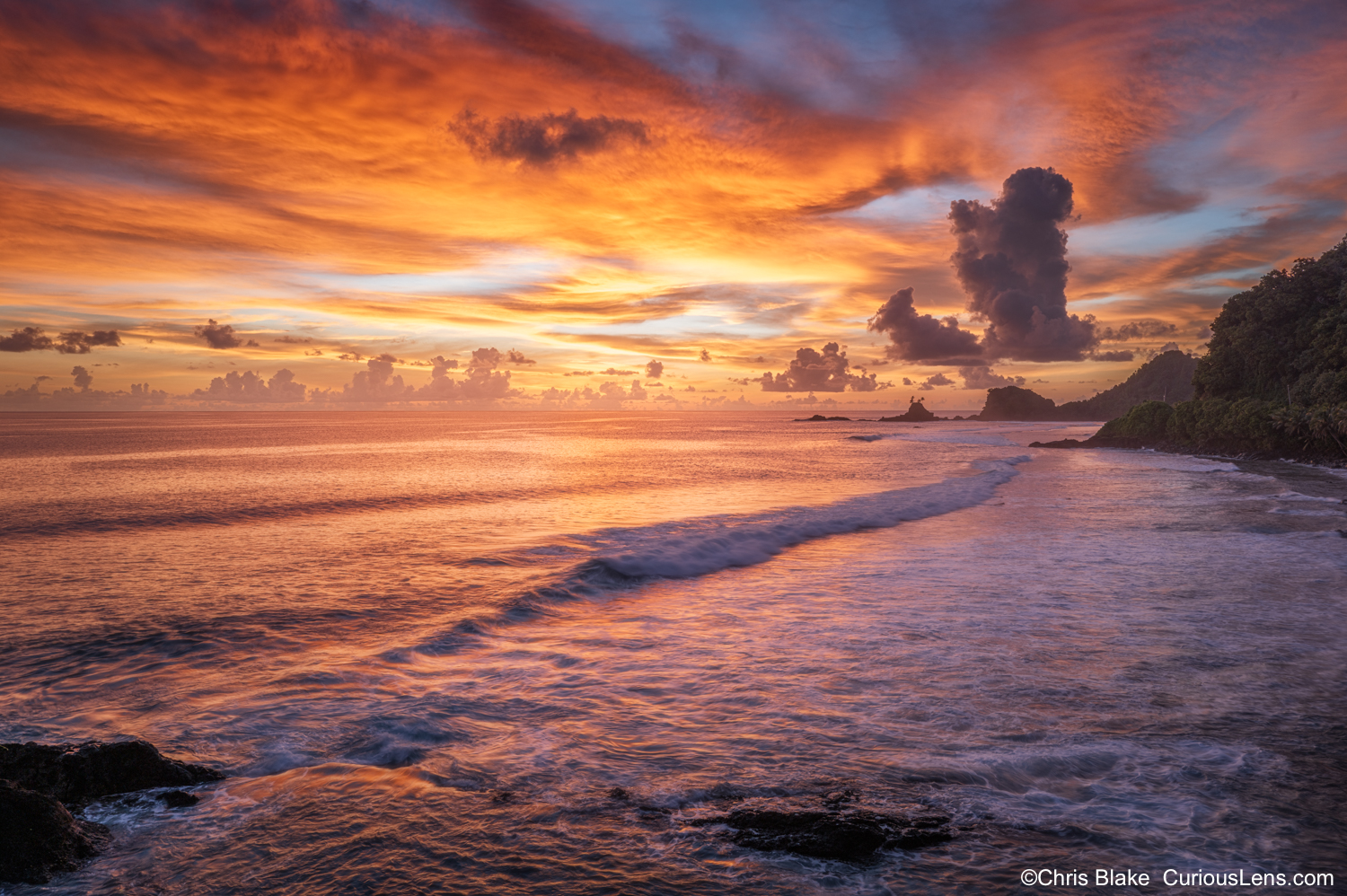
We explored as much of the island as we could, including some World War II artifacts and coastal viewpoints. We also found a wonderful area near the south side of the island to photograph sunset both nights in a row. There are seemingly endless turnoffs and viewpoints that are stunning, and because there are so few visitors, you often have them almost entirely to yourself.
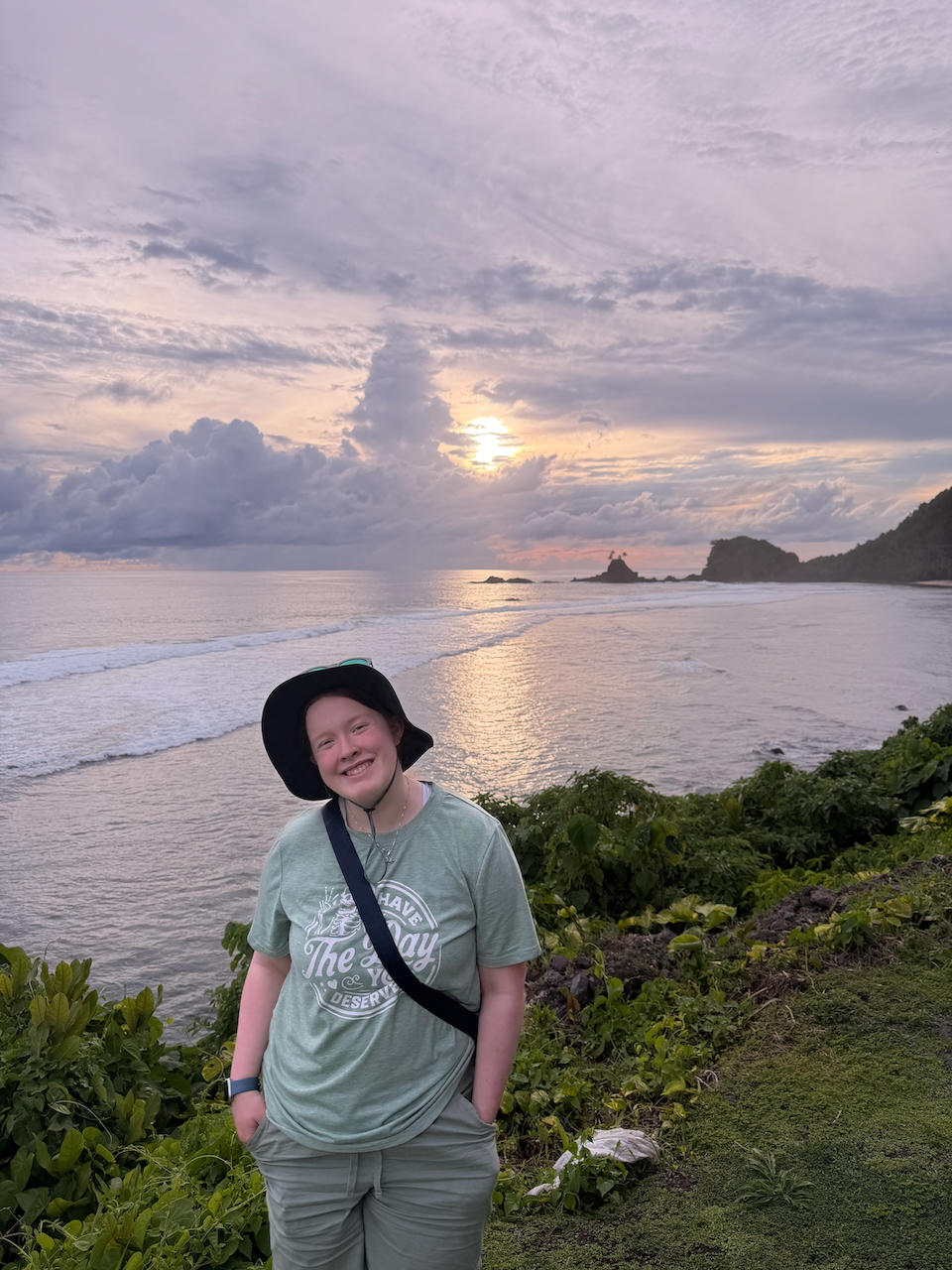
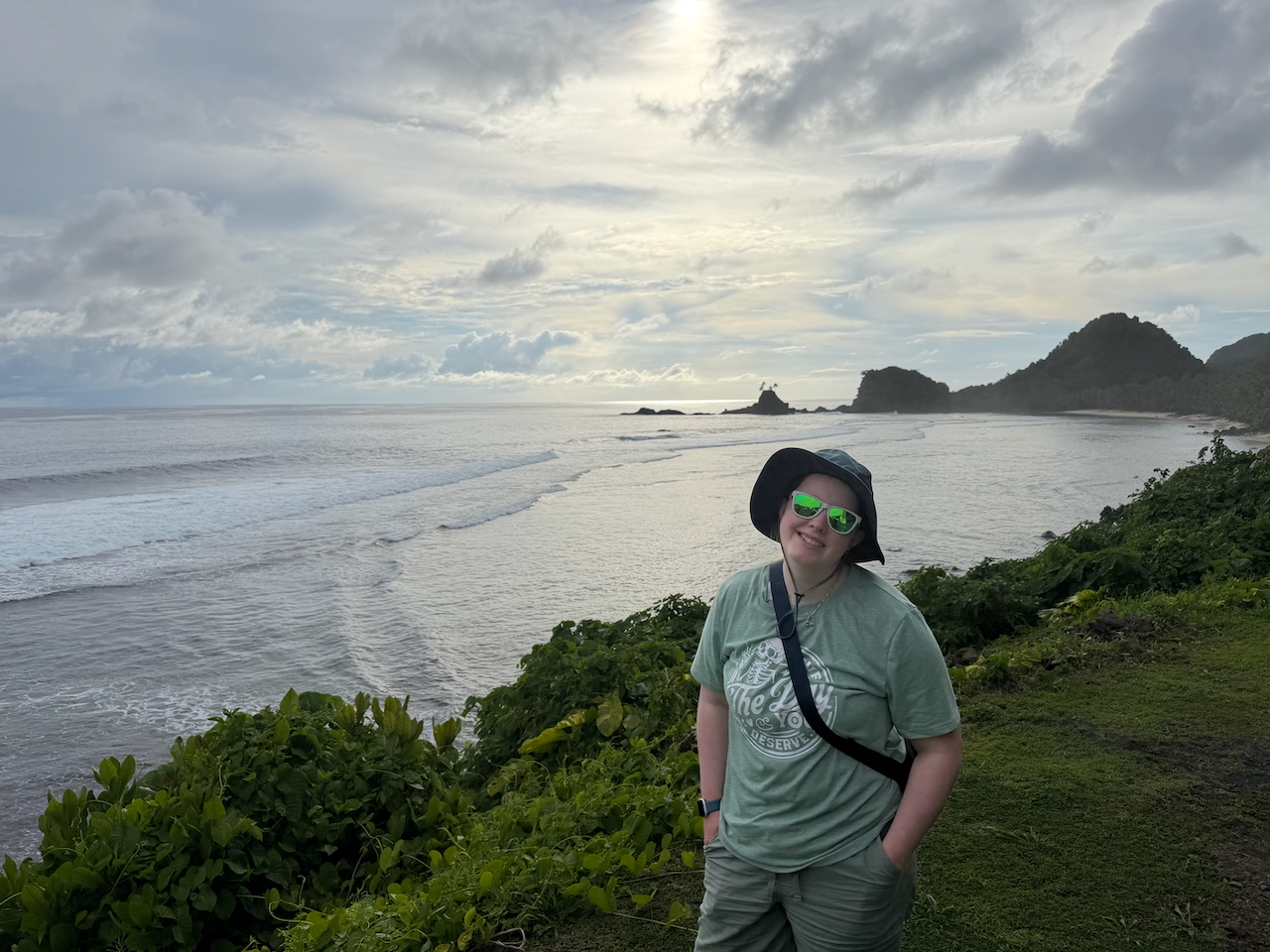
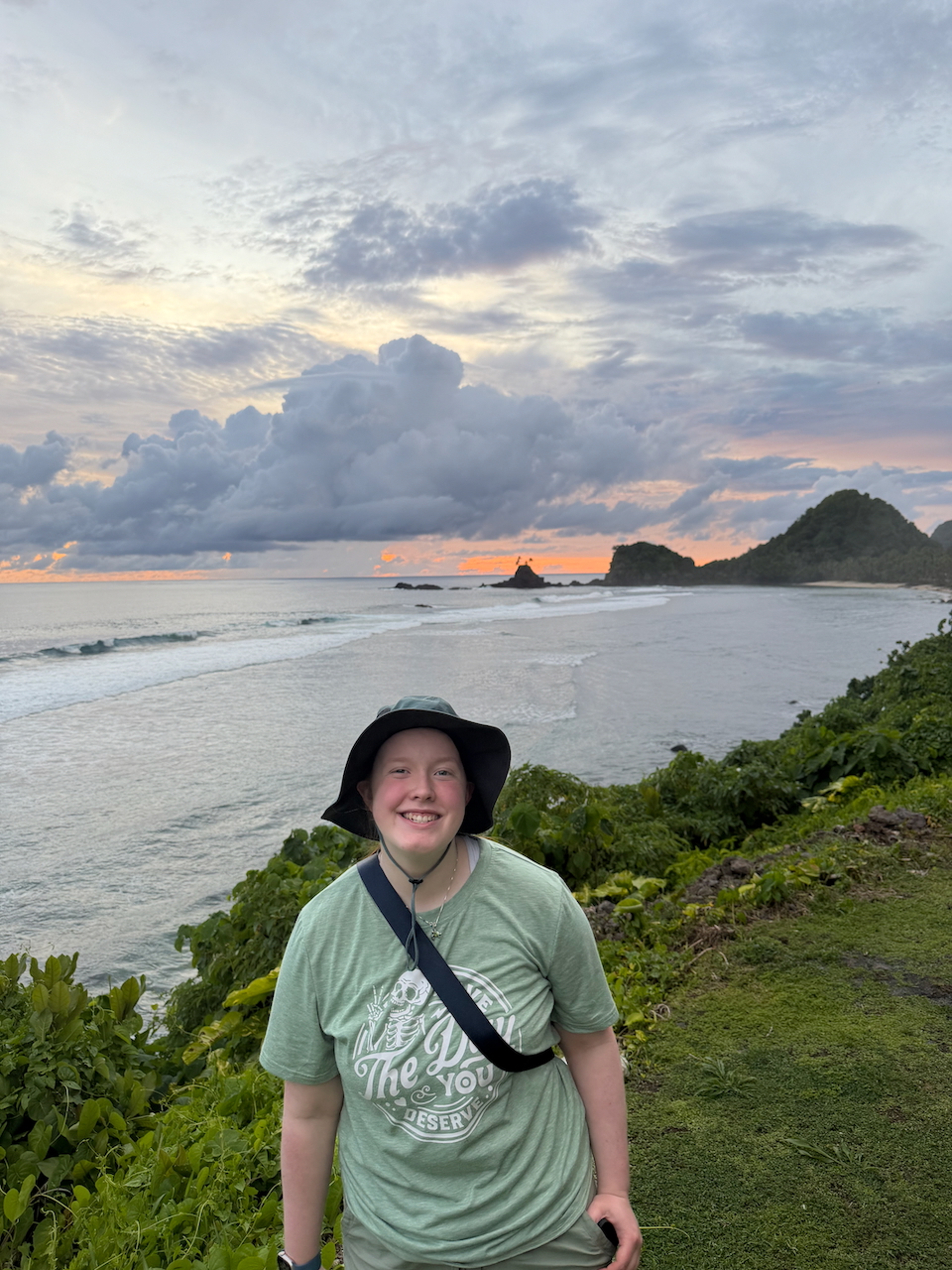
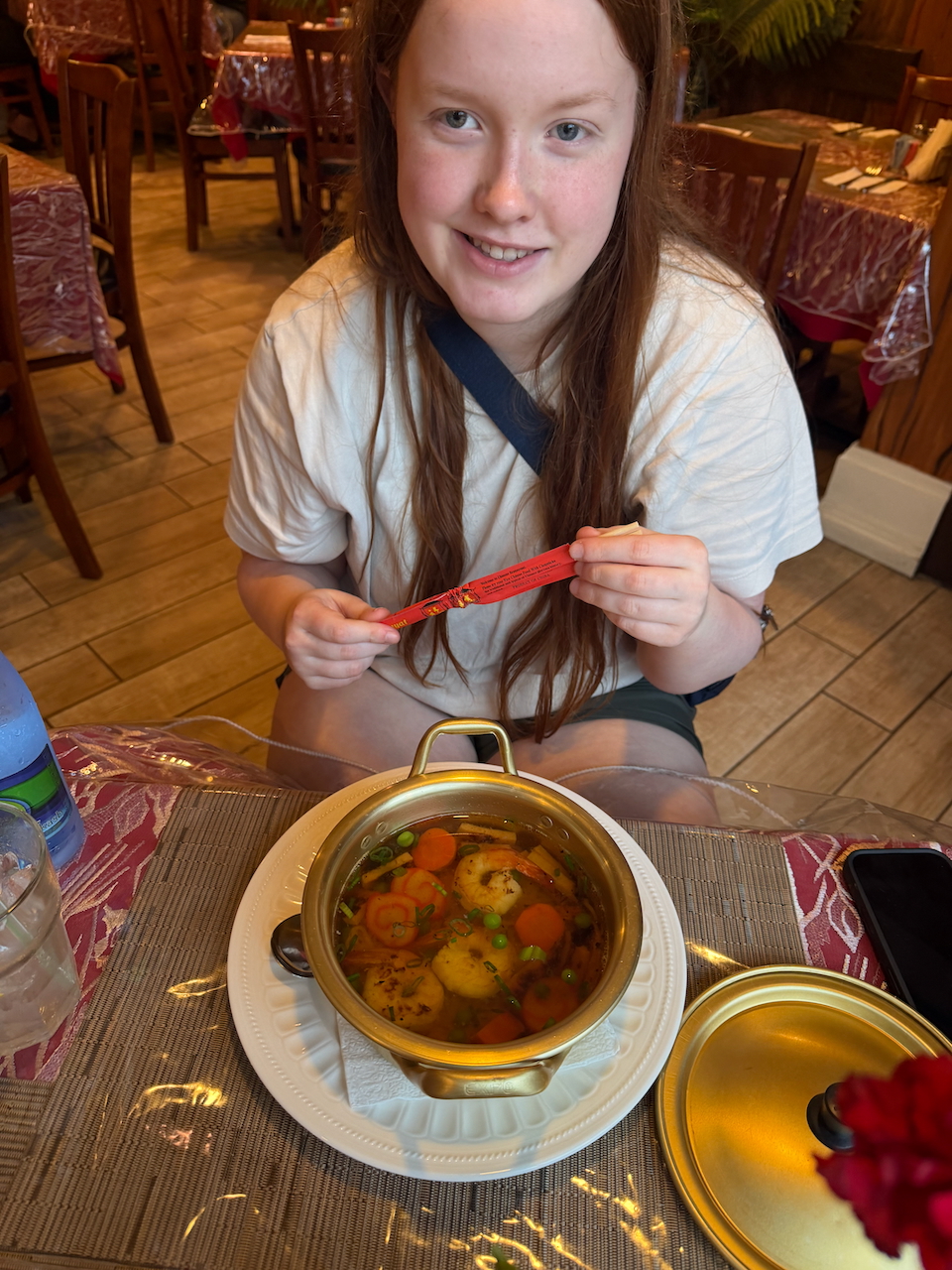
The people were very friendly, and we had some fun, but American Samoa is not the same kind of South Pacific experience people may picture in their heads. There is almost no tourist infrastructure, and there are not many traditional attractions. Shopping is very limited. Food is hit or miss. It has not had the same investment that other nearby islands have had, and you feel that everywhere.
Many, if not most, of the beaches are private, and even some areas of the park require crossing private or village land where you may need permission to enter. I am very glad we went, and I am glad we checked it off the list, but for a journey this far, I can also honestly say there are other places in the South Pacific I would probably choose first if I were planning a more traditional island trip.
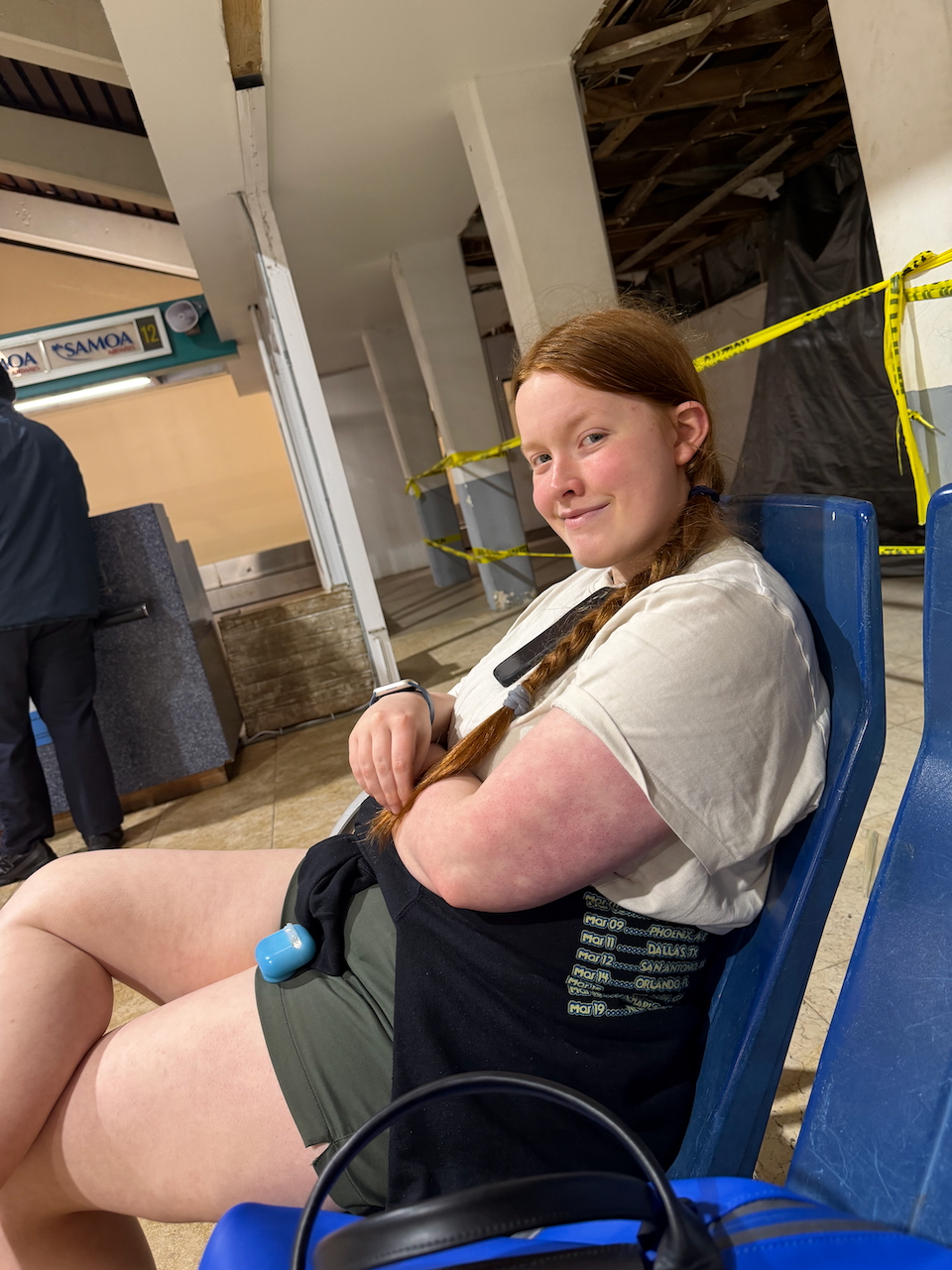
Our time there was short, and we were on the Thursday redeye back to Hawaii. At the airport, you drop off your bags outside and wait for customs to open. The airport has very, very little to it. Most of it is outside, with a few small, greatly overpriced shops inside.
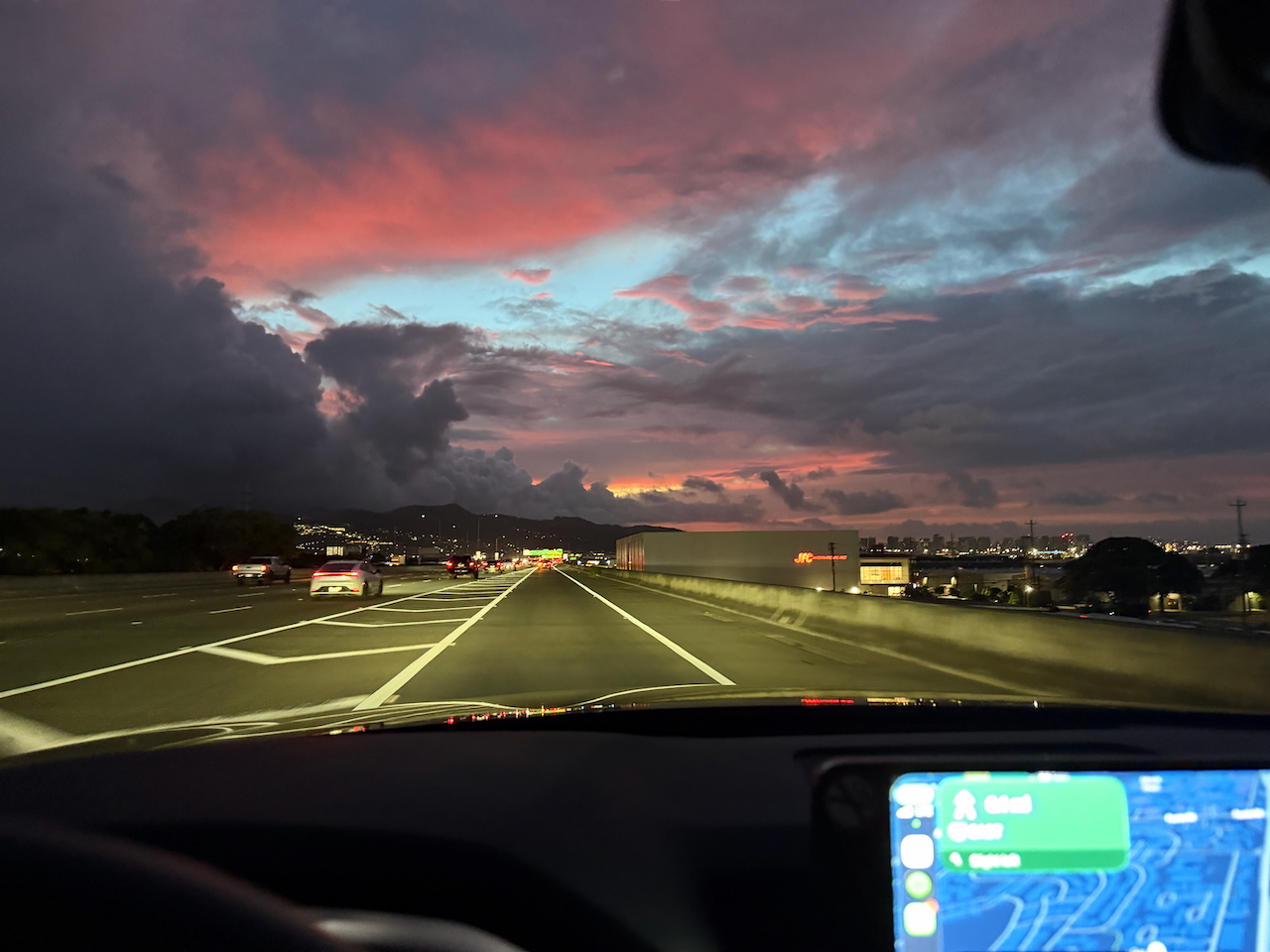
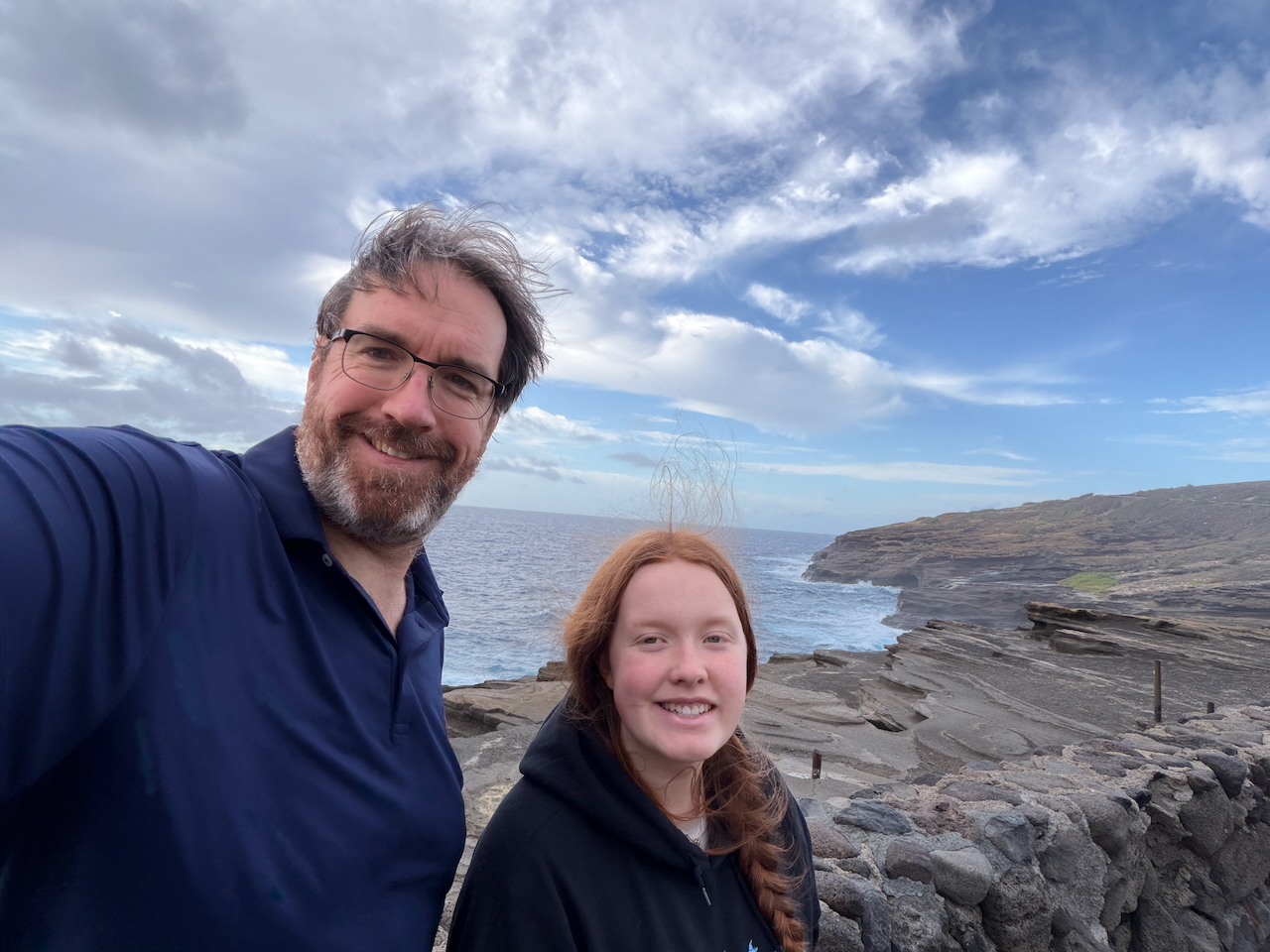
The flight back to Hawaii was nice enough, and customs in Honolulu was super easy and fast. We got our rental car, and because we had hours before check-in, we found a wonderful place for breakfast and then drove a full loop around the island before making our way back to the Hilton in Waikiki.
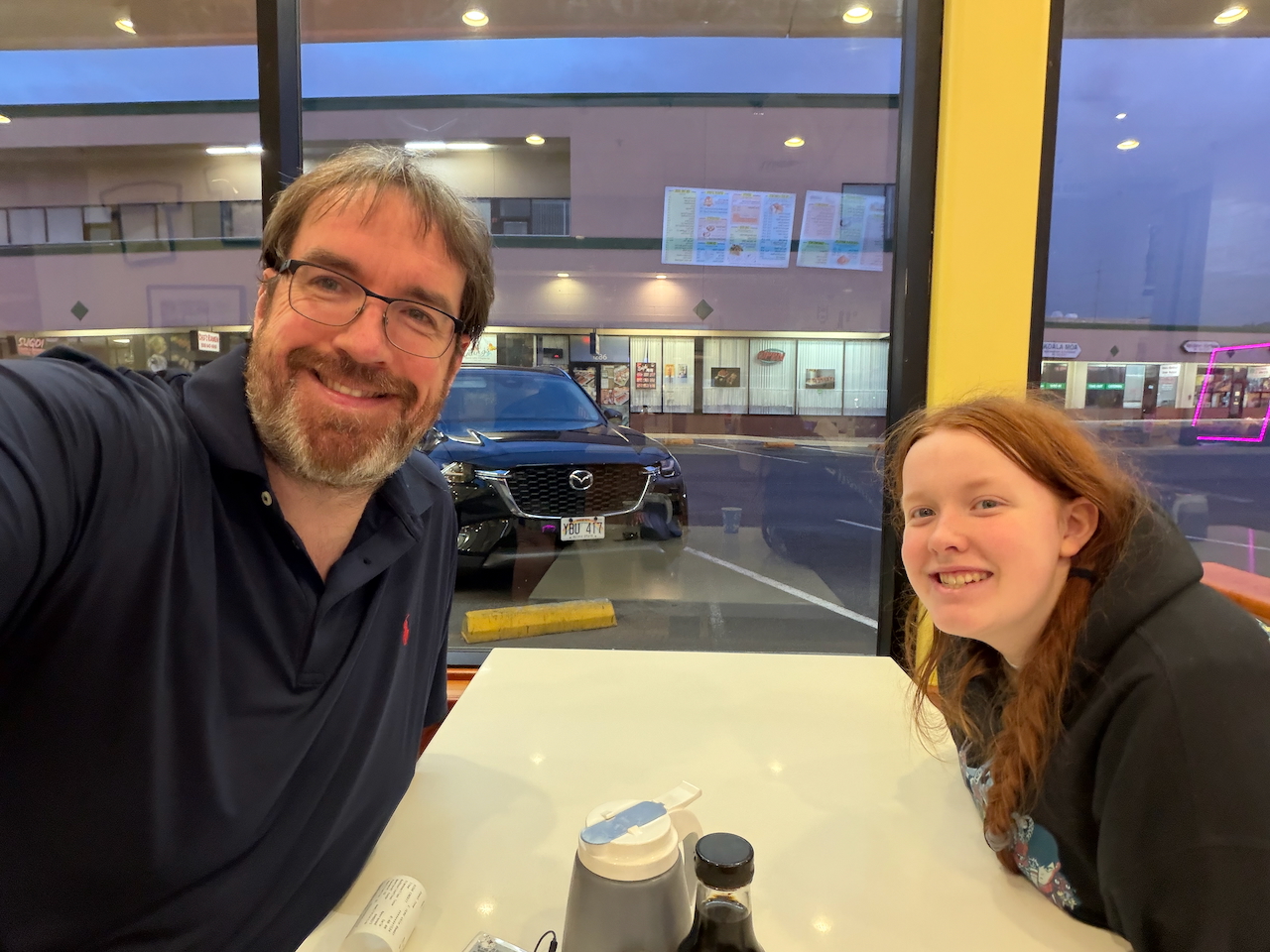
We were still early for check-in, but we waited around and eventually got our room. This is the hotel we have stayed at before, so it felt familiar. That night, we went back to our favorite Hawaii standby: Yard House.
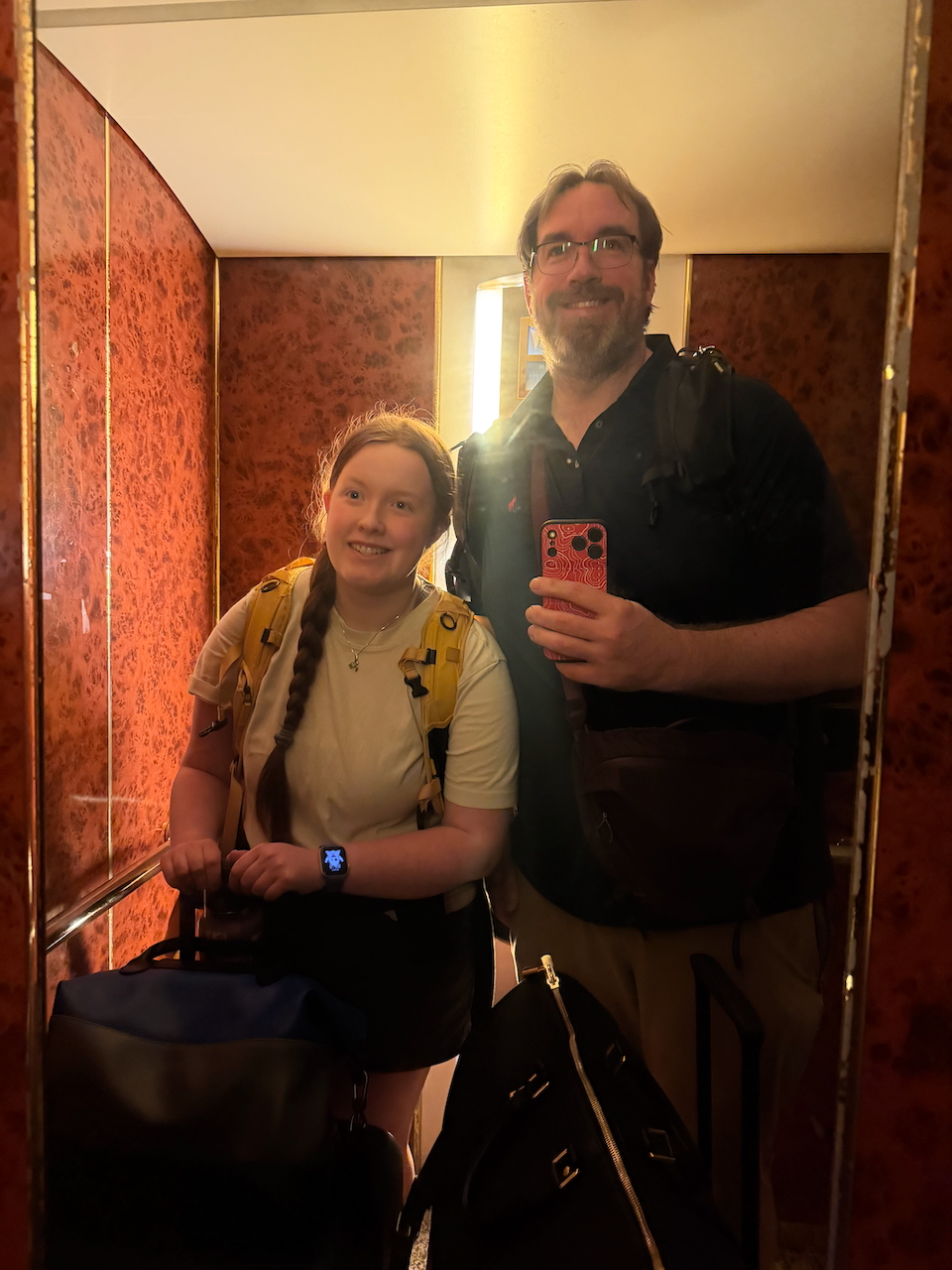
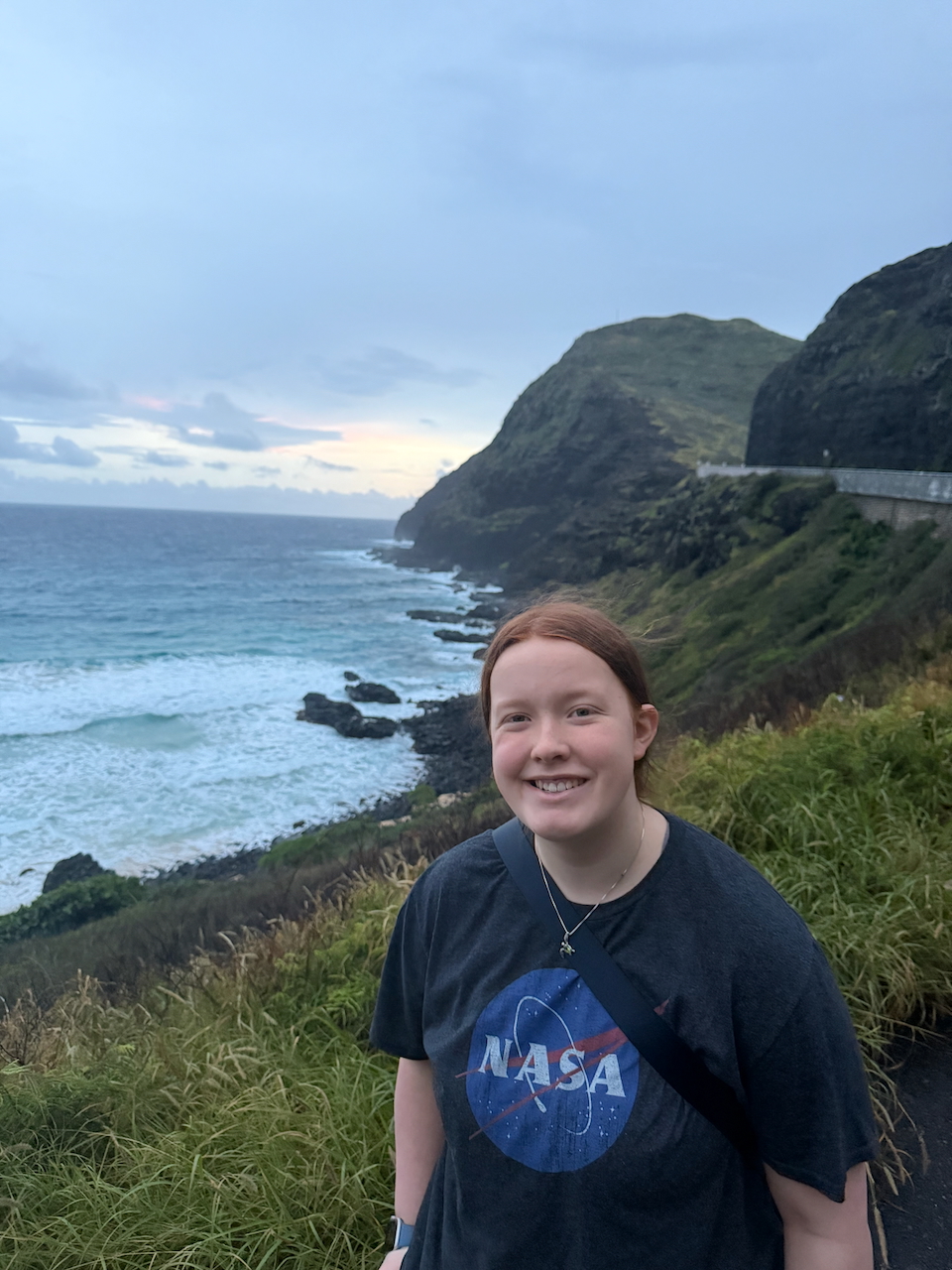
The next day, we went out for sunrise on the far side of the island and had decent conditions for photography. After that, we went back to the hotel for breakfast. Then a massive storm came in and just dumped rain. We were getting phone alerts about local flooding, and then the internet went down in our hotel.
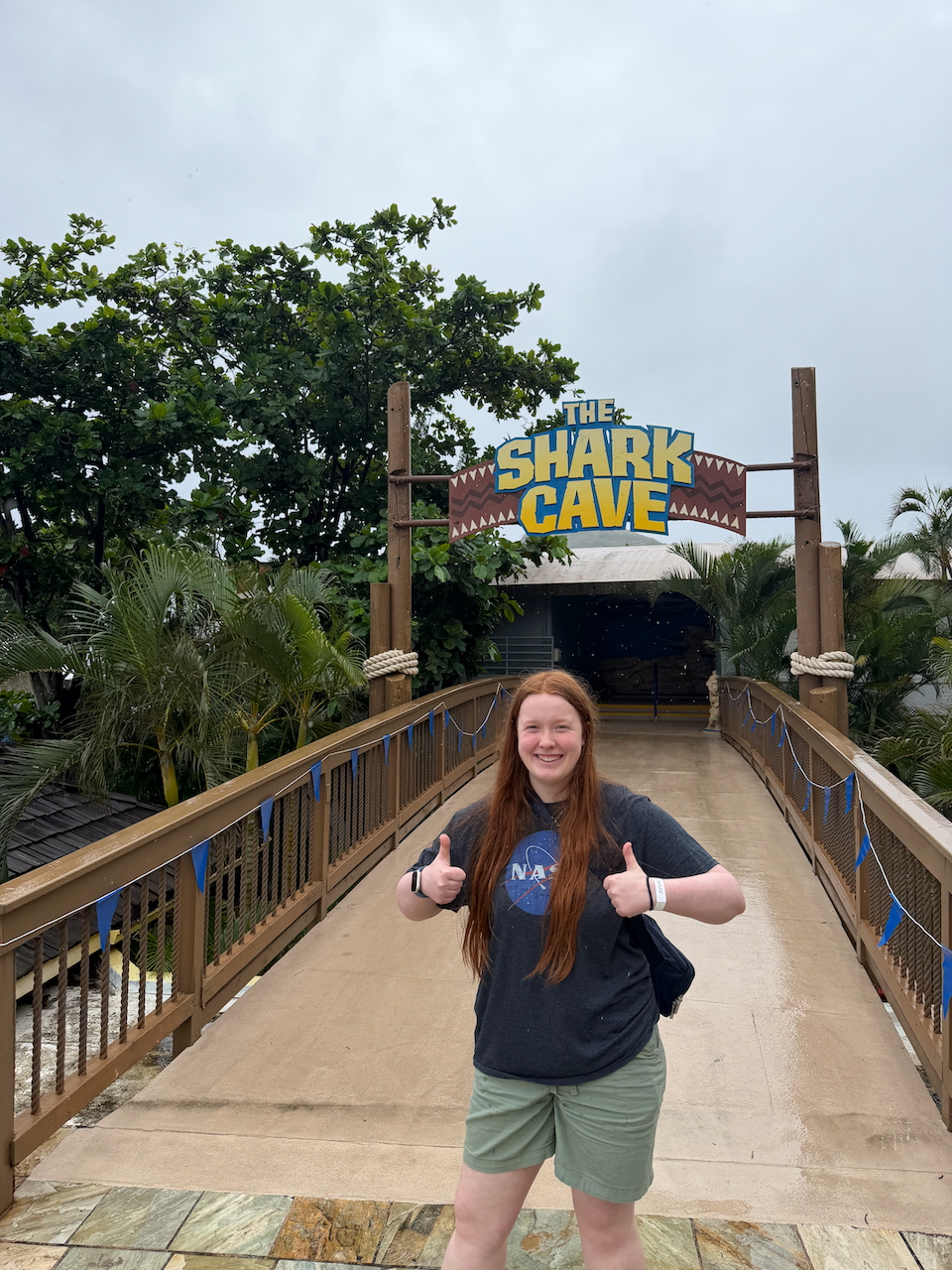
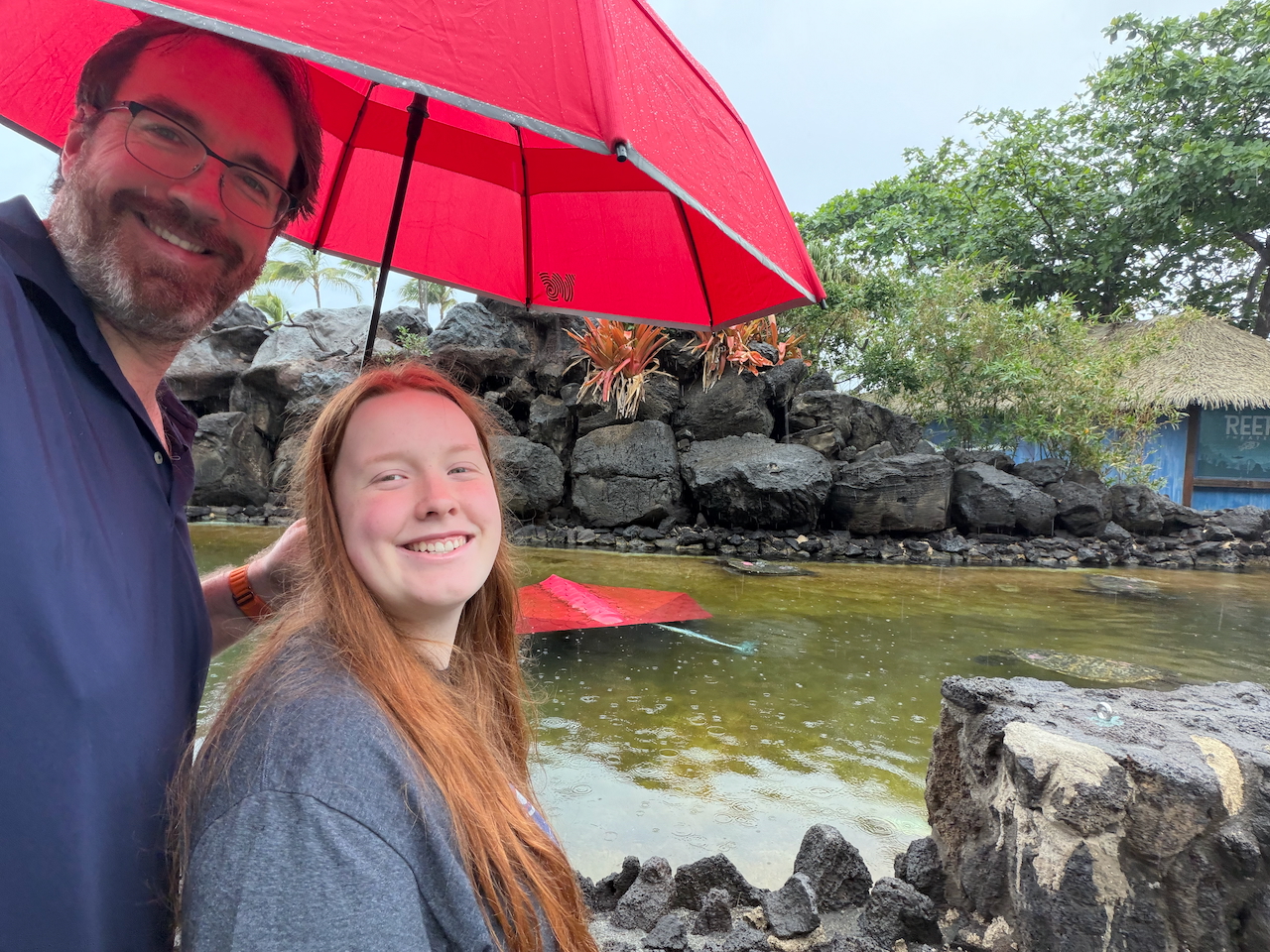
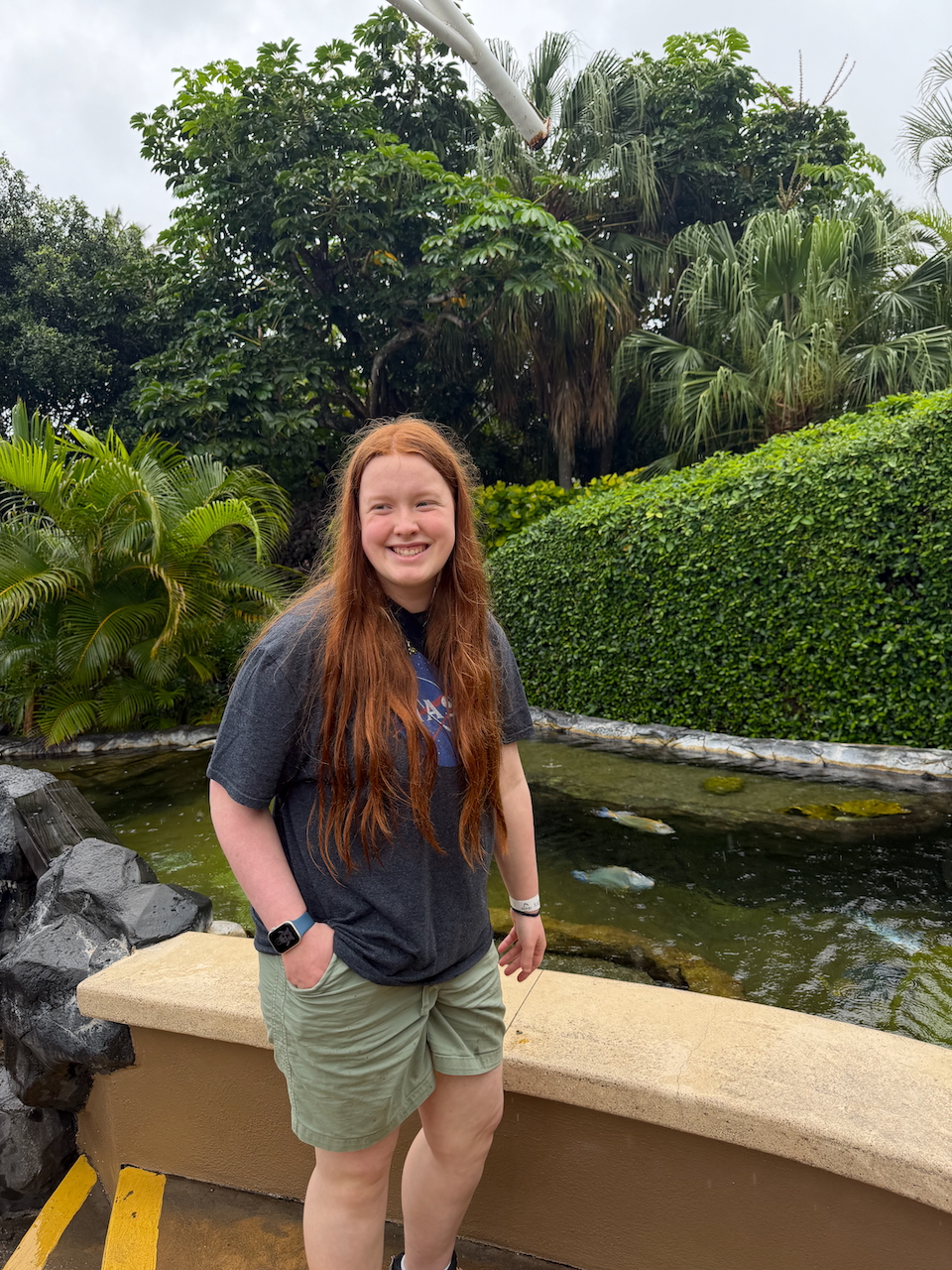
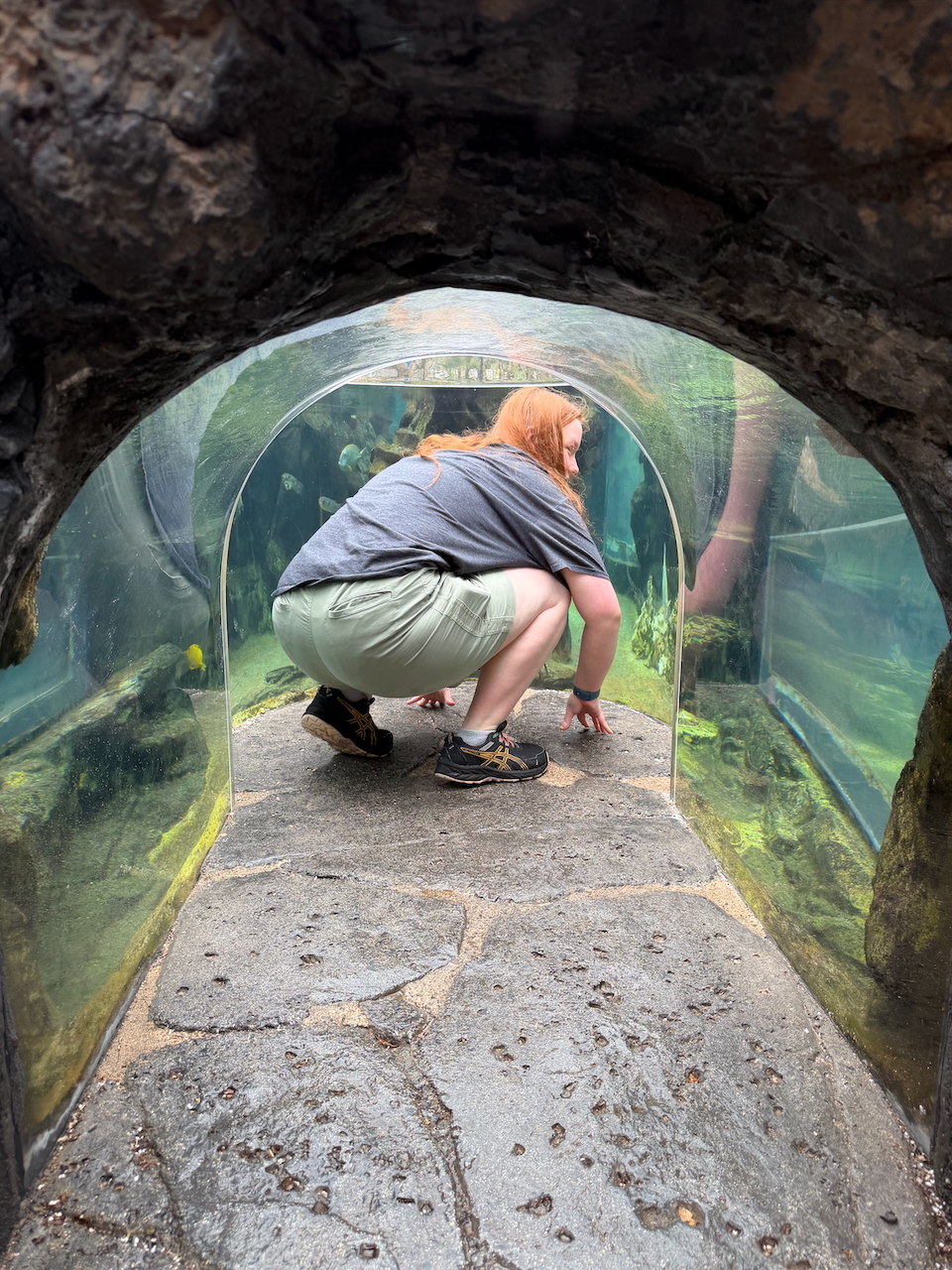
We needed something to do on a rain-filled day, so we went to the aquarium. It is a massive place and mostly outdoors, and because it was the offseason and there was local flooding, there was hardly anyone there. Honestly, it was perfect. No crowds. We got to see everything. It ended up being a great way to spend the day.
What was not great was our hotel.
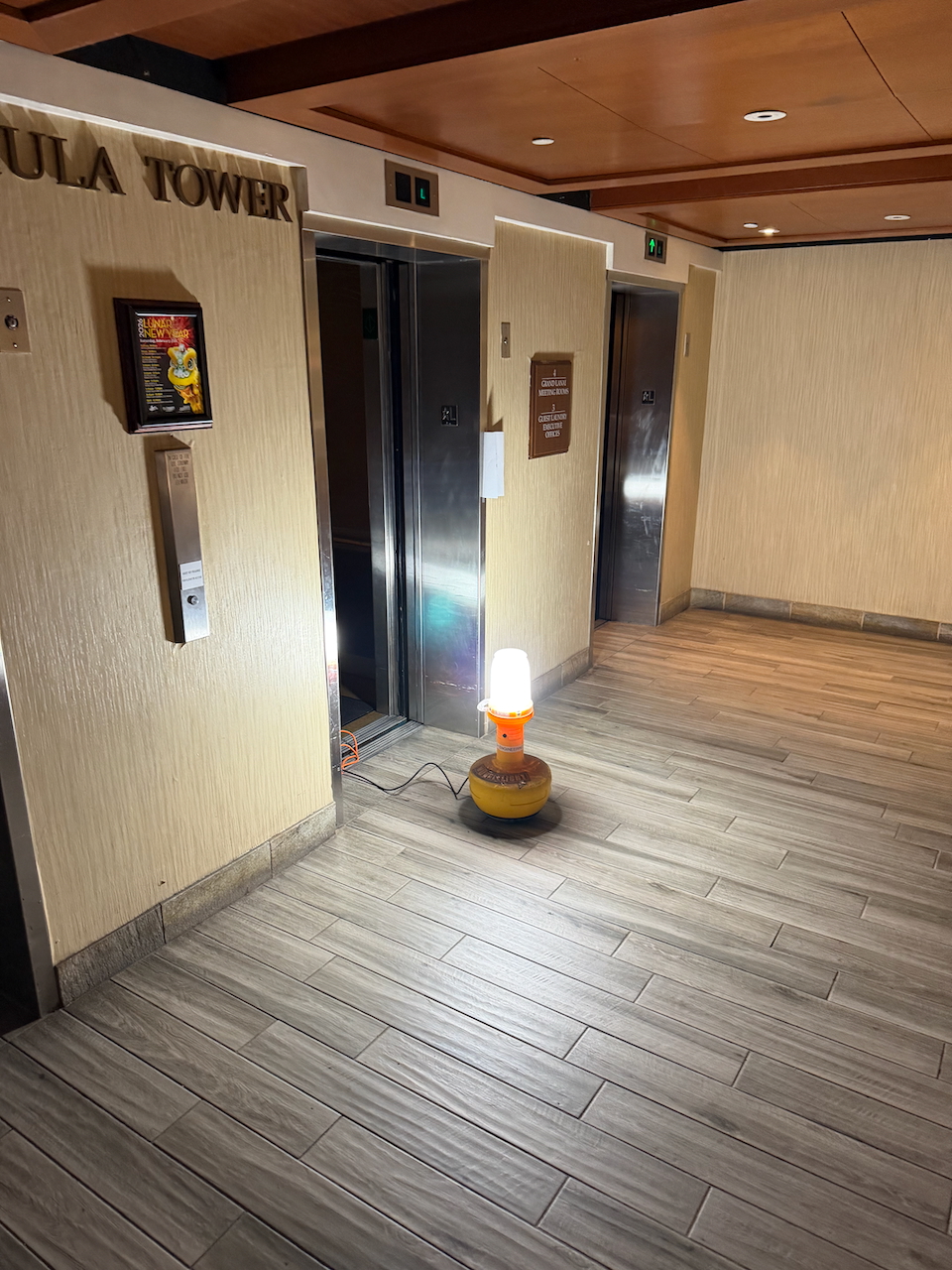
When we got back, not only was the internet still down, but now we had lost power. I walked around a bit, talked to a few people, and eventually found the transformer. It was underwater — seawater, in fact — with oil leaking out. This was clearly not going to be a quick fix. At least there were generators running some of the elevators, so I did not have to hike up 18 flights of stairs.
I knew this was a mess, but I also knew there was a massive winter storm about to hit Massachusetts and Boston, and there was a very real chance our flight home would get messed up. I had taken the week off from work, but I did not have my work laptop with me, so if I could not get home, I had no good way to work.
So off to the Apple Store I went.
I traded in my smaller iPad for the 13-inch iPad Pro. This had the benefit of being an approved device for work, so at least I would be able to work, mostly, if we could not get home.
Back in Waikiki, the power outage that hit our hotel also closed Yard House, so no last meal there for us. I went to the front desk at the Hilton, and they really came through. Apparently, whoever owns that Hilton also owns the Outrigger across the street, and they sent us over there. They gave us a truly wonderful room right on the beach.
We did have to pack everything in the dark using my headlamp and flashlights, and it was amazingly hot in our powerless room. But once we got moved, the situation improved quickly.
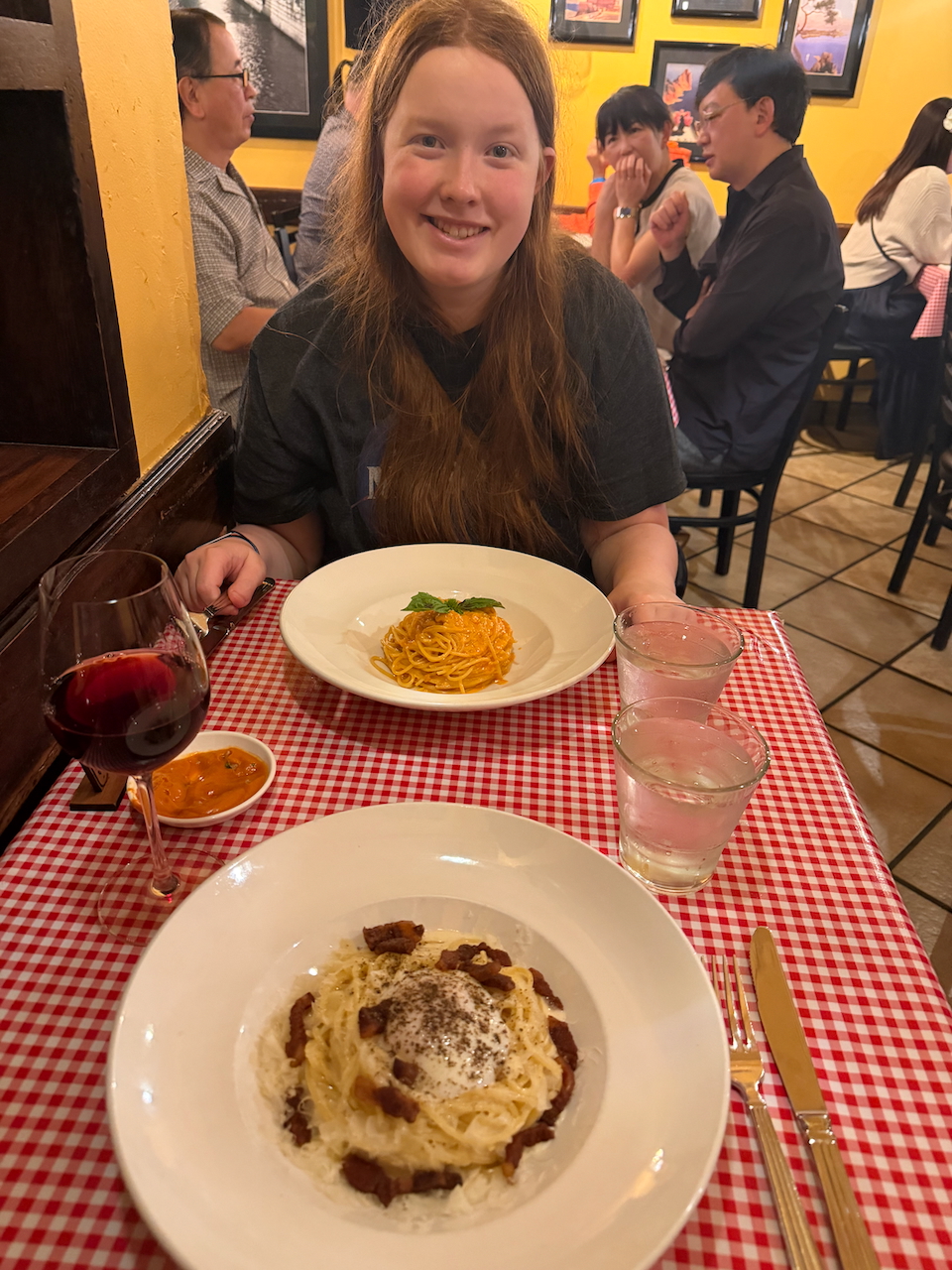
Since Yard House was closed, I still needed to find food. By now, it was already very late. We stopped by the host stand at Arancino on Beachwalk, and the hostess there was truly amazing. She told me they were fully booked, but she still worked us in for a late dinner.
It turned out to be one of the best Italian meals I have ever had. The menu had this really interesting mix of Italian and Japanese influence, which makes sense in Hawaii but still felt unexpected in the best possible way. It was refined without being stuffy, and after a long, wet, powerless day of moving hotels and trying to figure out flights, it was exactly what we needed. Sometimes the best meals on a trip are not the ones you plan months ahead. They are the ones that save the night.
The next day, it was time to fly home. Or at least that was the plan.
On the way to the airport, we found out our connecting flight to Boston had been canceled. We knew this was always a possibility. The largest blizzard in decades was about to hit my town back home. I called Delta, and it was a mess. In hindsight, I should have changed the flight the night before, even before it was officially canceled. But now we were stuck figuring it out in real time.
I could get us on a plane that day to Salt Lake City, but there was nothing getting us back to Boston until a Thursday night redeye.
Whelp. Okay then.
I booked a car. My wife found us a Hilton right next to the airport for one night, and then our favorite Hilton in Moab for the rest of the week. Our one-week, two-island trip had now become a two-week trip covering two islands and the Utah desert.
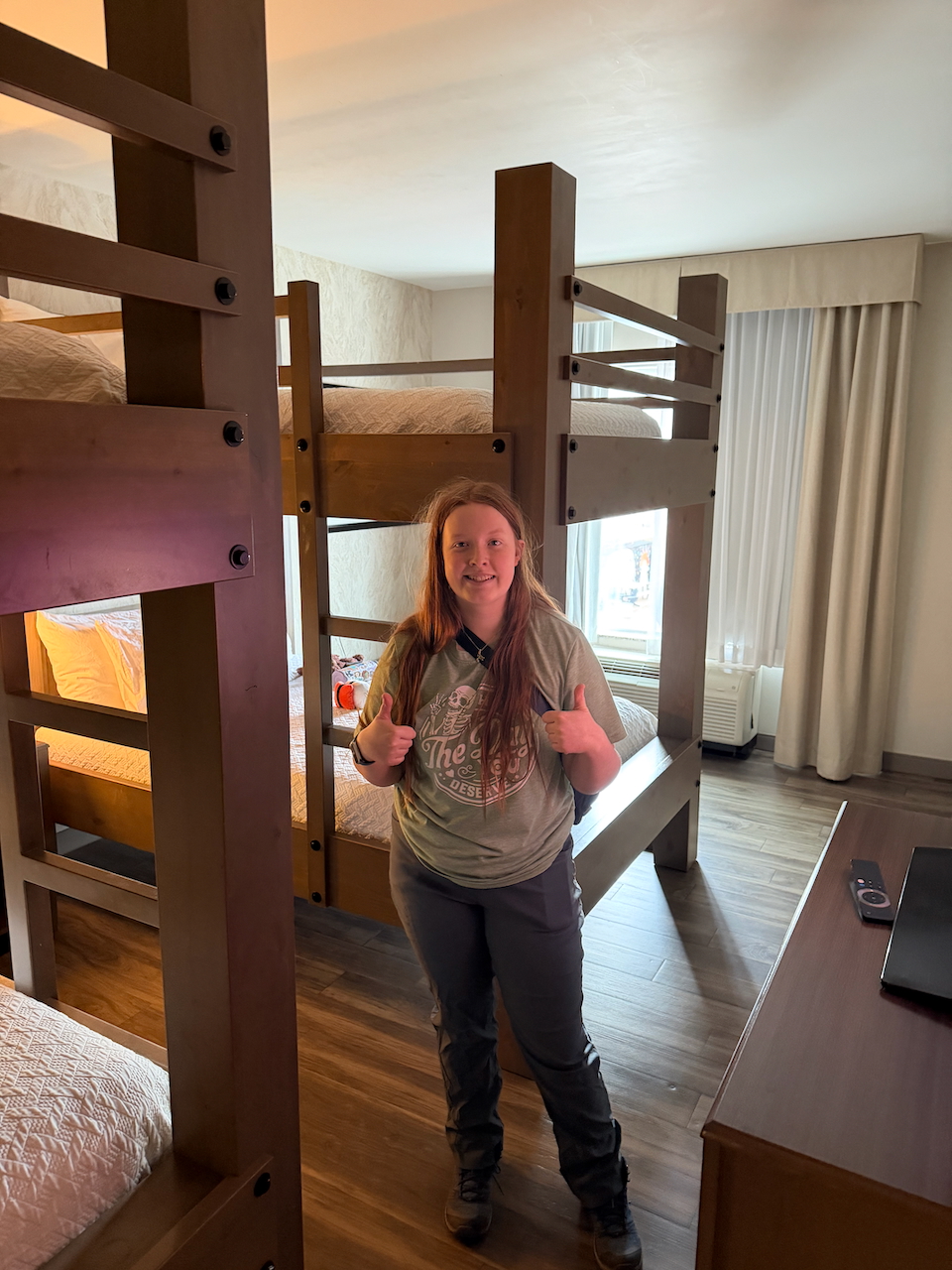
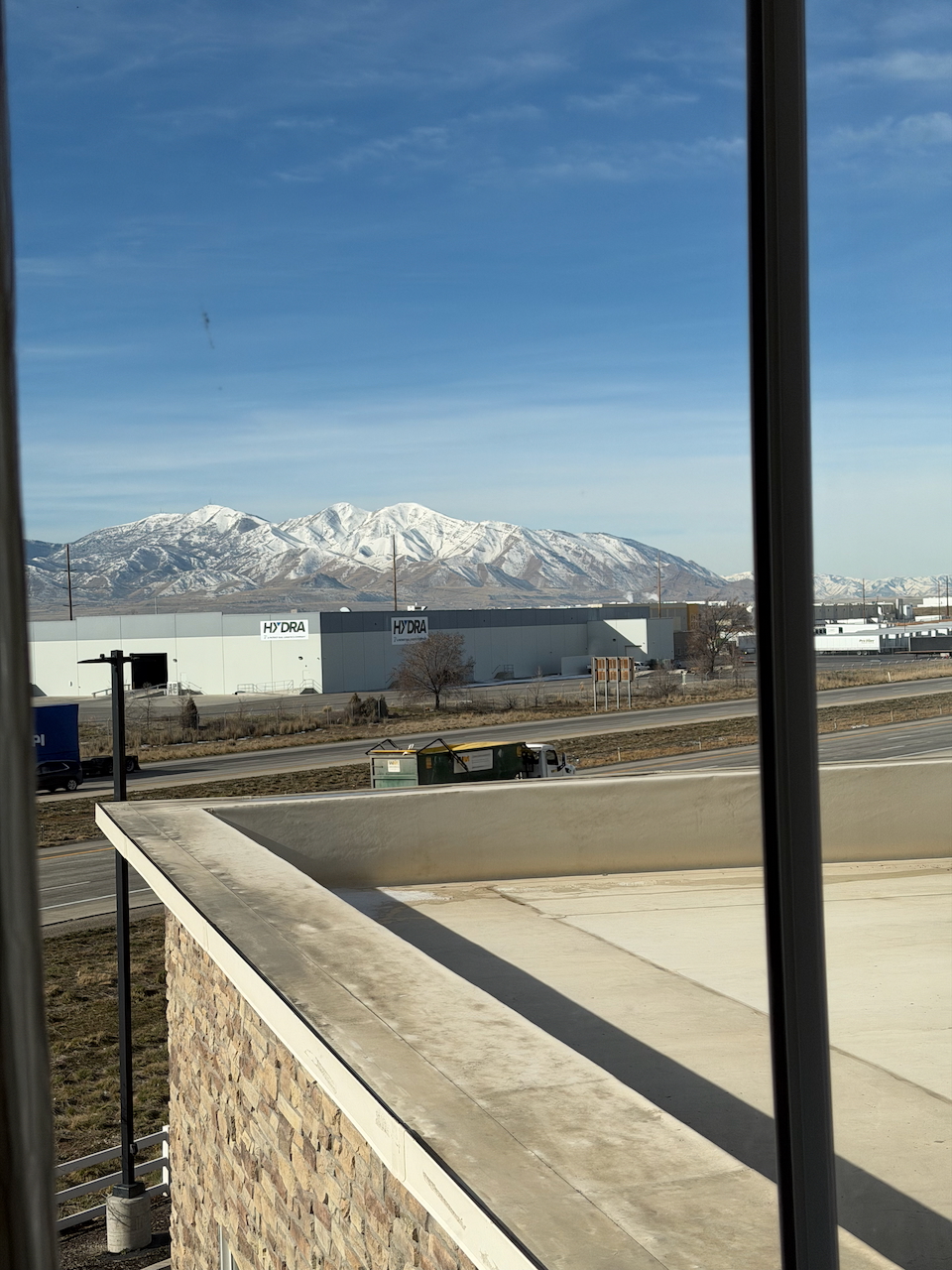
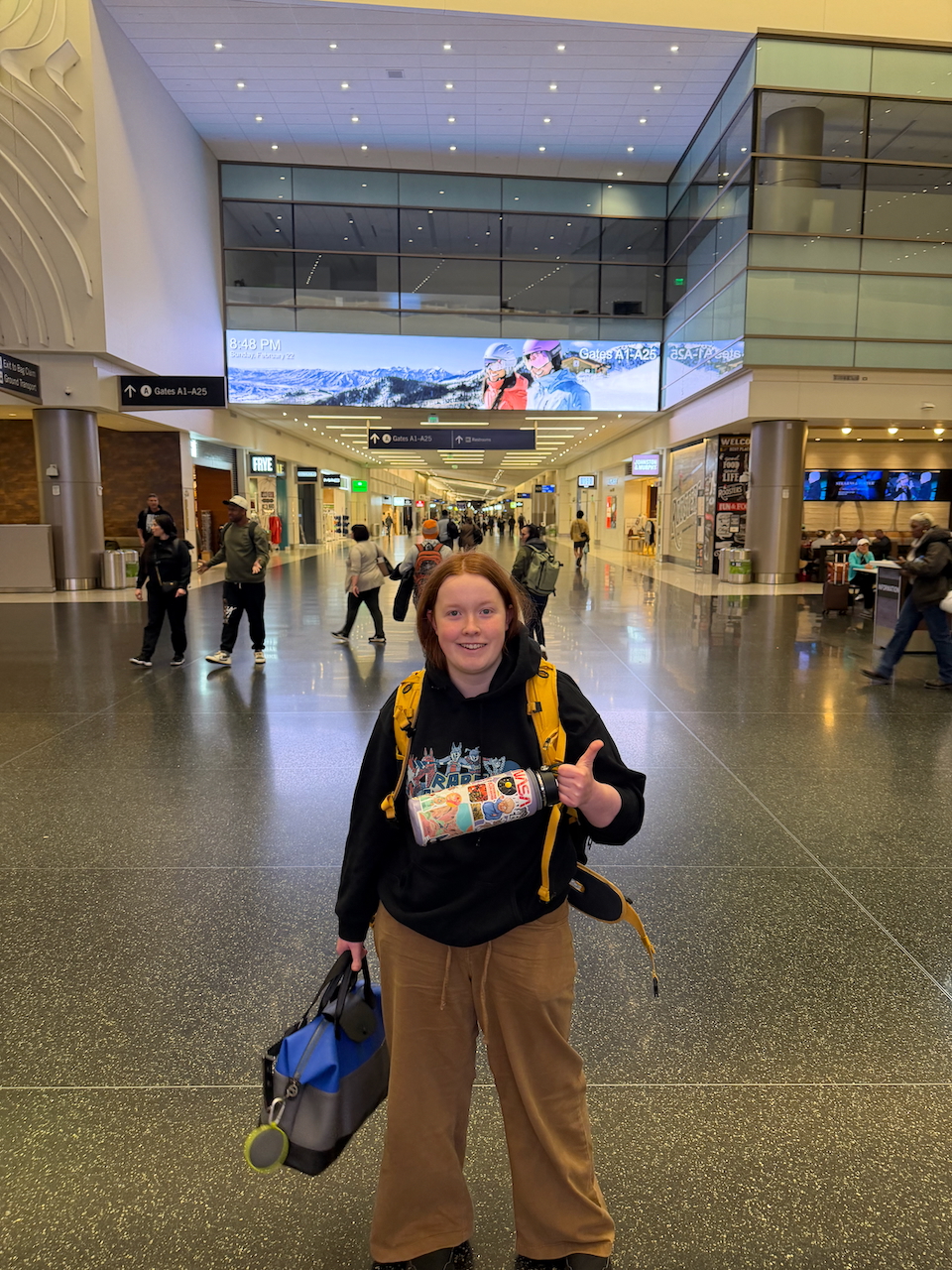
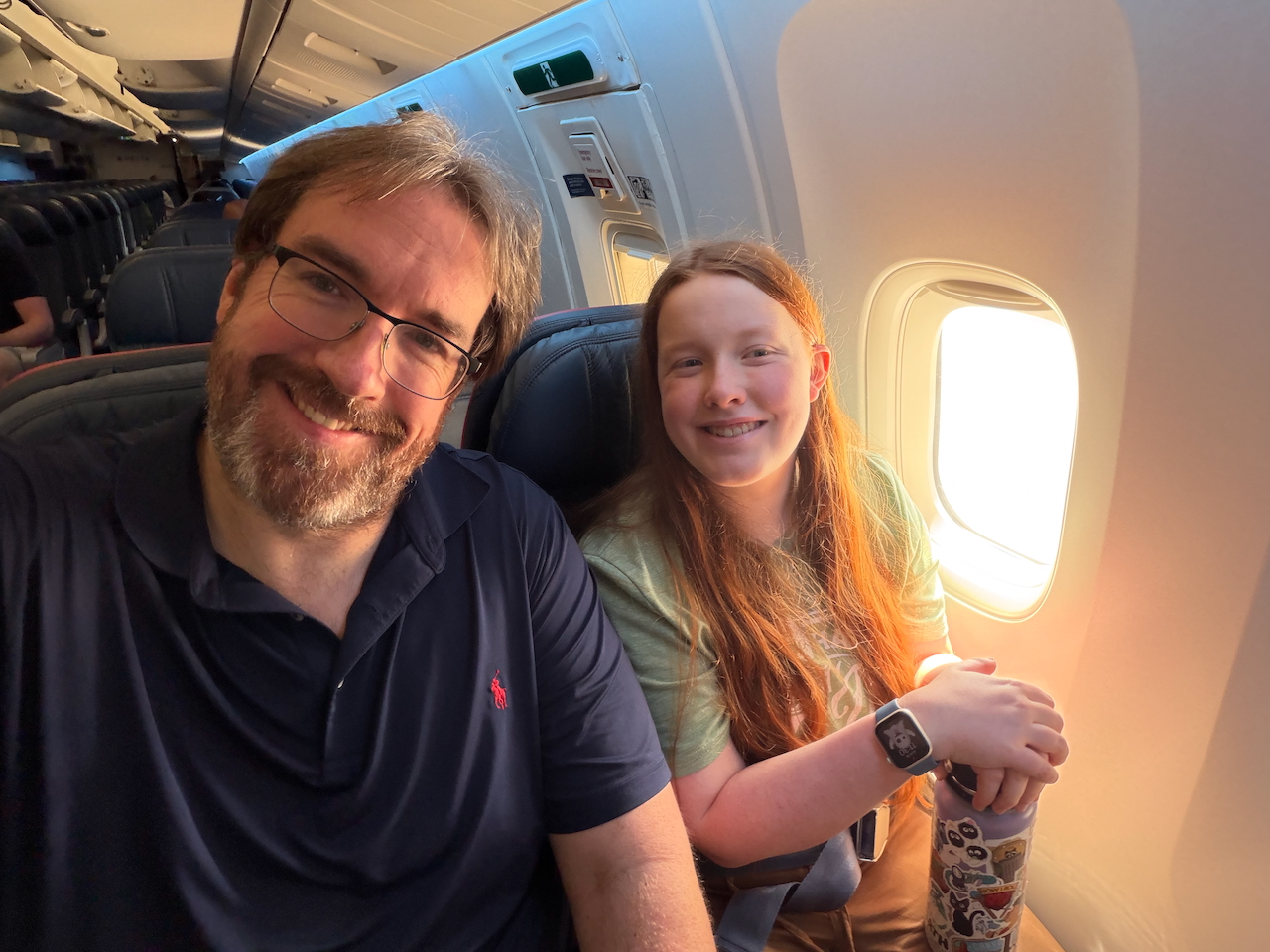
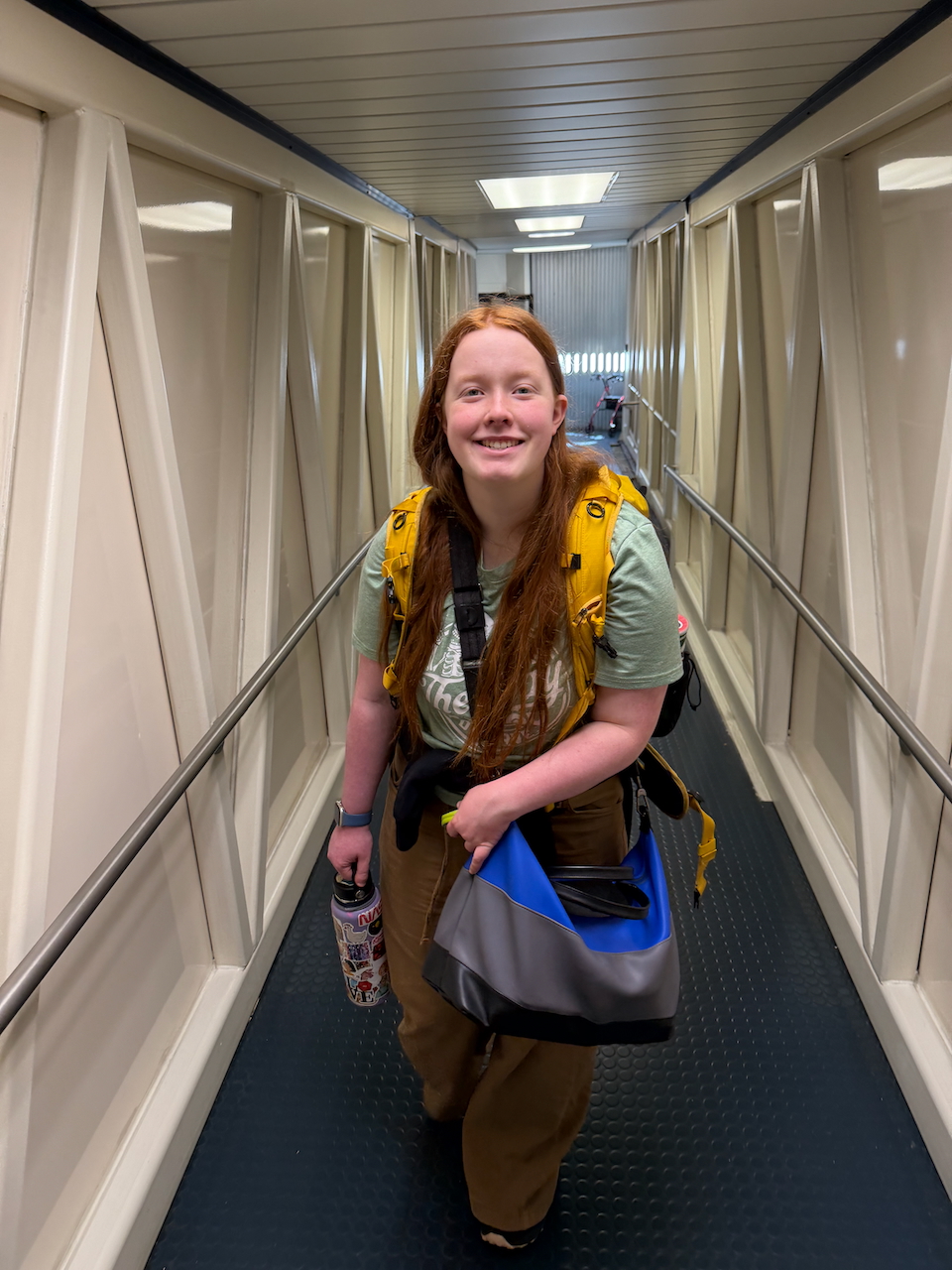
The next morning, now Monday, we made our way from Salt Lake City to Moab. Trying to take work calls while driving through the desert was interesting, but we made it work. We got to our hotel, and it was lovely as ever: a nice two-room suite right downtown in Moab. That meant I could work early East Coast hours while Cami was still sleeping, and then we could walk to lunch every day once I was done.
We spent the next four days in and around Moab. I was working East Coast hours, so we still had a ton of the day remaining after work. We would head into Arches, Canyonlands, and Dead Horse Point State Park. These were some of the first parks we had ever visited together, so it was nice to see them again. Cameron was only 11 the last time we were there, so her memories of them were not as strong as mine.
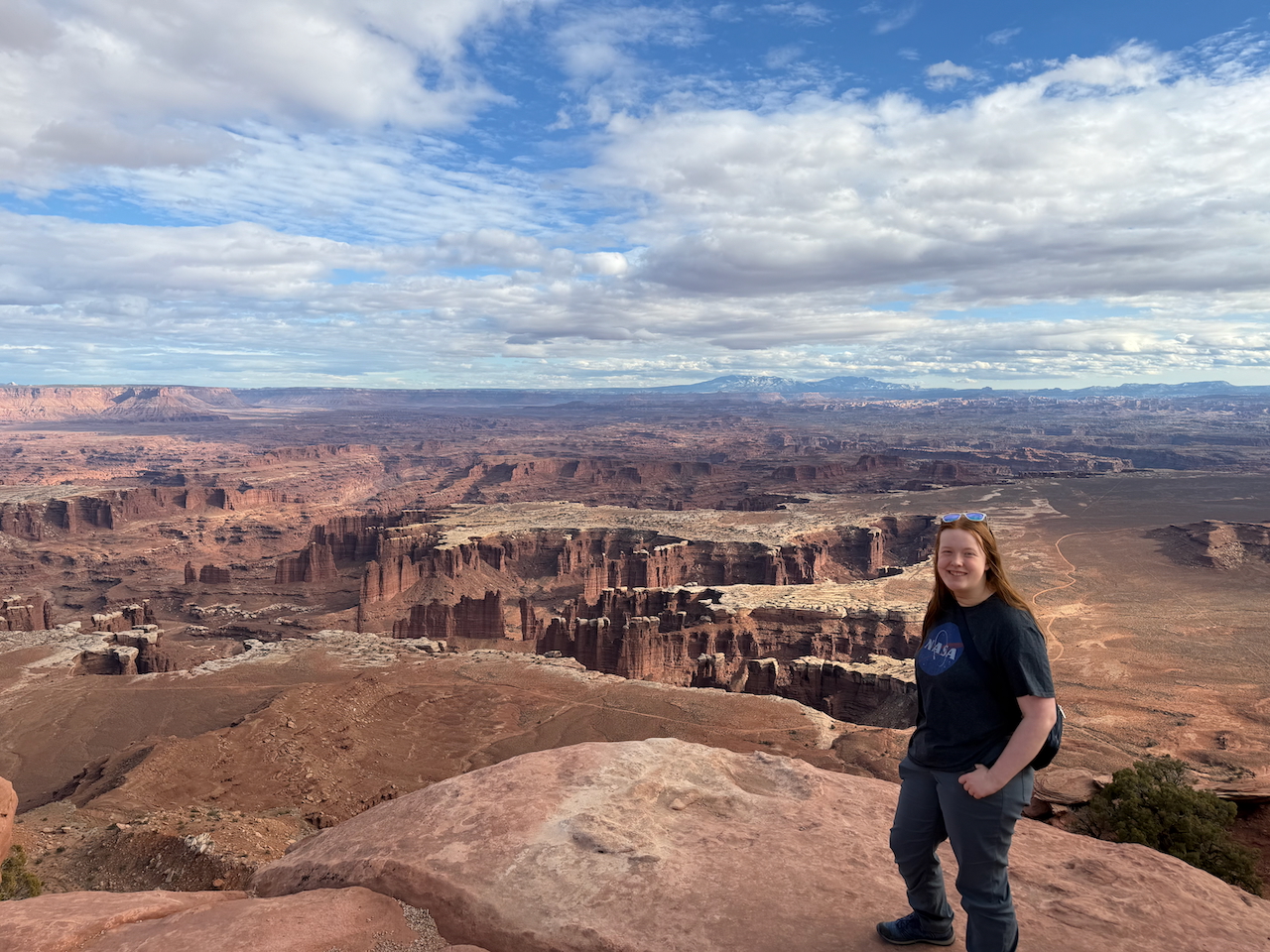
We revisited some of our favorite areas in Arches, although we did not stay there for any sunsets. I was able to make a stunning panorama with amazing storm clouds over Salt Valley and snow-covered mountains in the background. It had been a very dry year for Utah, with very little snowfall. In fact, it had snowed just a day or two before we arrived, and for parts of Utah, that was the first snow of the year. So in that regard, we got lucky.
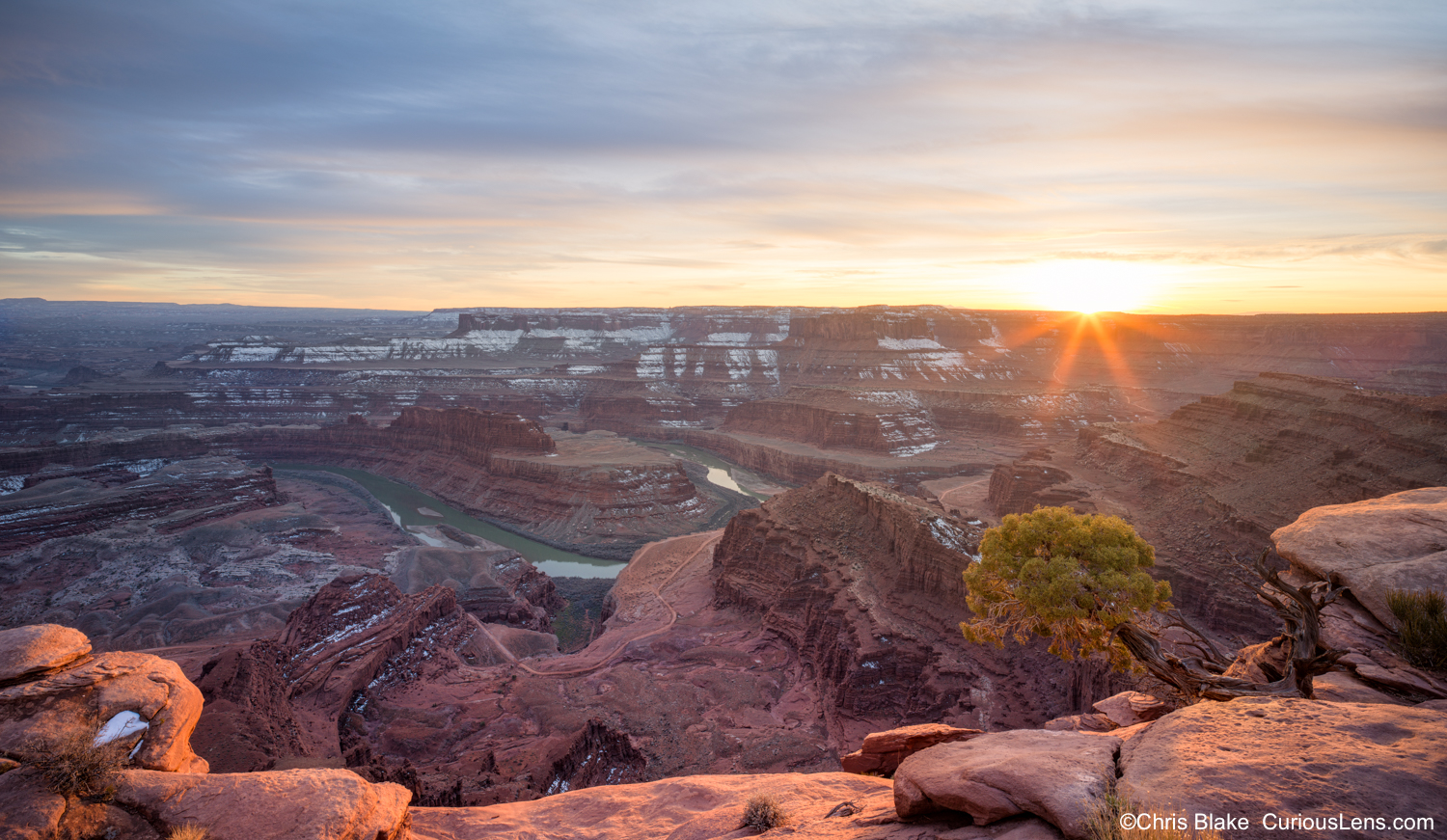
We spent most of our sunsets either in Canyonlands or at Dead Horse Point State Park. I already have a nice photo from our first visit to Dead Horse, but I was hoping to do better this time. The clouds and weather never really came together in a way that gave us the sunset I was hoping for.
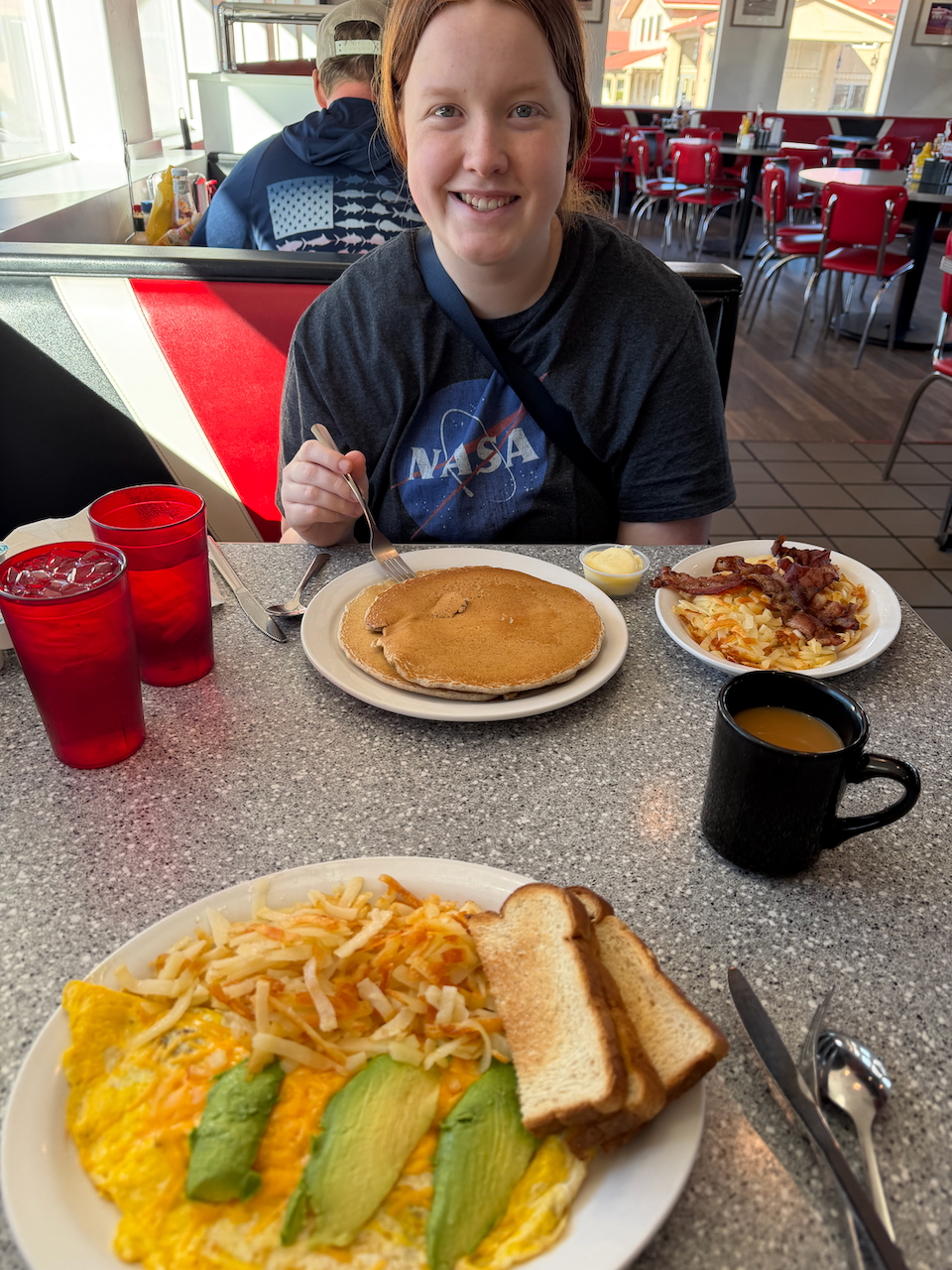
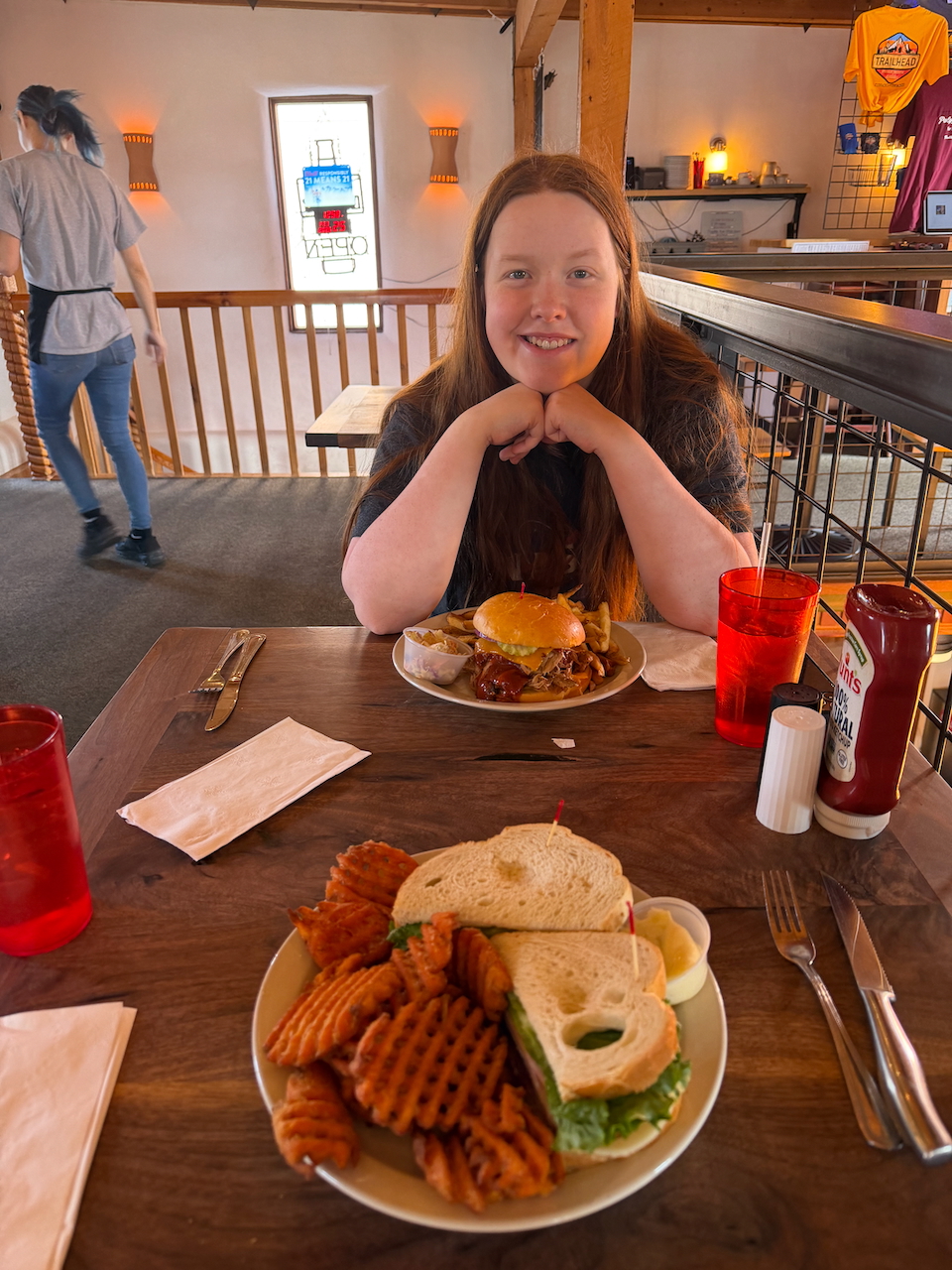
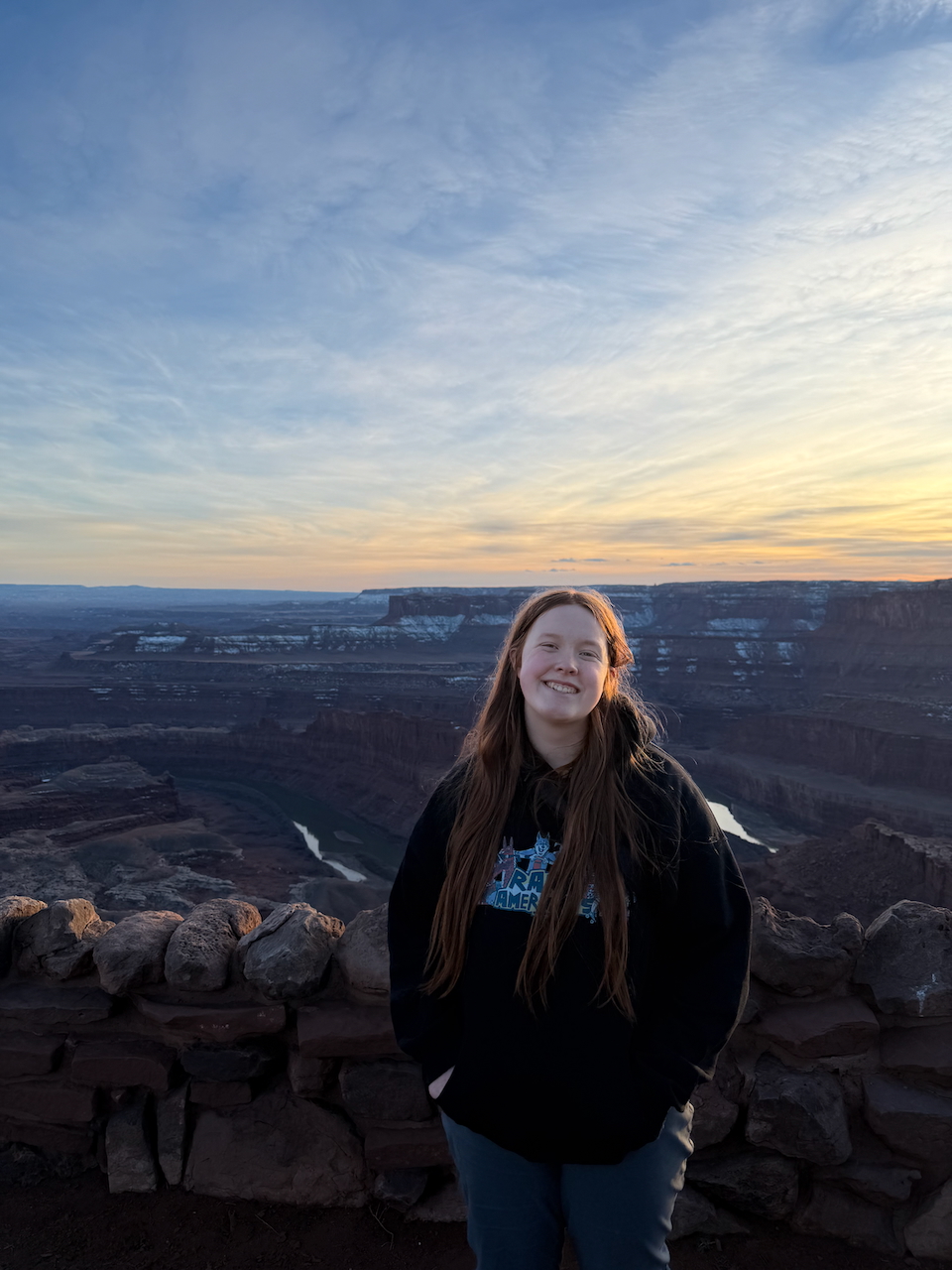
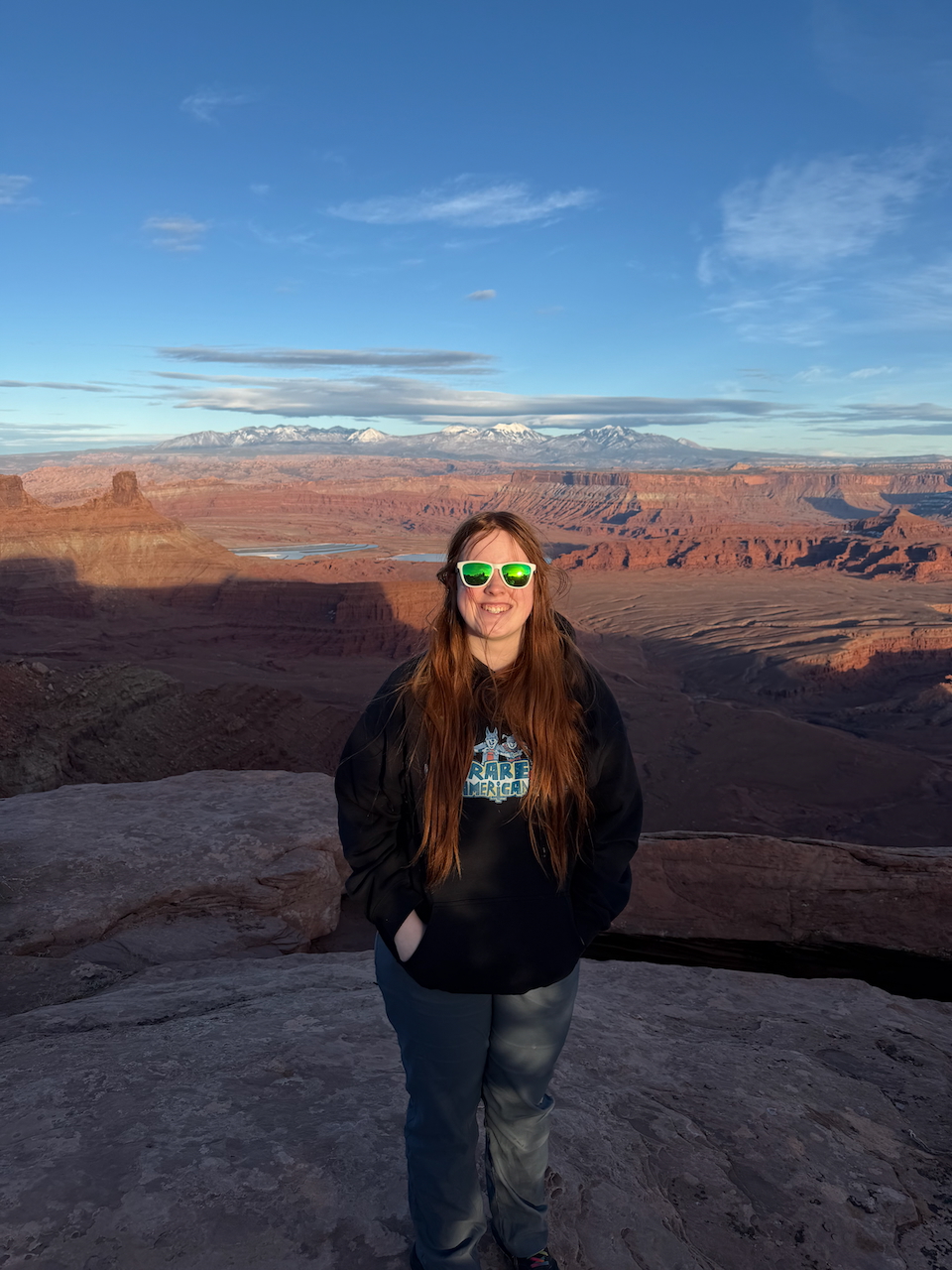
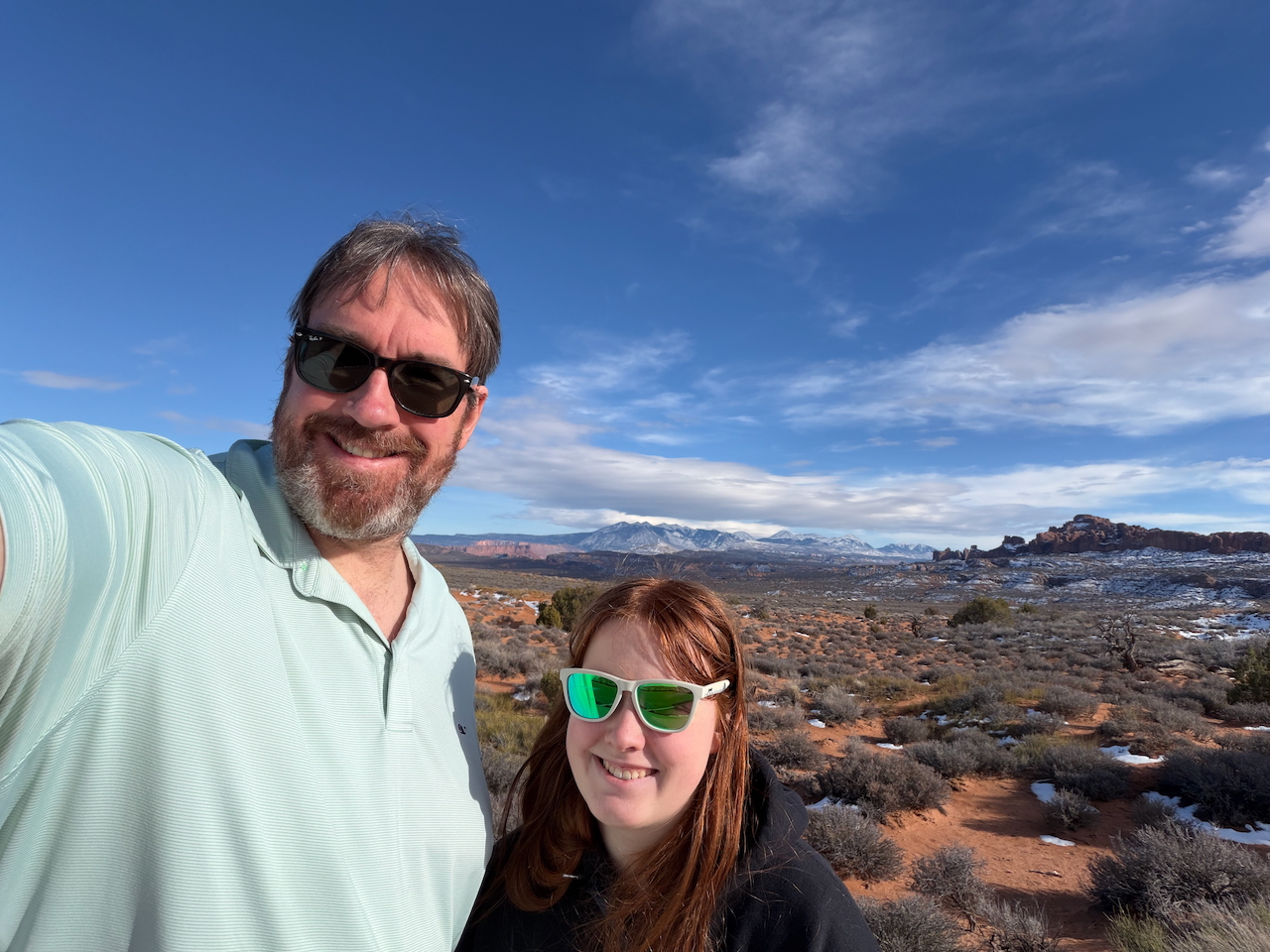
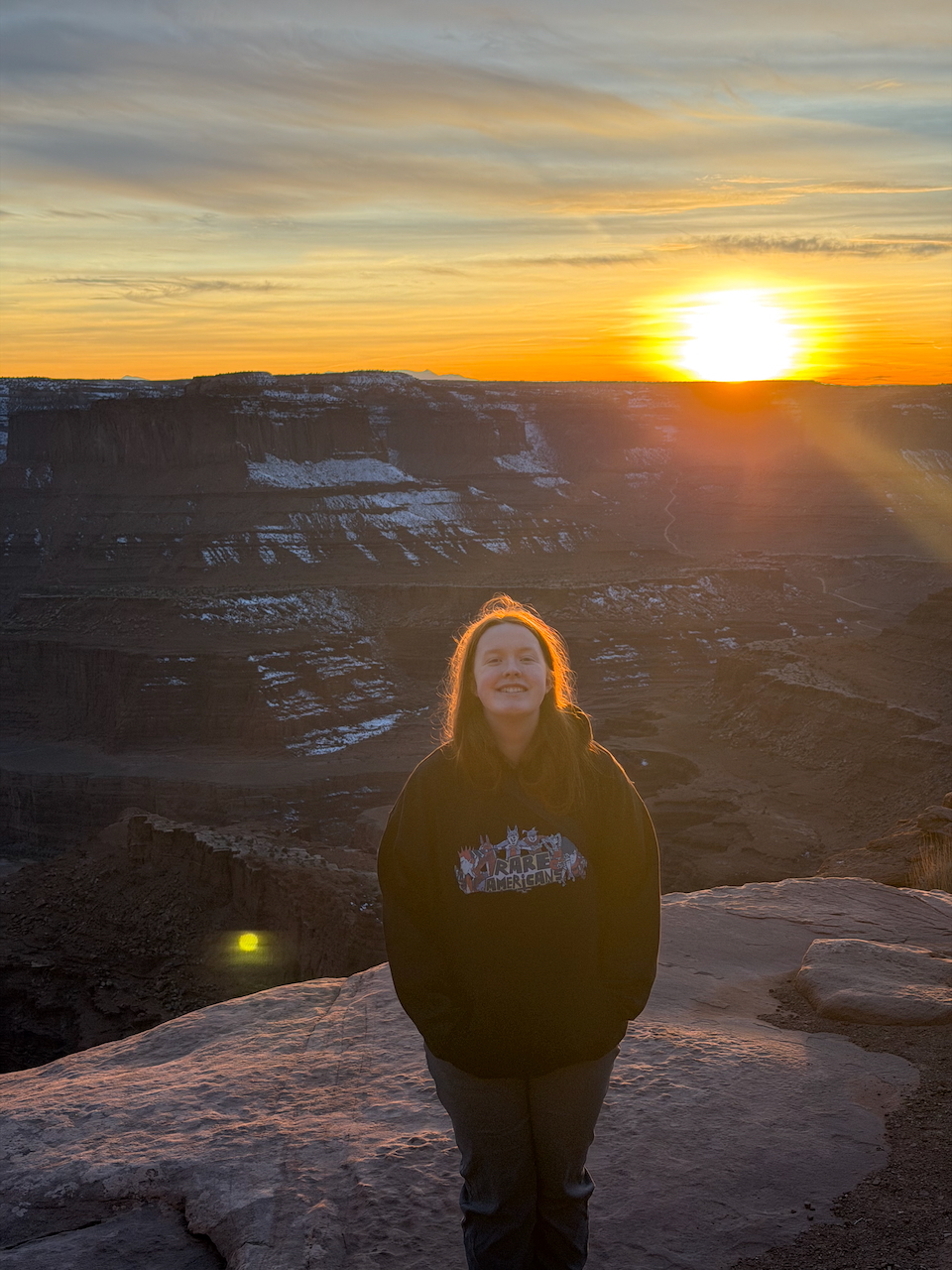
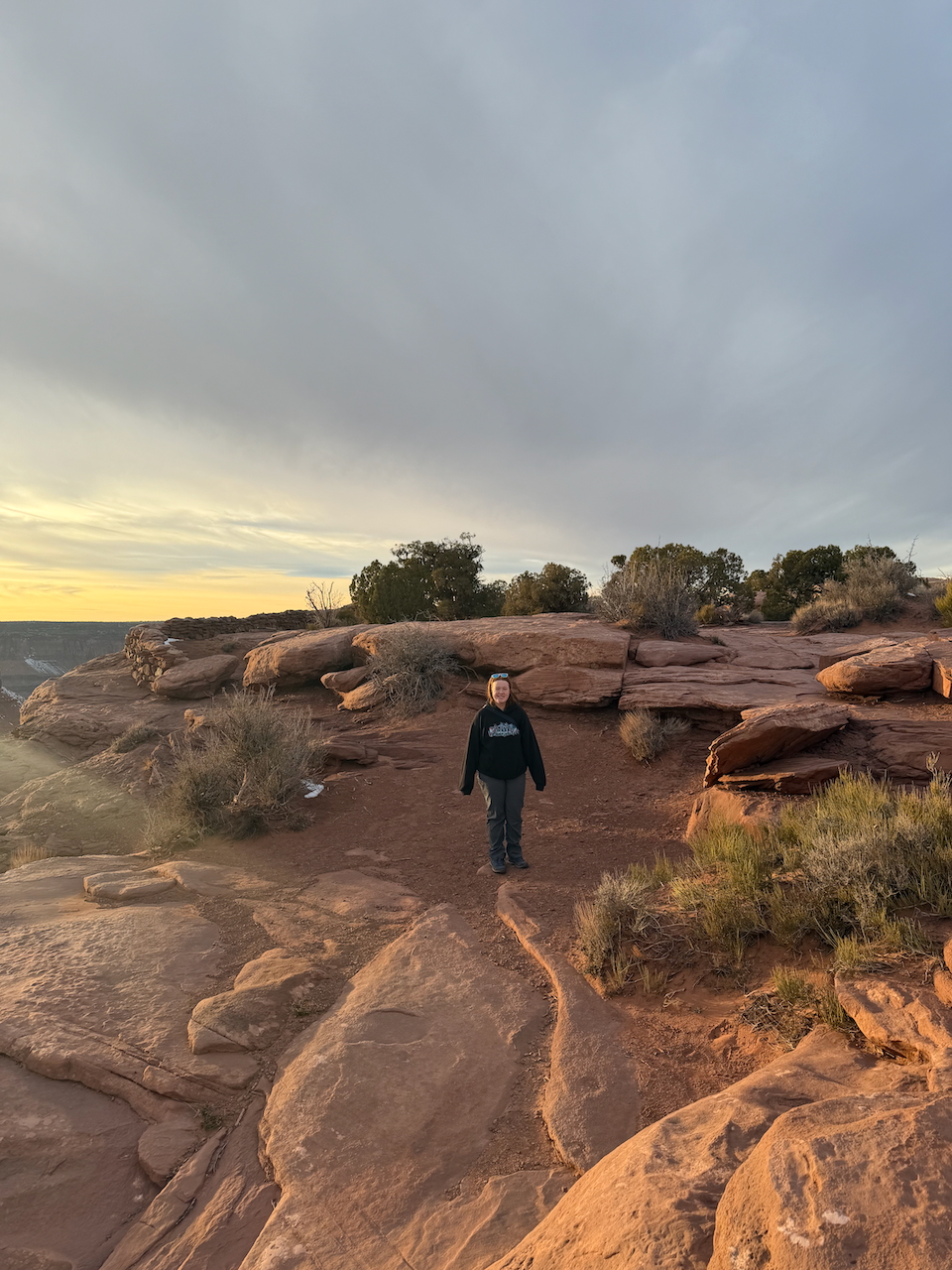
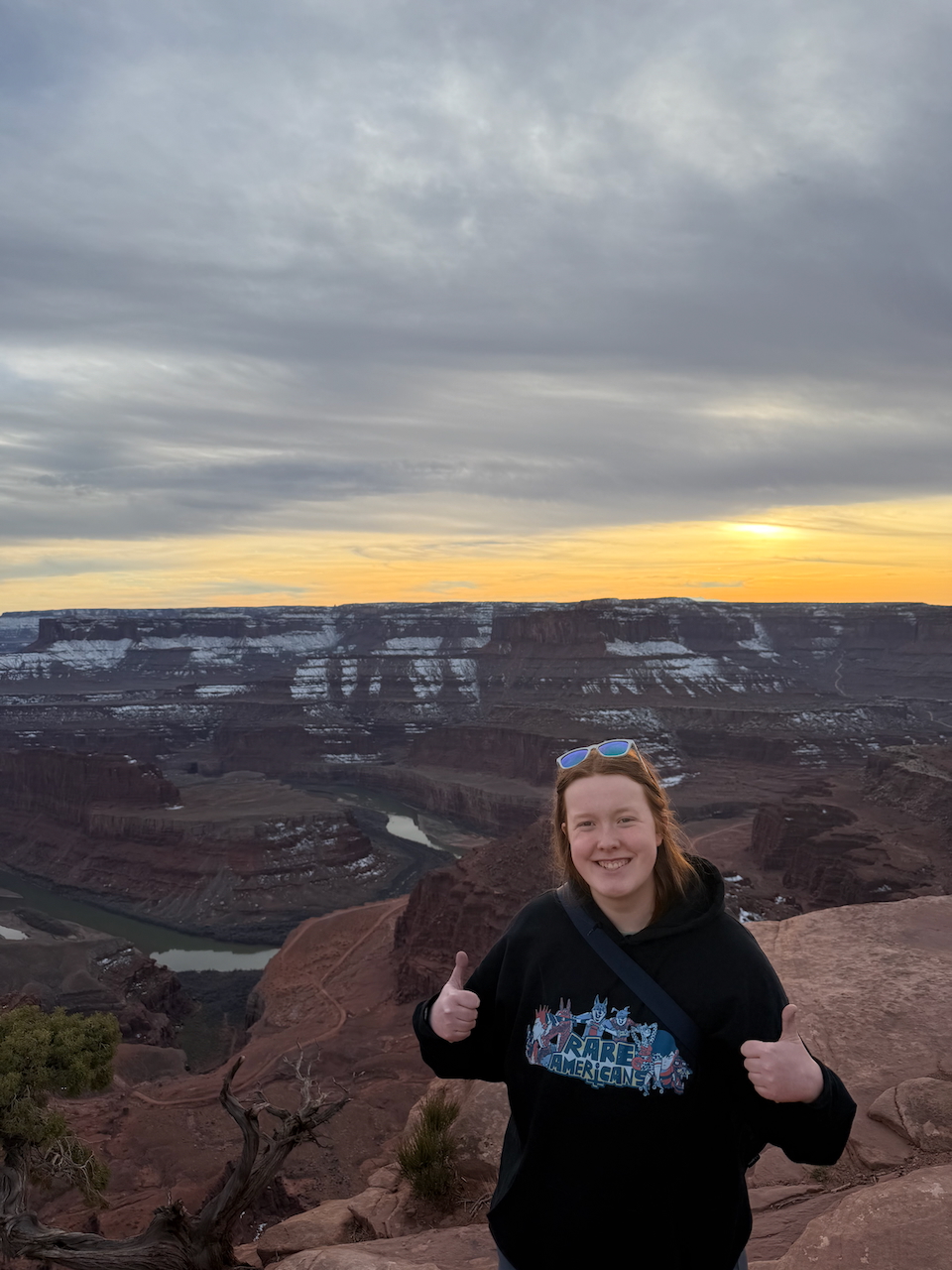
I was, however, able to make some stunning images of the La Sal Mountains overlooking the potash pools from Dead Horse Point. We had amazing clouds and light over the mountains, and that ended up being one of the better photographic moments of the Utah portion of the trip.
Overall, spending four days in Moab was a wonderful way to pass the week. On Thursday afternoon, we made the drive back to Salt Lake City and took a redeye home.
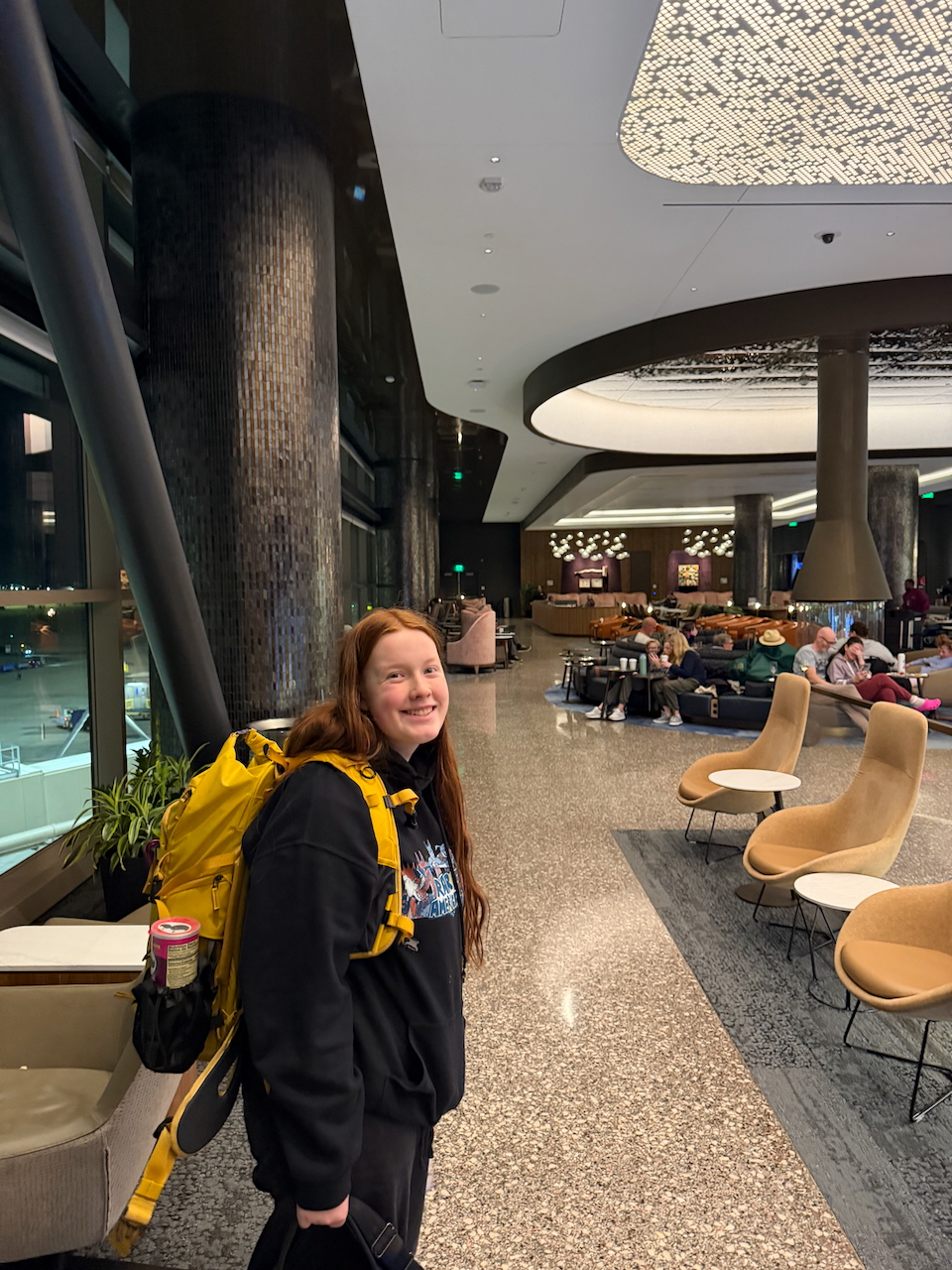
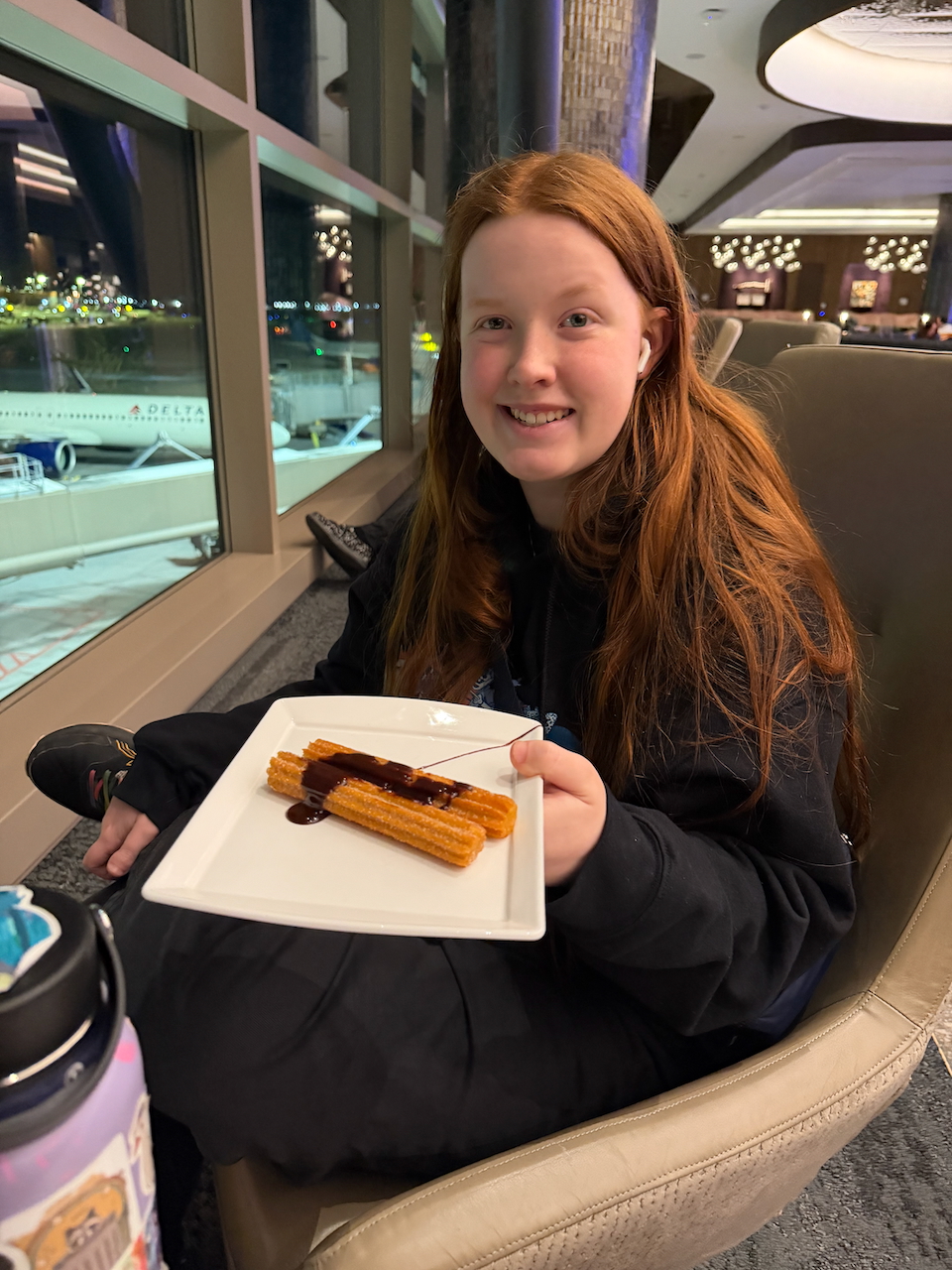
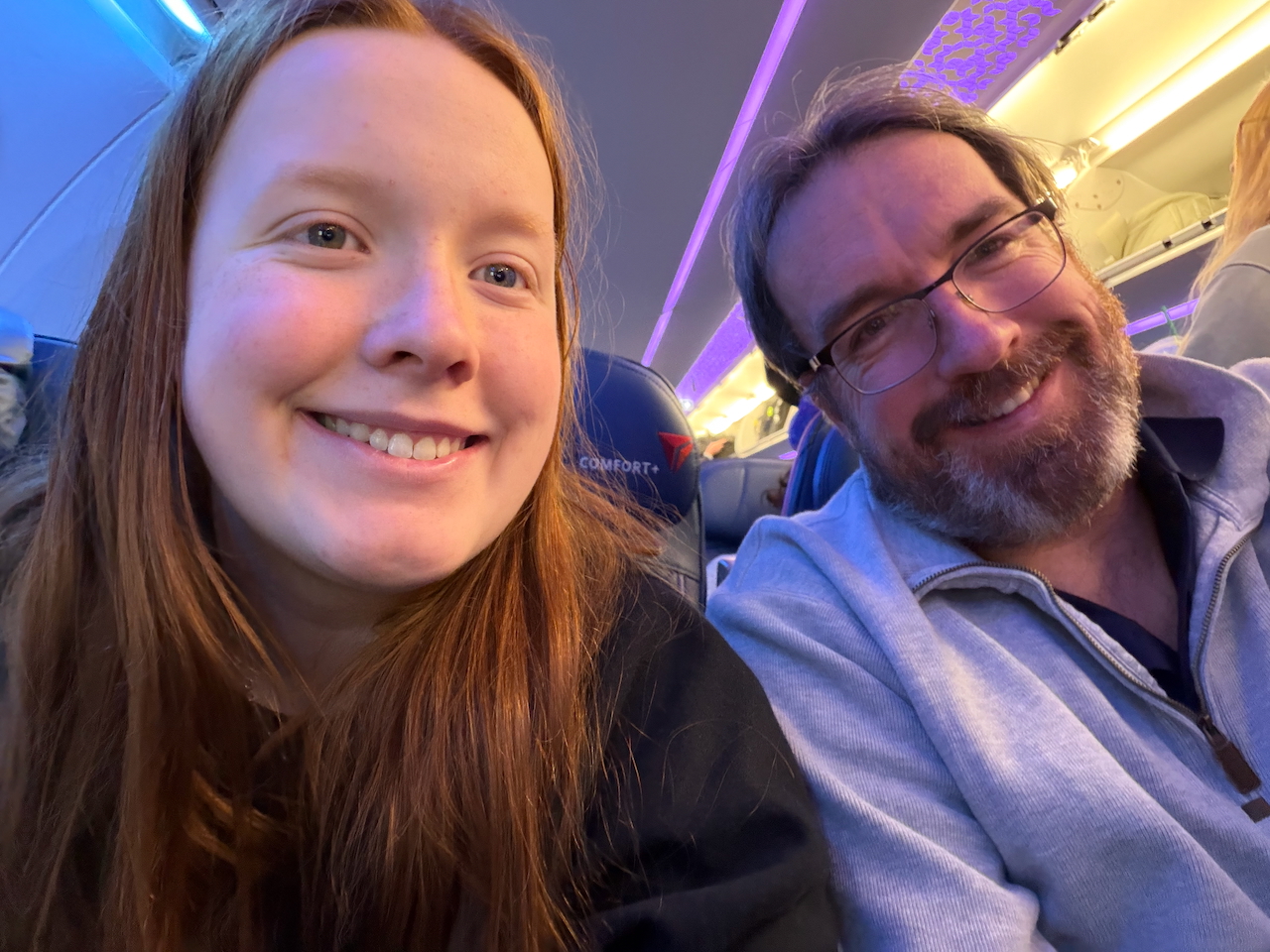
This was truly a trip full of adventure. It started as a straightforward plan to reach American Samoa and visit our 58th national park. It turned into Hawaii, American Samoa, a flooded hotel, a canceled flight, a surprise work week in Moab, and a few unexpected photographs I never would have made otherwise.
Honestly, that is about right for us.