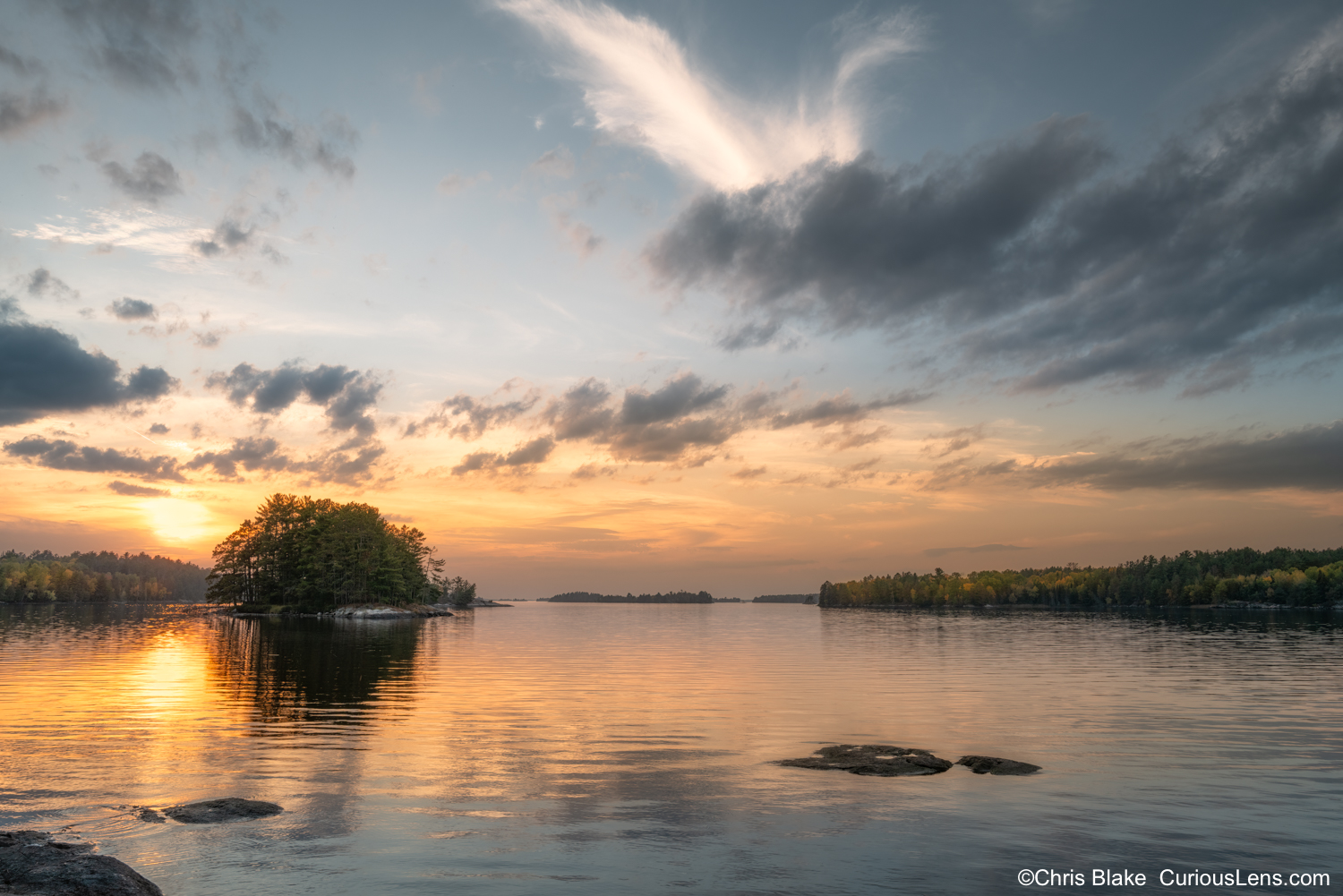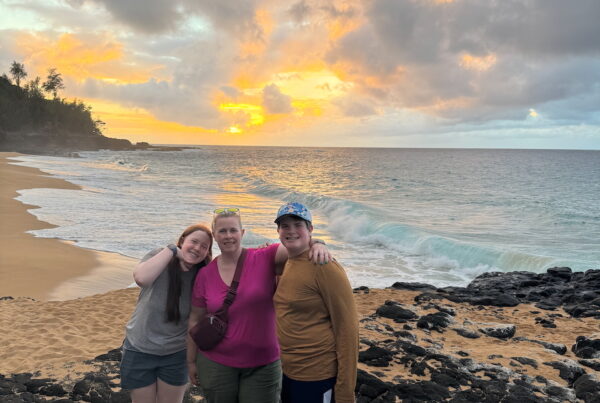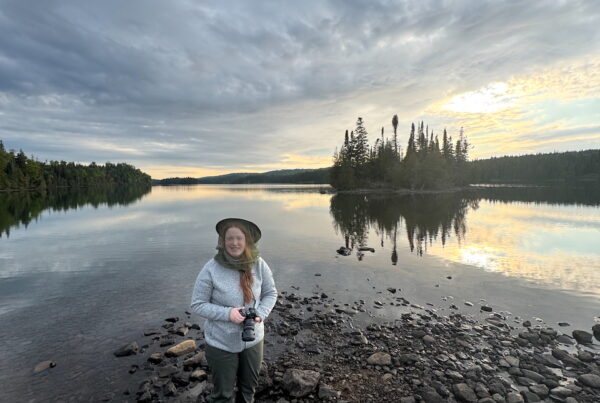

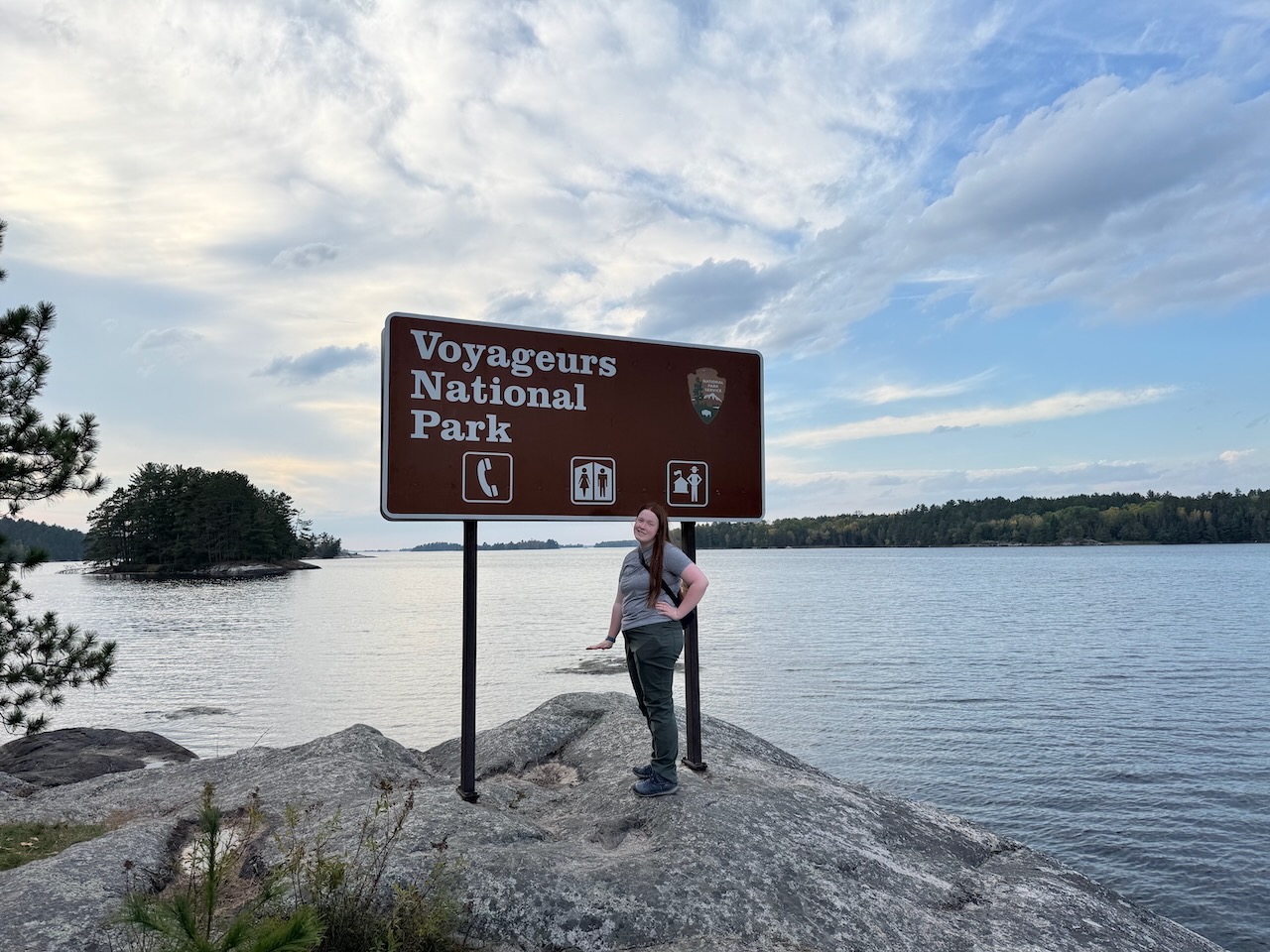
In September, at the peak of autumn color in northern Minnesota, Cameron and I headed north to visit Voyageurs National Park our 58th national park. We’d originally hoped to pair this with our Isle Royale trip earlier in the year, but timing never quite worked out. In the end, that turned out to be a gift: by waiting, we arrived at the very height of the fall foliage season.
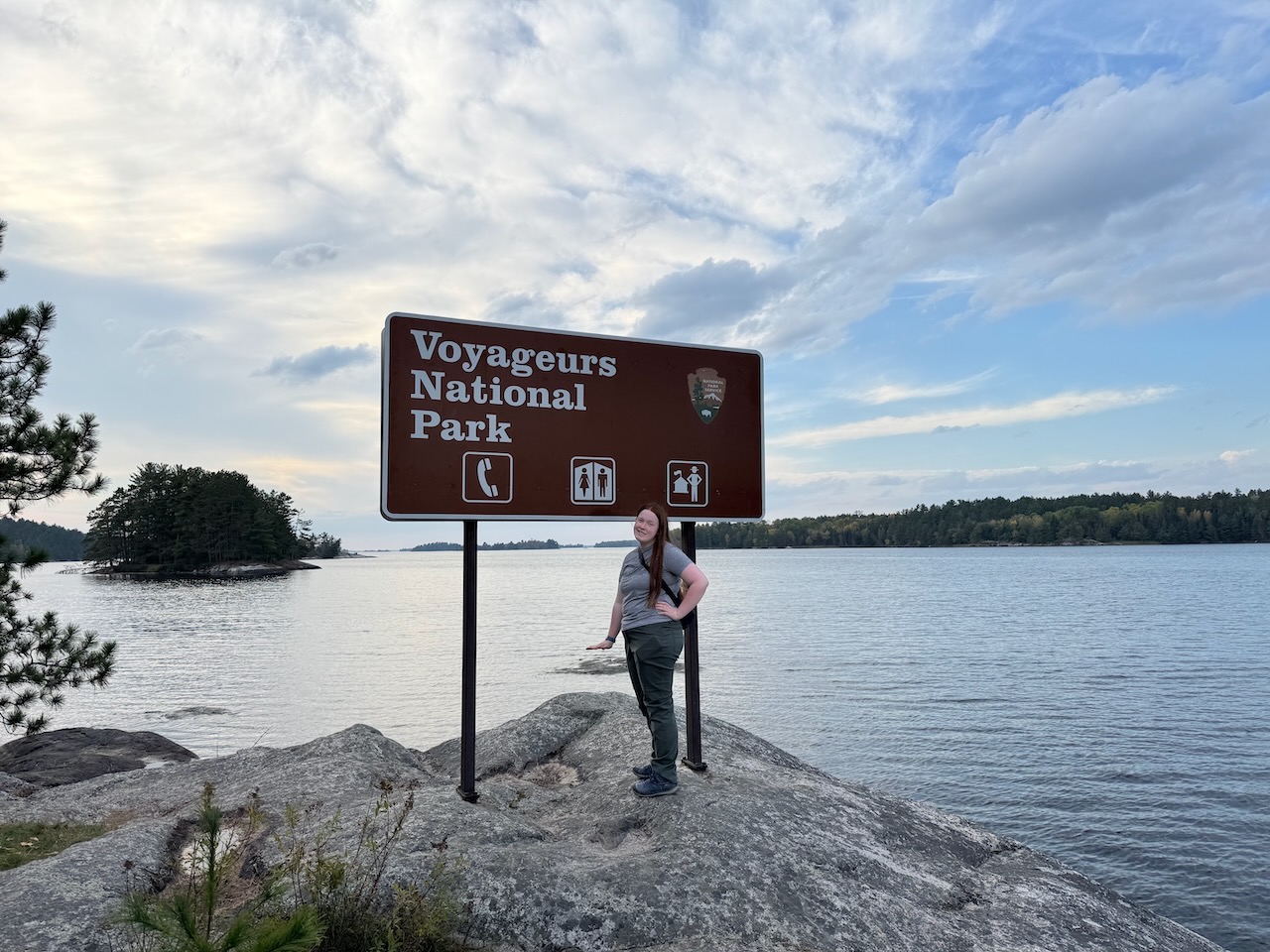
This trip felt touched by luck from the start. We caught the last weekend before many lodges and restaurants closed for the season, and nearly every place we visited was quiet, filled only with locals. It was a rare kind of calm that most travelers never get to see. Even the weather cooperated a few brief storms, but mostly warm, golden days and unseasonably mild nights.
Established in 1975, Voyageurs is Minnesota’s only national park, named for the French–Canadian fur traders who once paddled these same lakes and portages. It spans more than 218,000 acres of deep forest, rocky islands, and interlaced waterways near the Canadian border. The nearest town is International Falls, but most of the park lies far from any road. Its four great lakes Rainy, Kabetogama, Namakan, and Sand Point form an immense maze of channels and coves. The vast majority of the park is accessible only by boat, which makes it one of the few truly water-based parks in the National Park System.
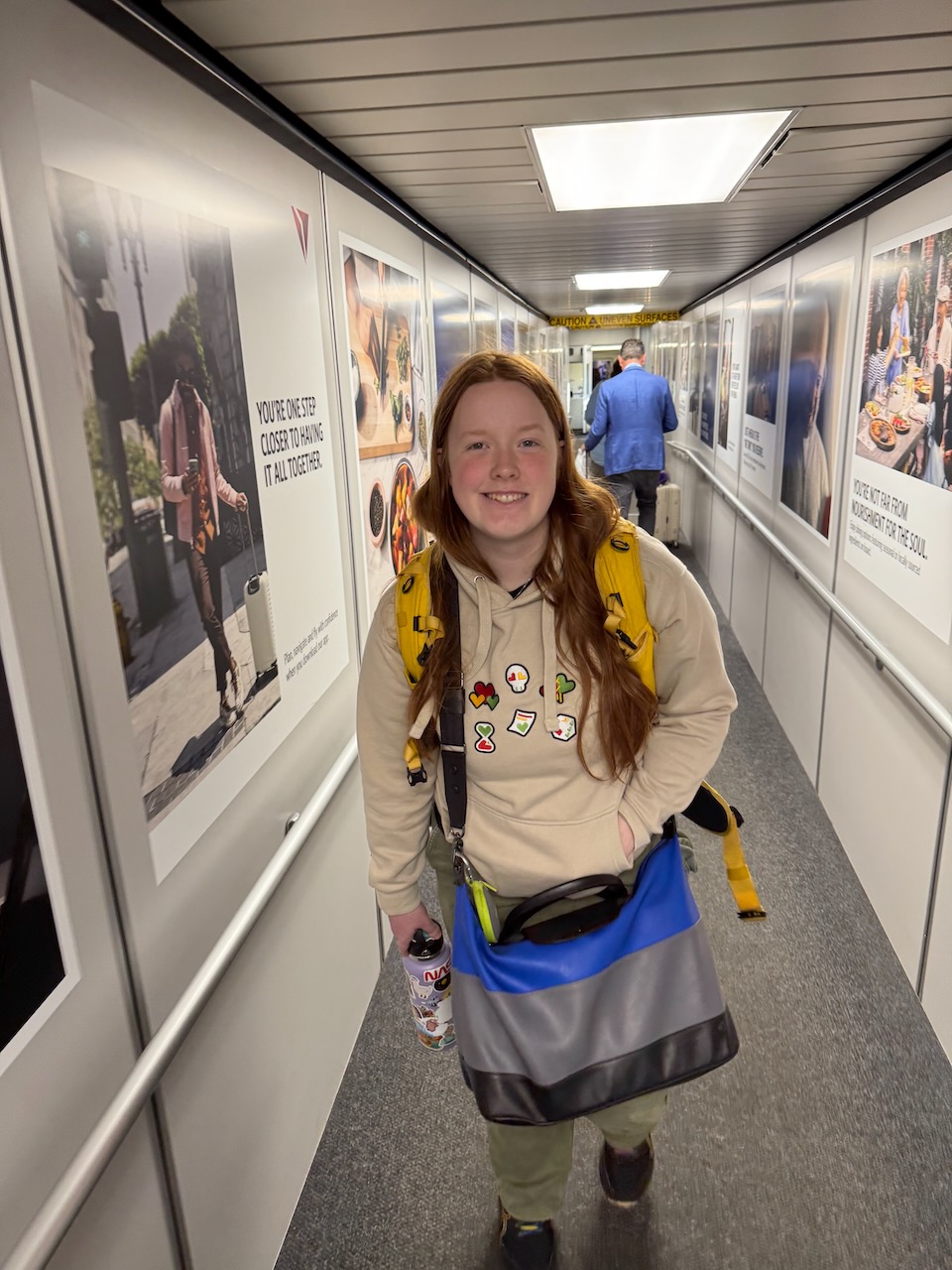
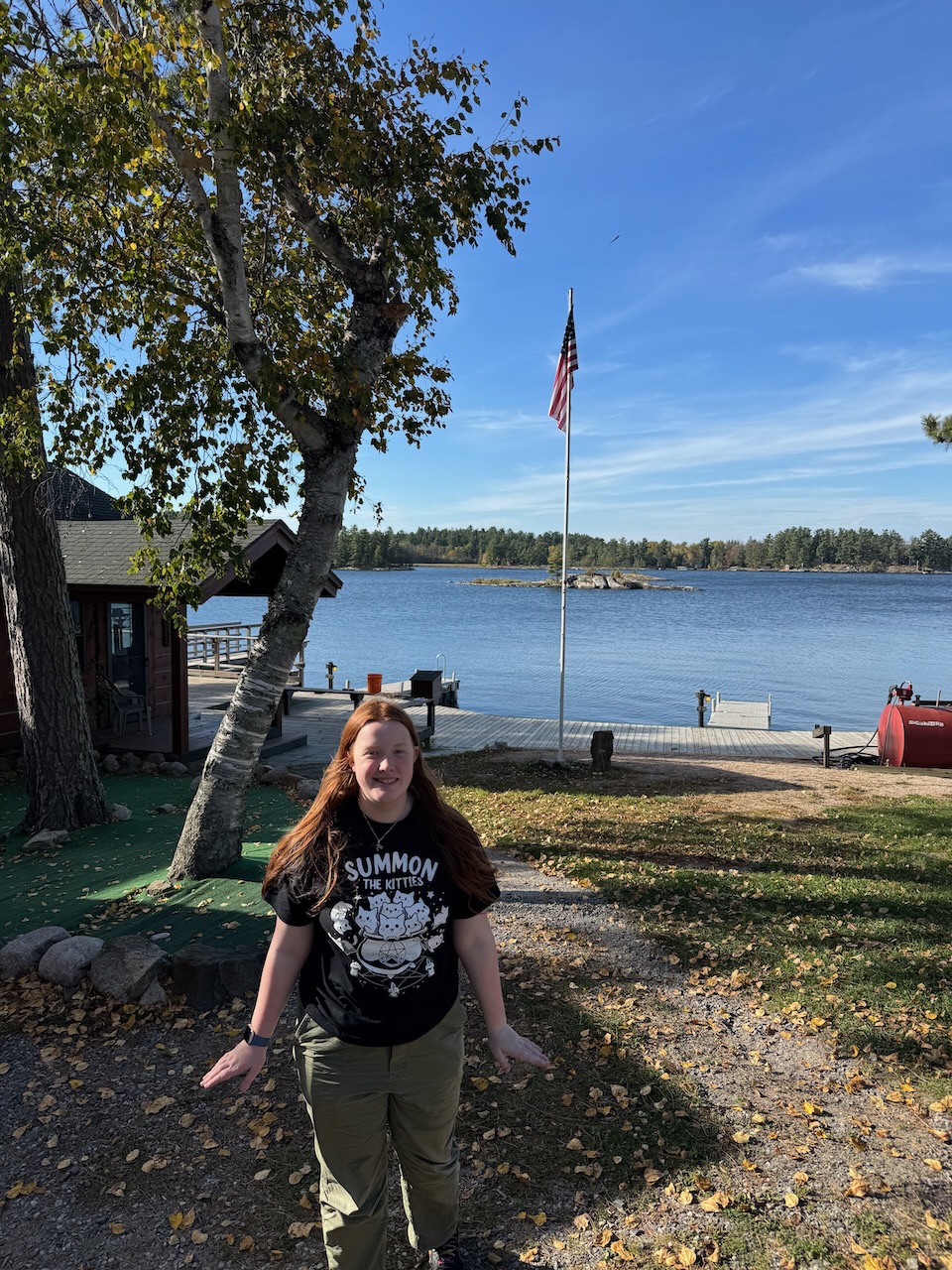
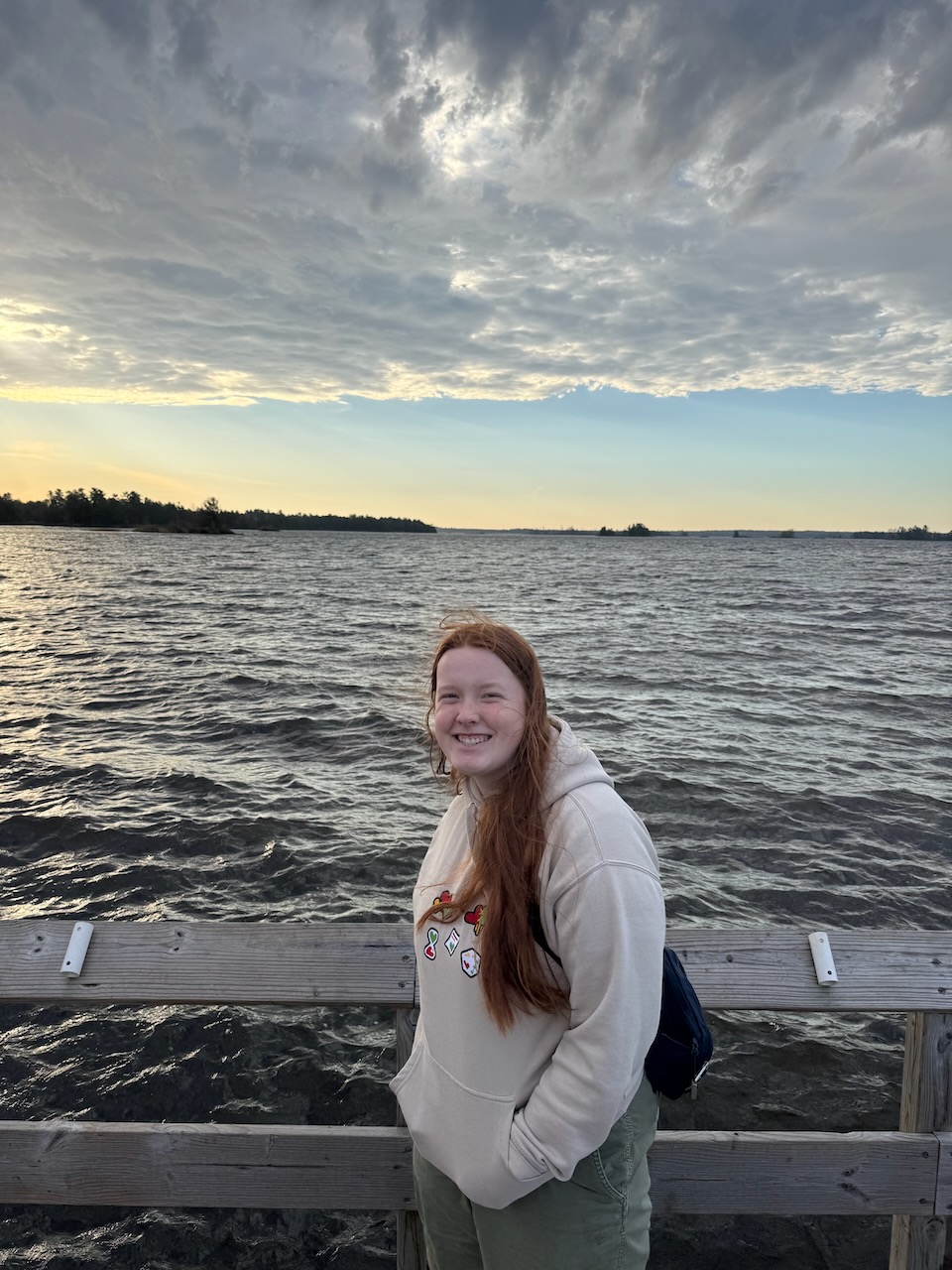
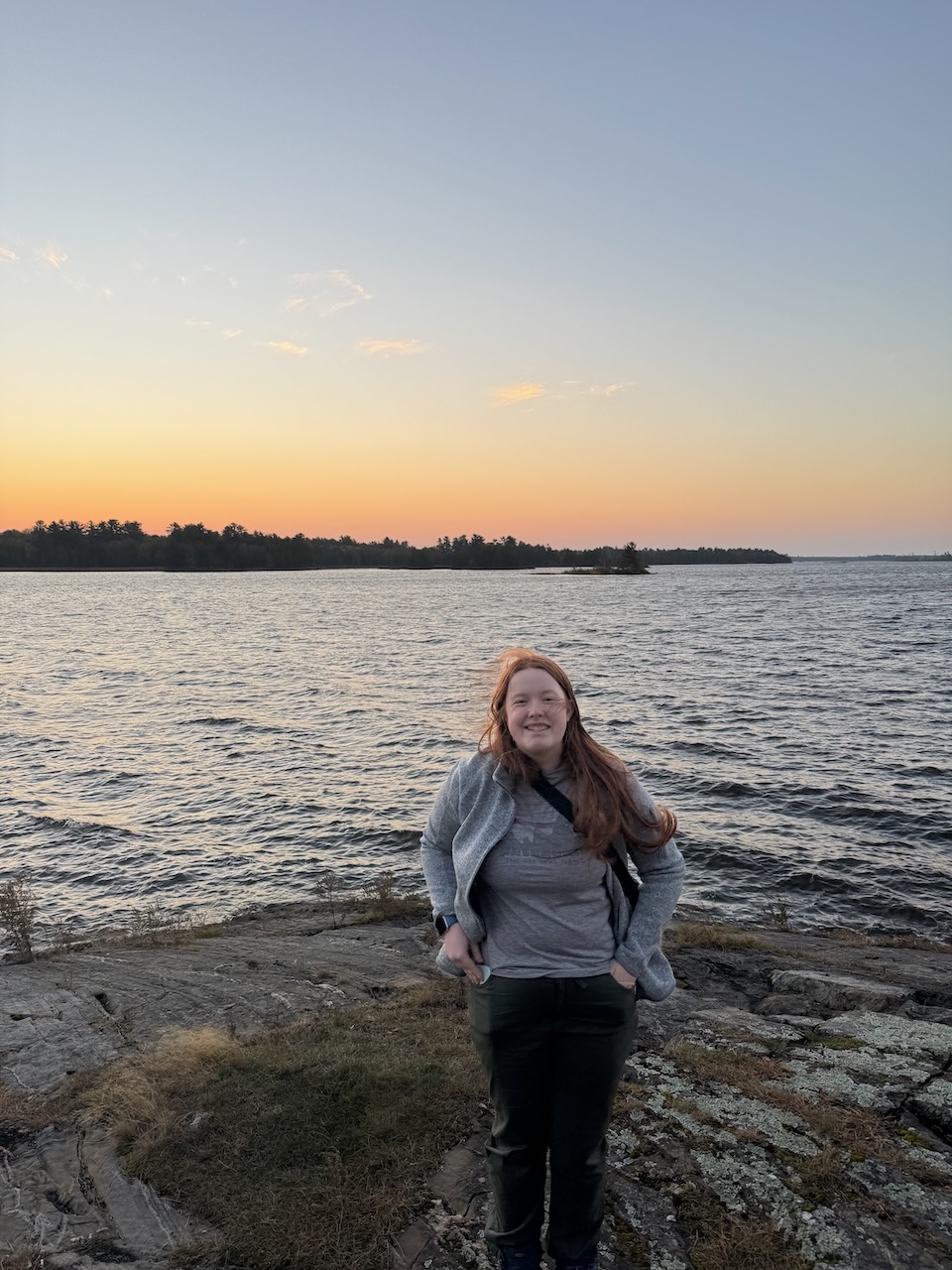
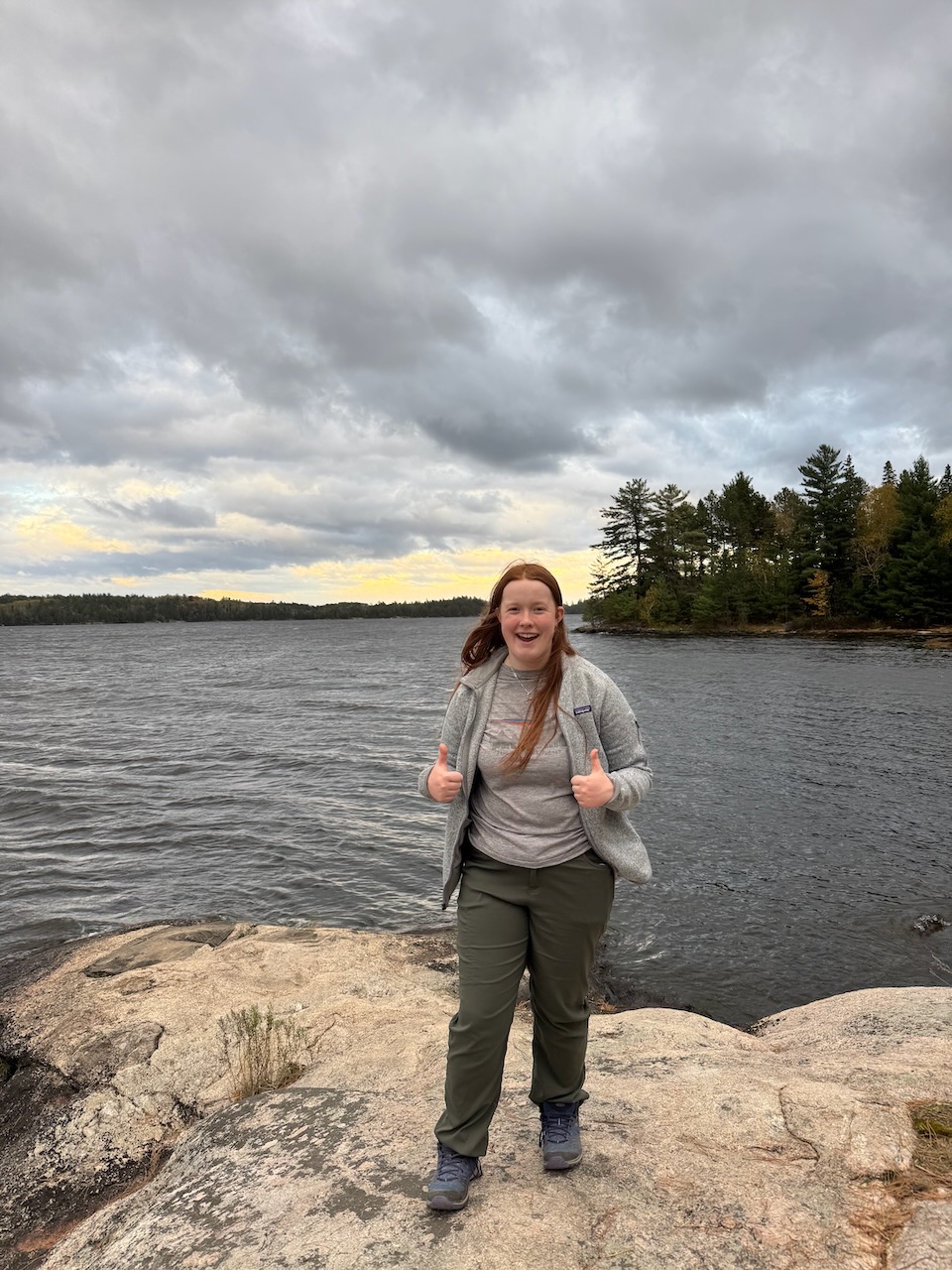
We had planned to kayak, but the winds made that impossible. While the sun was out, the main lakes were rough, with white-capped waves and strong gusts that turned the water into a restless sheet of motion. So instead of setting out across open water, we explored from the shorelines hiking, climbing over granite outcrops, and finding quiet places to watch the light change.
The area’s history stretches back nearly 10,000 years. Early Paleo-Indian peoples arrived after the glaciers retreated from what was once glacial Lake Agassiz. Later, the Ojibwe and other tribes thrived here on the rich fisheries and wildlife. When European explorers reached the region in the late 1600s, it became a center of the fur trade a network of rivers and portages linking Lake Superior with the Hudson Bay watershed. The park’s name honors those early voyageurs, who carried trade goods and furs through these wild waterways by birch-bark canoe.
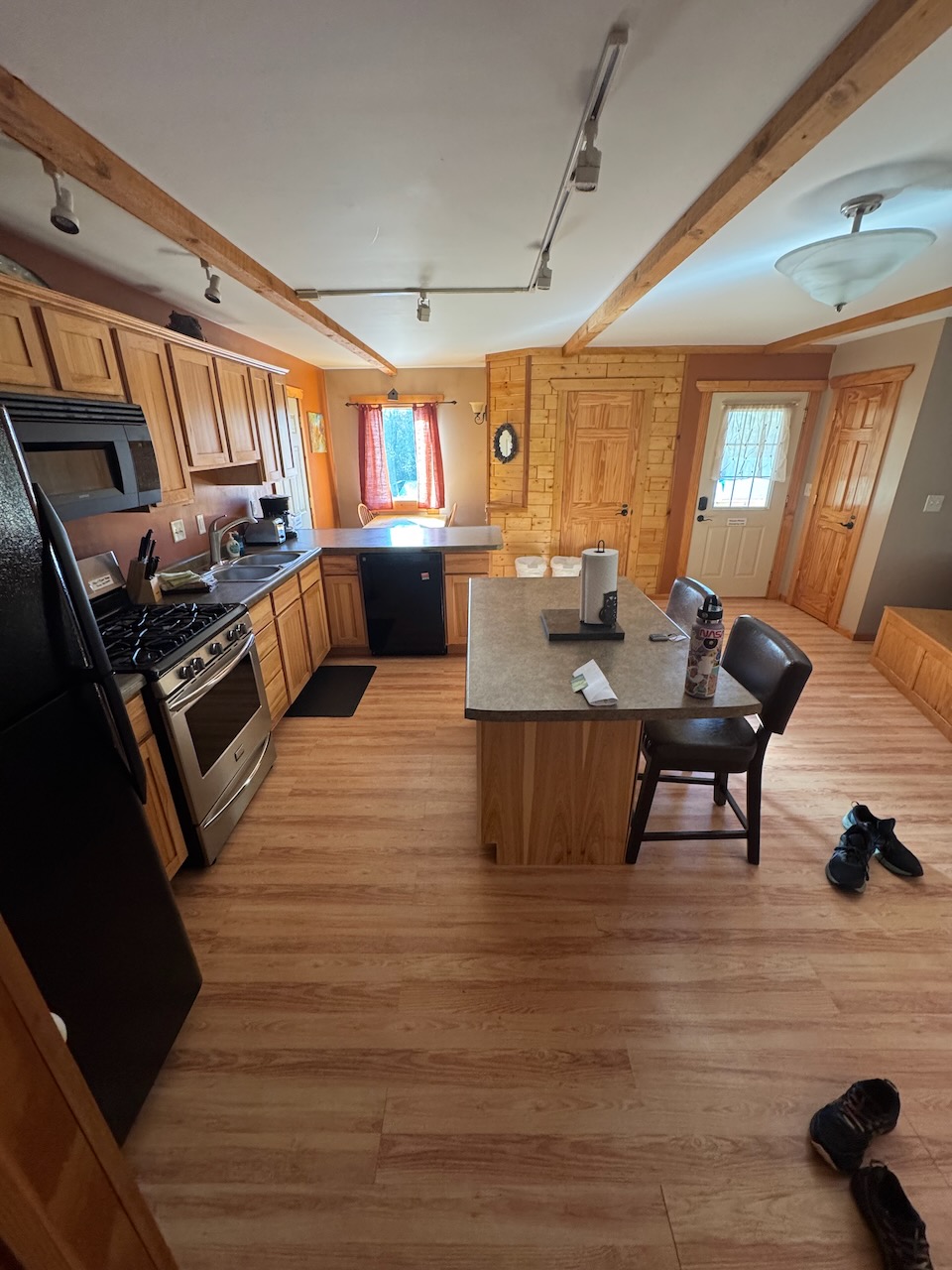
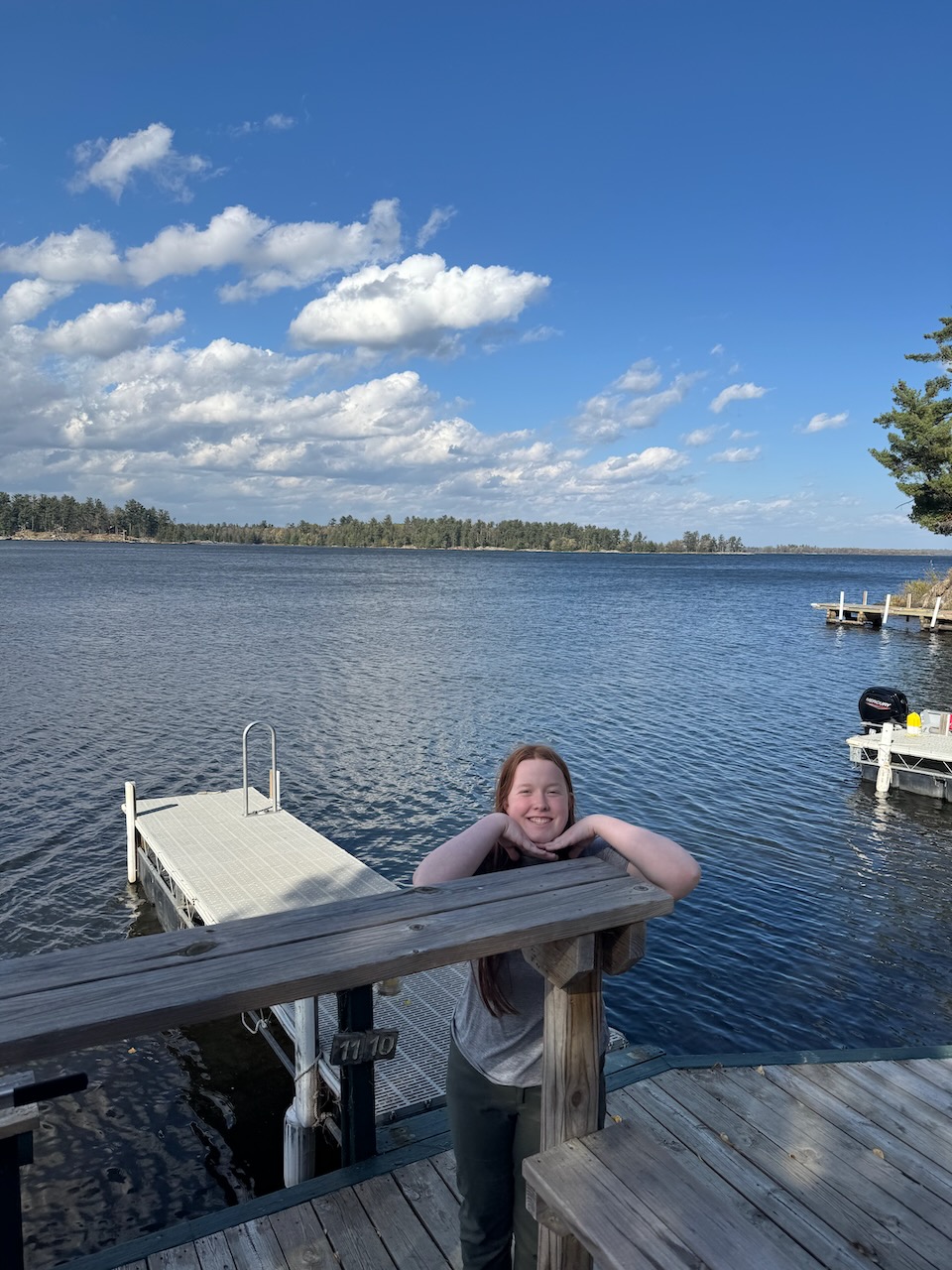
Like some of the eastern parks, Voyageurs is a patchwork of public and private lands. Small communities and family-run resorts line the edges of the lakes. We stayed at Northern Lights Resort and Outfitting on Lake Kabetogama an easygoing, family-run spot with cozy cabins and a view straight across the water. With only one or two other guests in the entire resort, it felt like having the lake to ourselves. We lost power one afternoon during a storm, but that’s just life this far north.
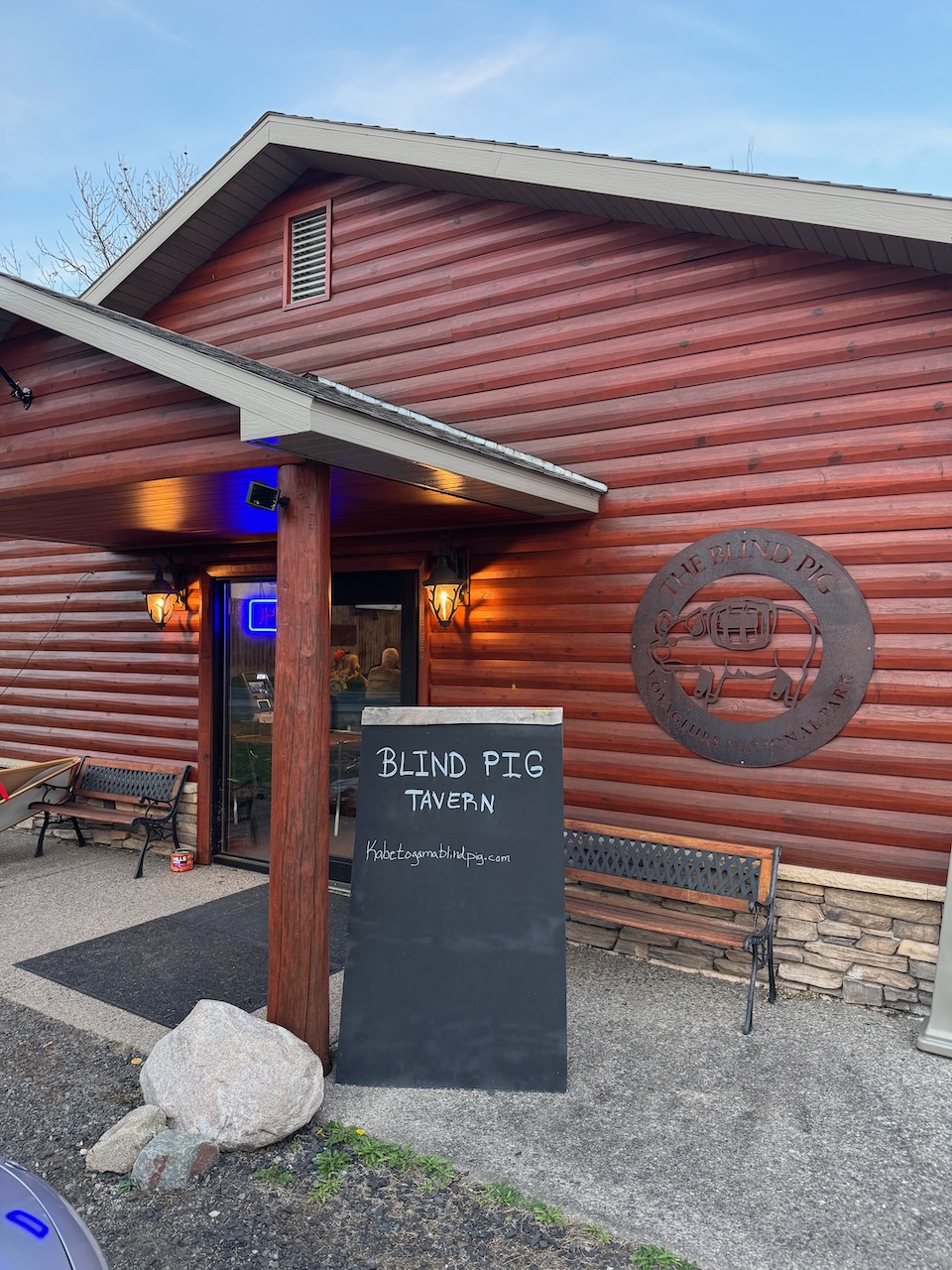
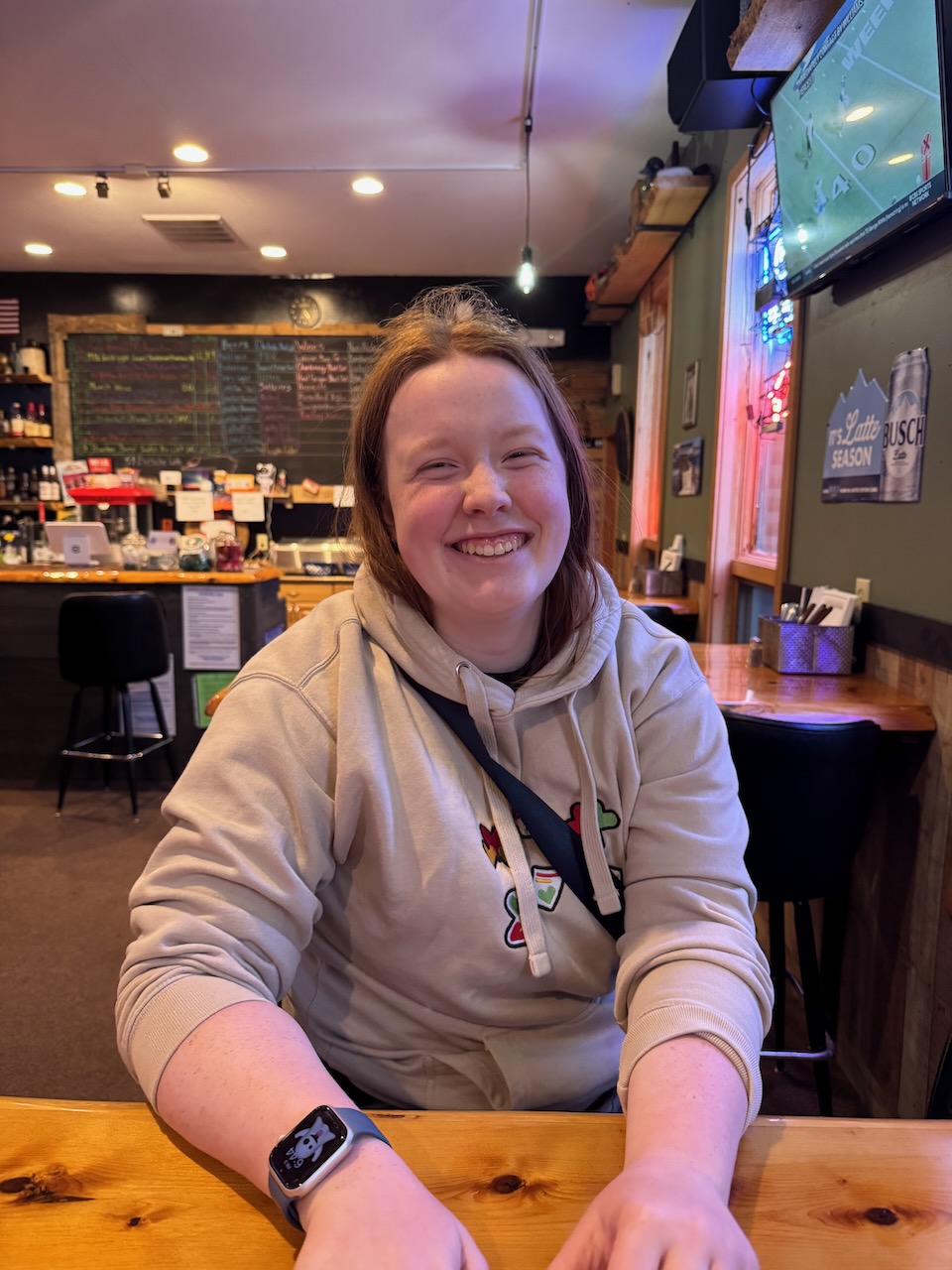
International Falls was about forty-five minutes away, where we stocked up on groceries and supplies. We kept most of our meals simple, cooking in the cabin or visiting one of the local spots nearby. Our favorite was The Blind Pig, a small bar and restaurant filled with regulars. On our first night, the place went silent when I walked in — until someone shouted, “You’re really tall!” (At 6′9″, it’s a fair observation.) By the end of the night we’d made friends, shared stories, and confirmed that we might be the only tourists left in town.
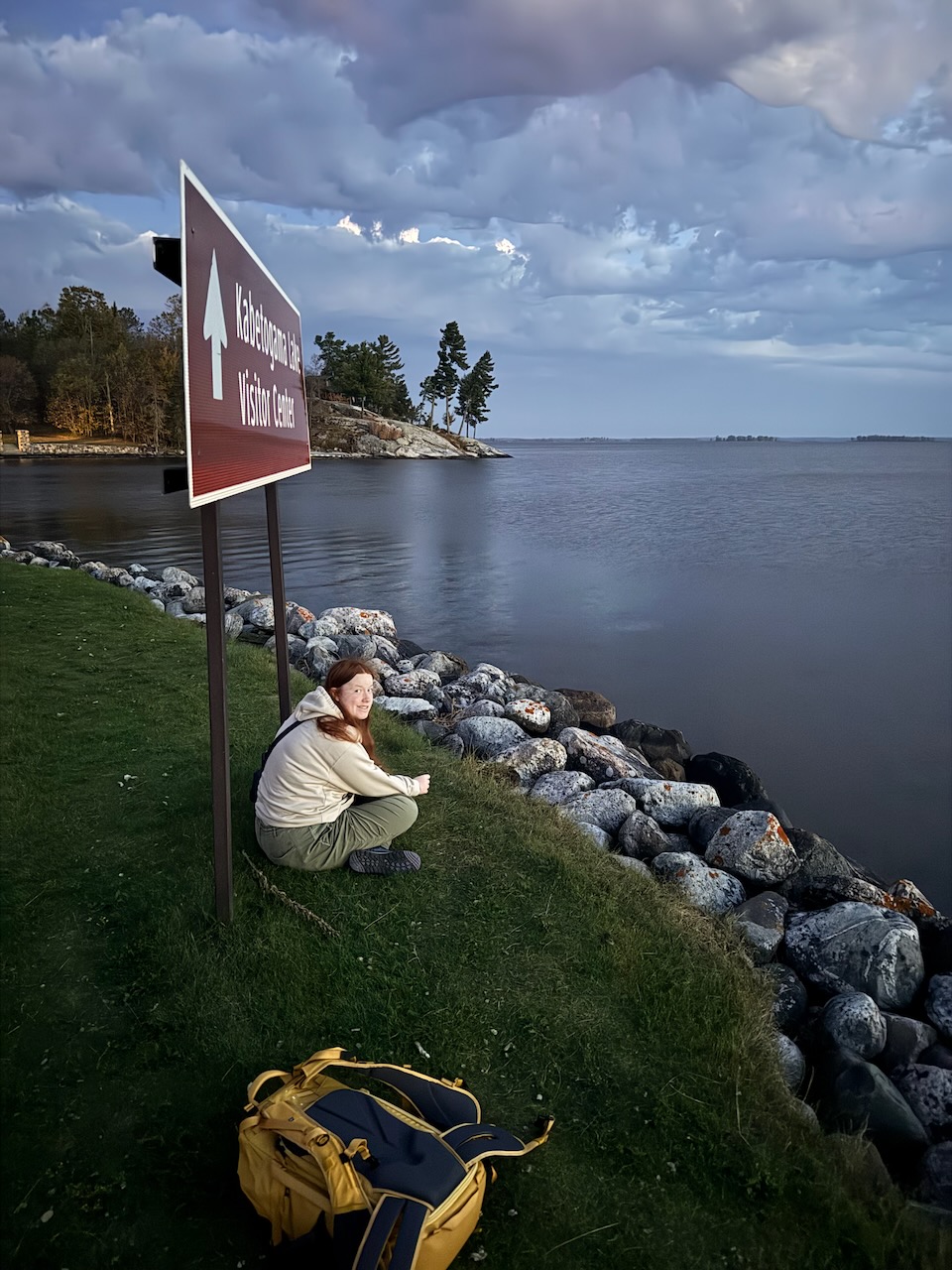
With the water too rough for boating, we focused our days around the park’s three main visitor areas: Rainy Lake, Kabetogama Lake, and Ash River. Each one offers trails, overlooks, and access to the shoreline. We spent most mornings and evenings chasing light wandering along docks, breakwaters, and rocky points waiting for the sun to crest or fade.
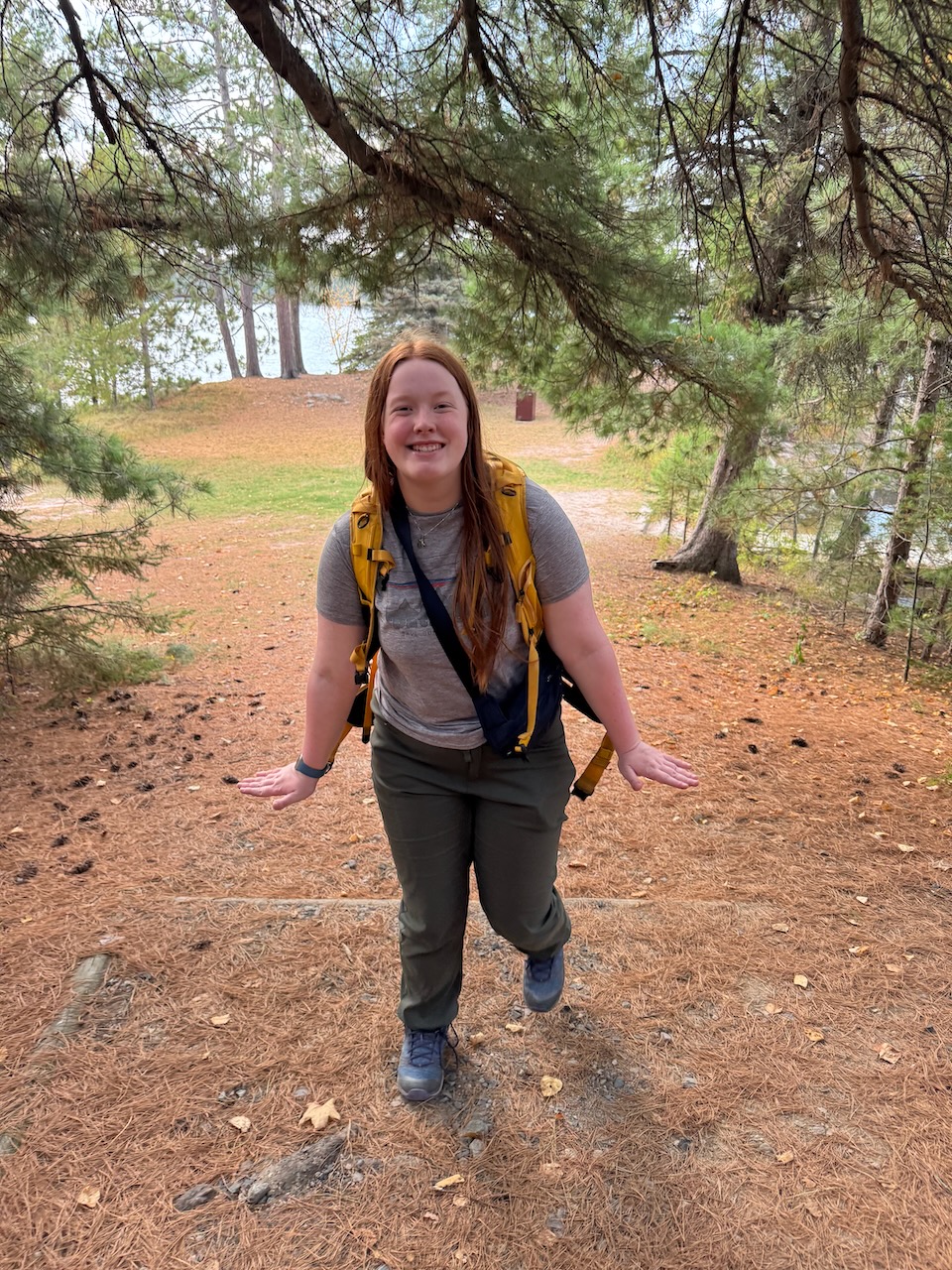
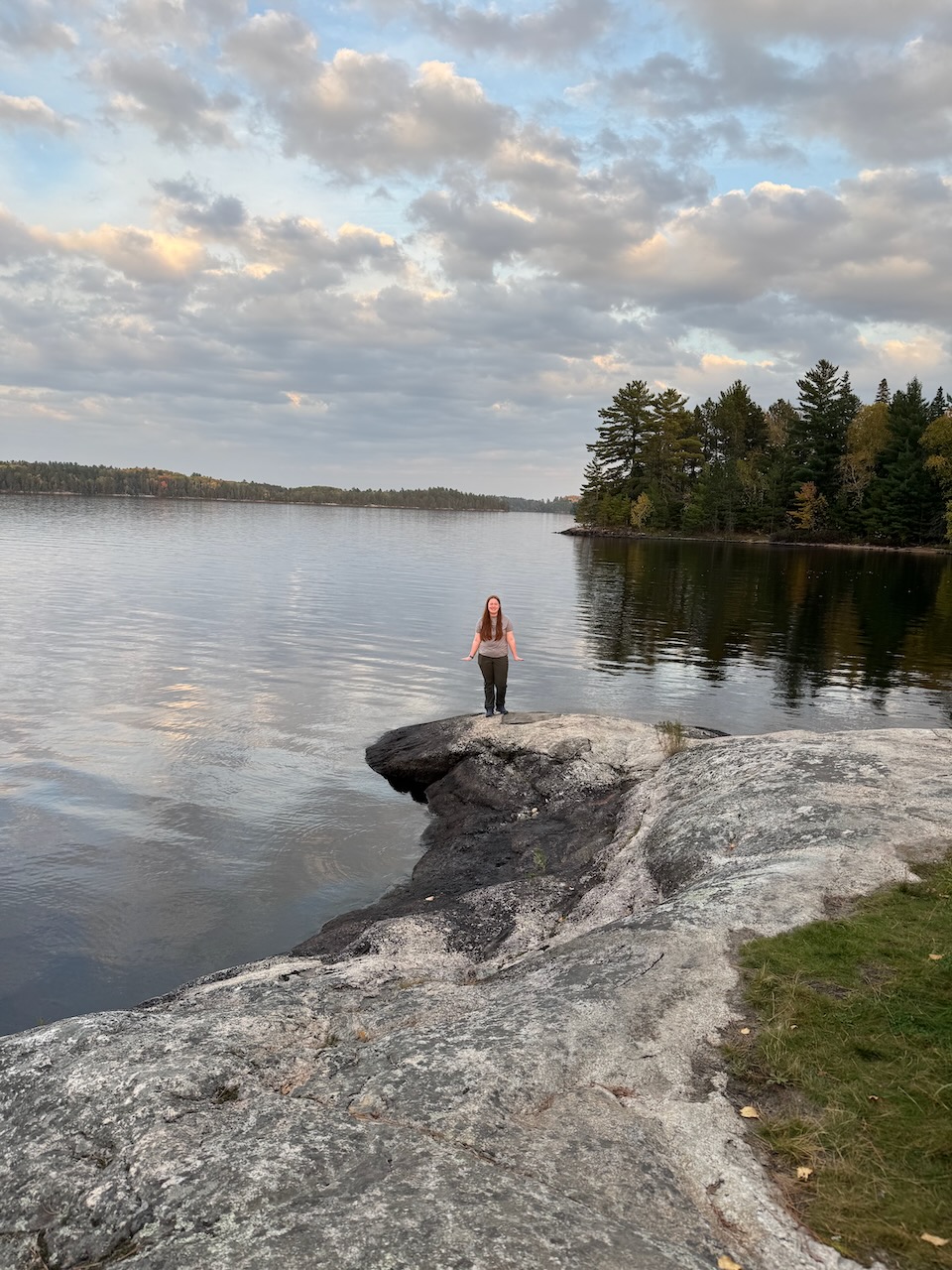
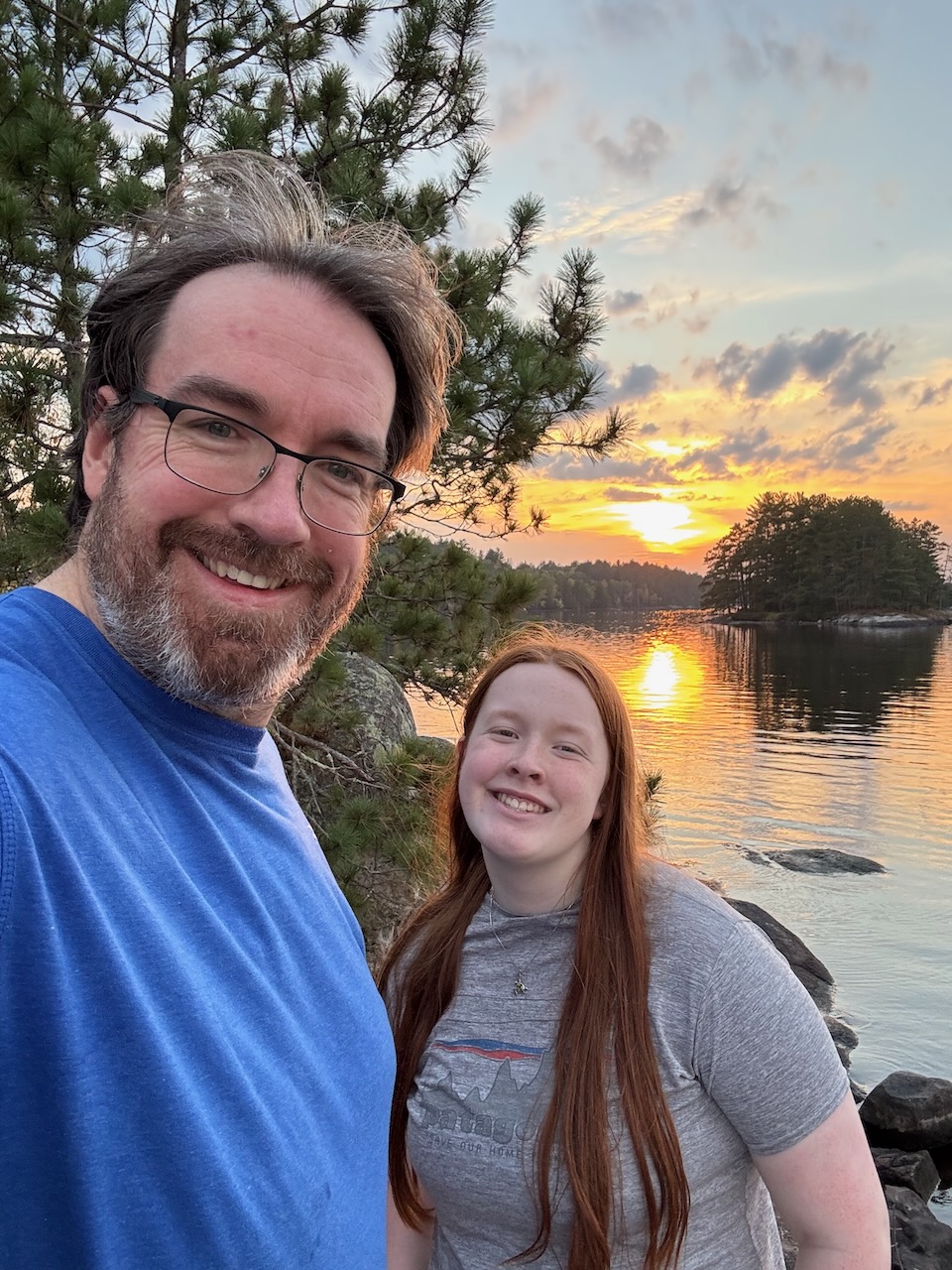
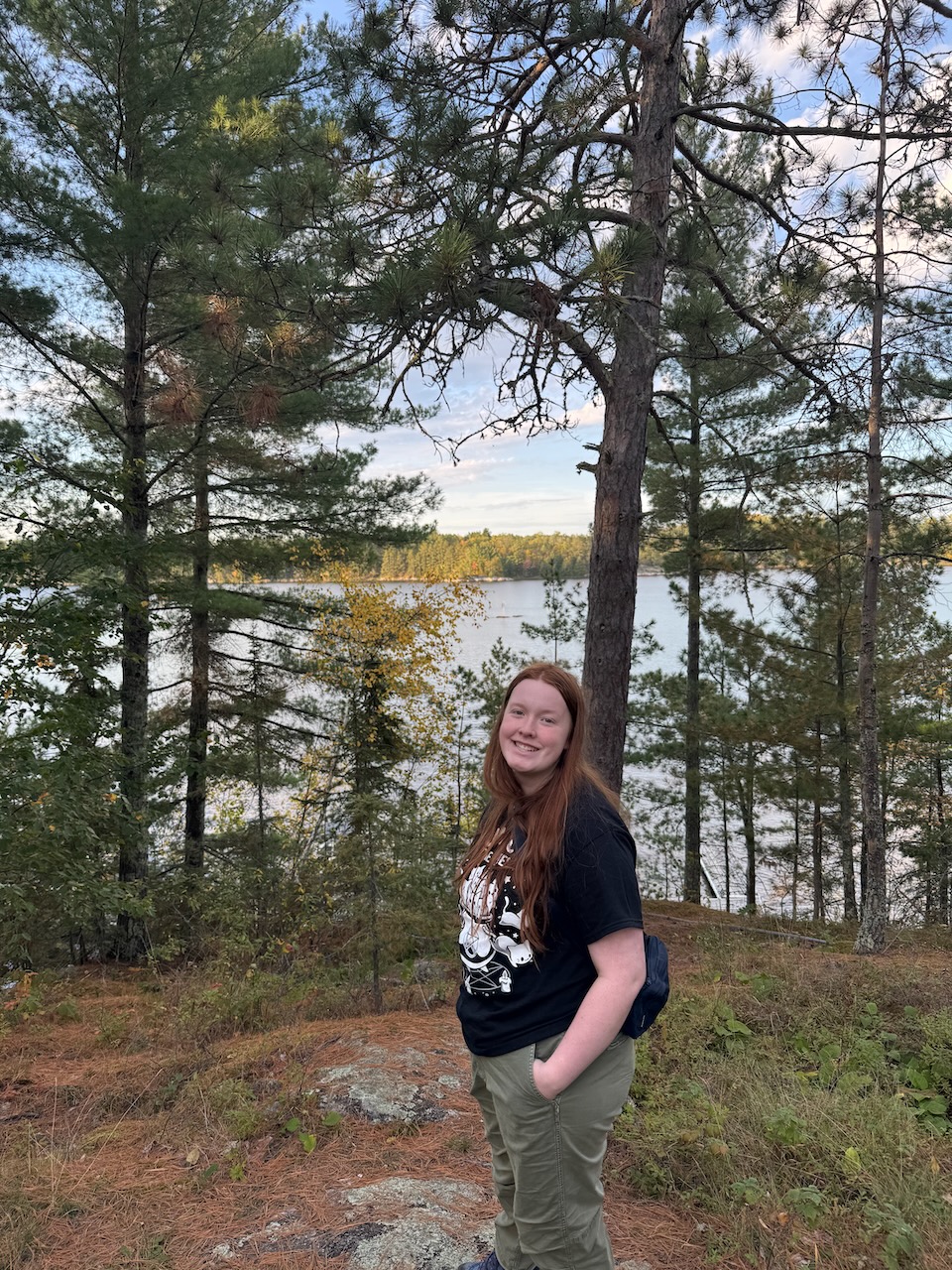
The Ash River area became our favorite. A short path leads down through the woods to a stretch of massive lakeside rocks, perfect for sitting and watching the sunset. During the day we explored the forest trails that wind away from the lake. The combination of golden birch, red maple, and dark pine made the colors almost unreal, mirrored perfectly in the still coves between bursts of wind.
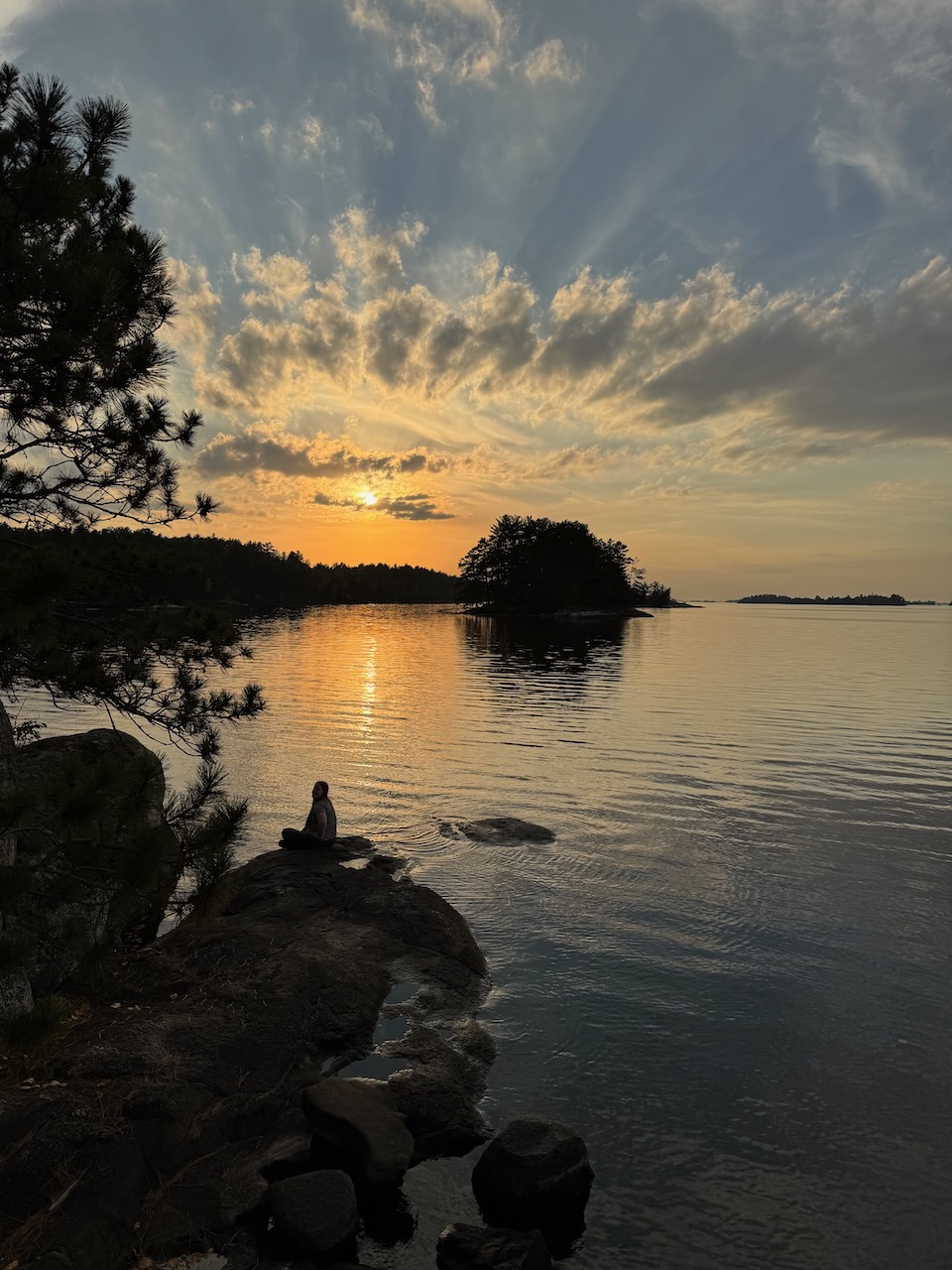
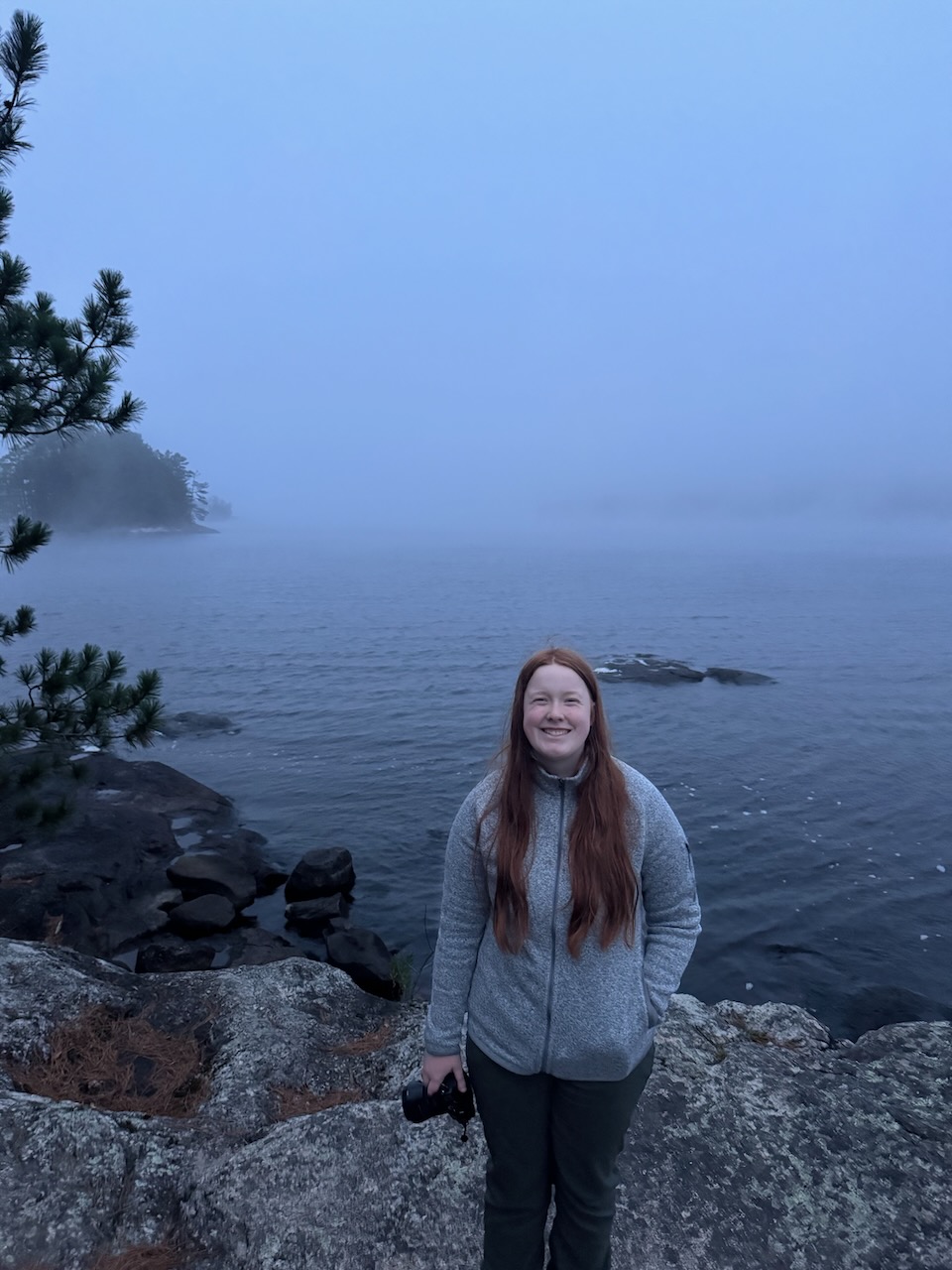
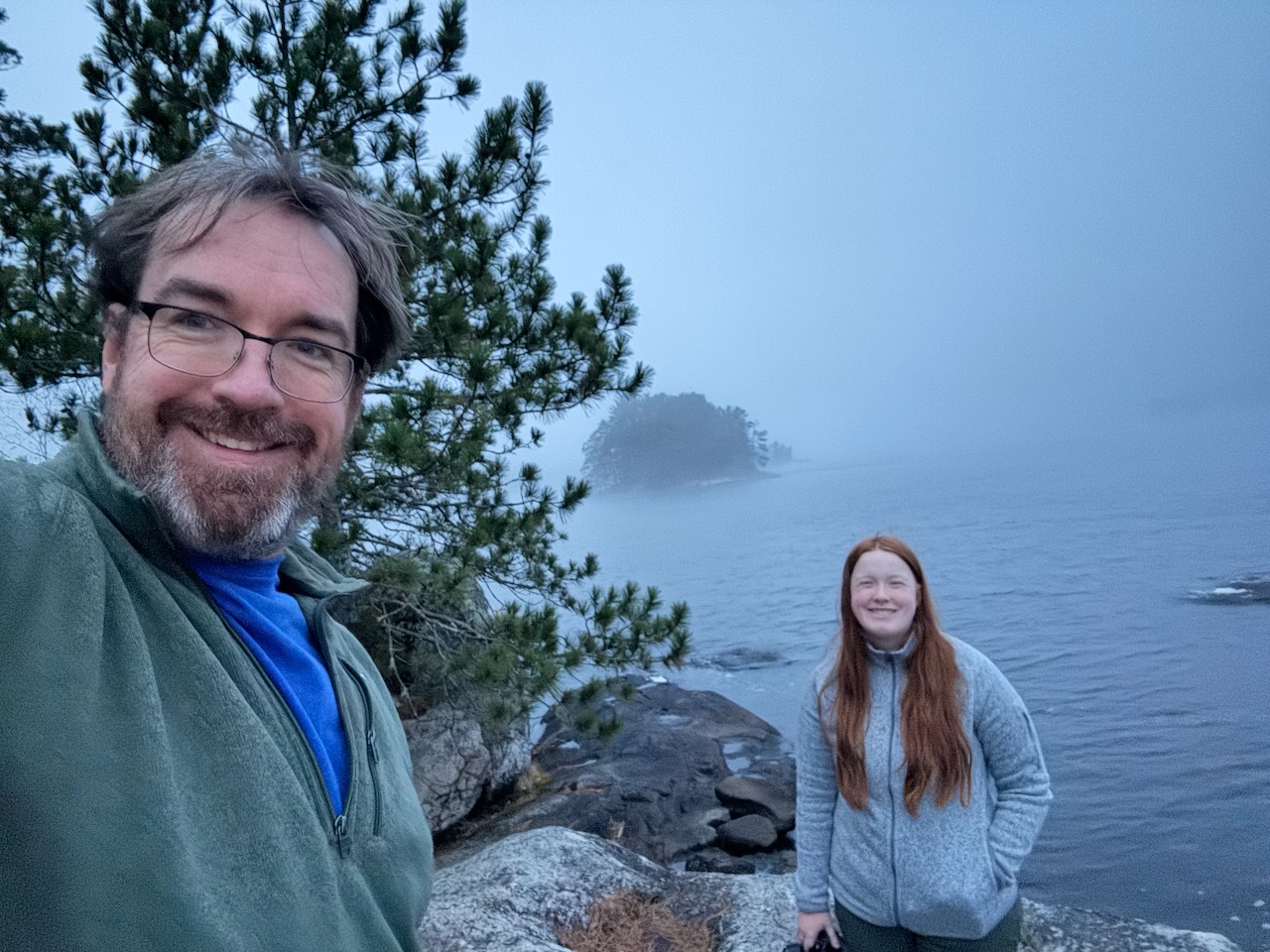
Weather in Voyageurs can change in minutes. One morning, while standing at the end of the Kabetogama breakwater, a thunderstorm drifted across the lake far enough away to be safe, close enough to feel its power. The flashes lit up the clouds over the open water, an incredible show of light and scale. On our final evening, another storm swept through Ash River, bringing high winds and a thick fog that swallowed everything until the lake disappeared into pure white.
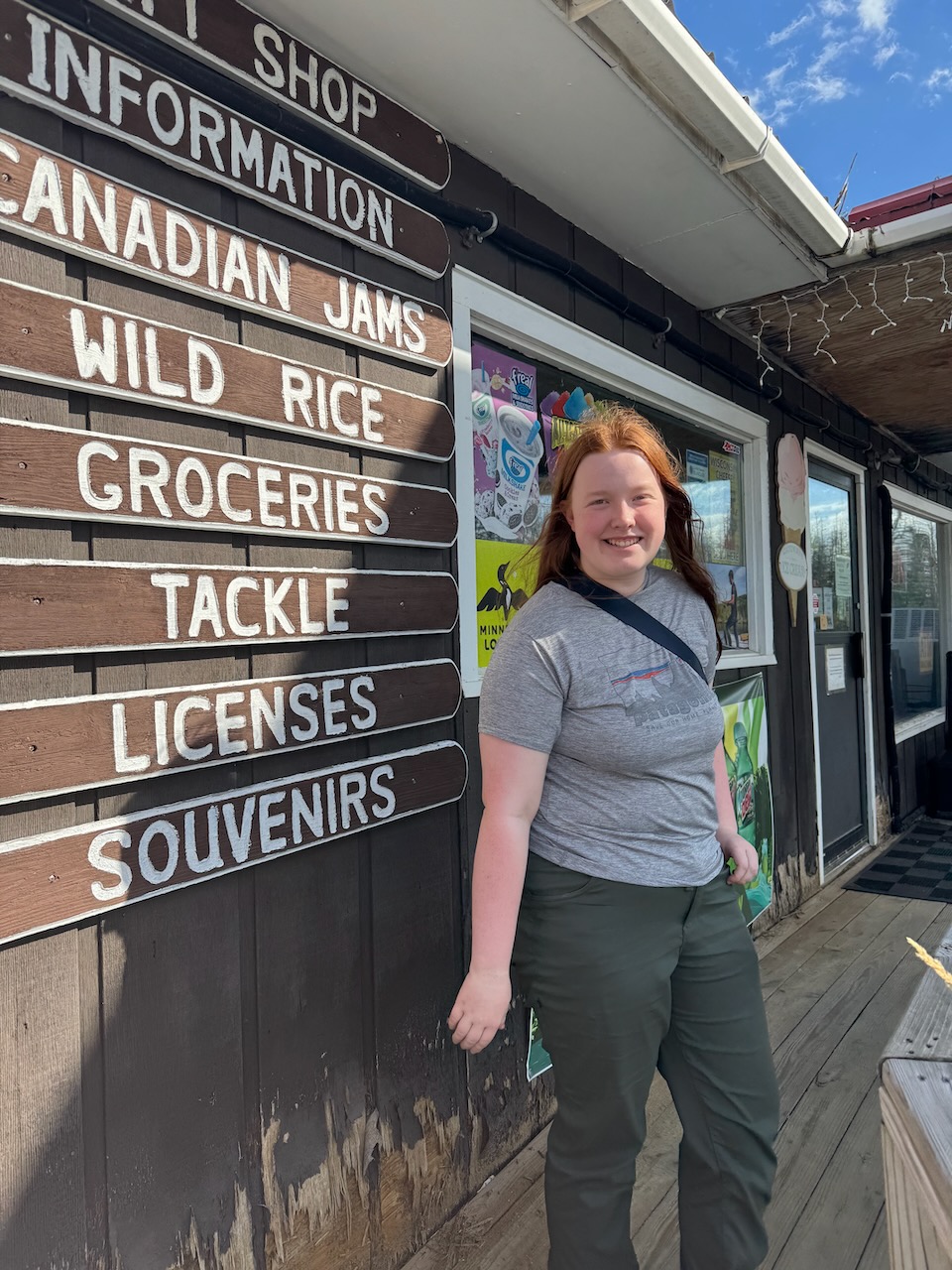
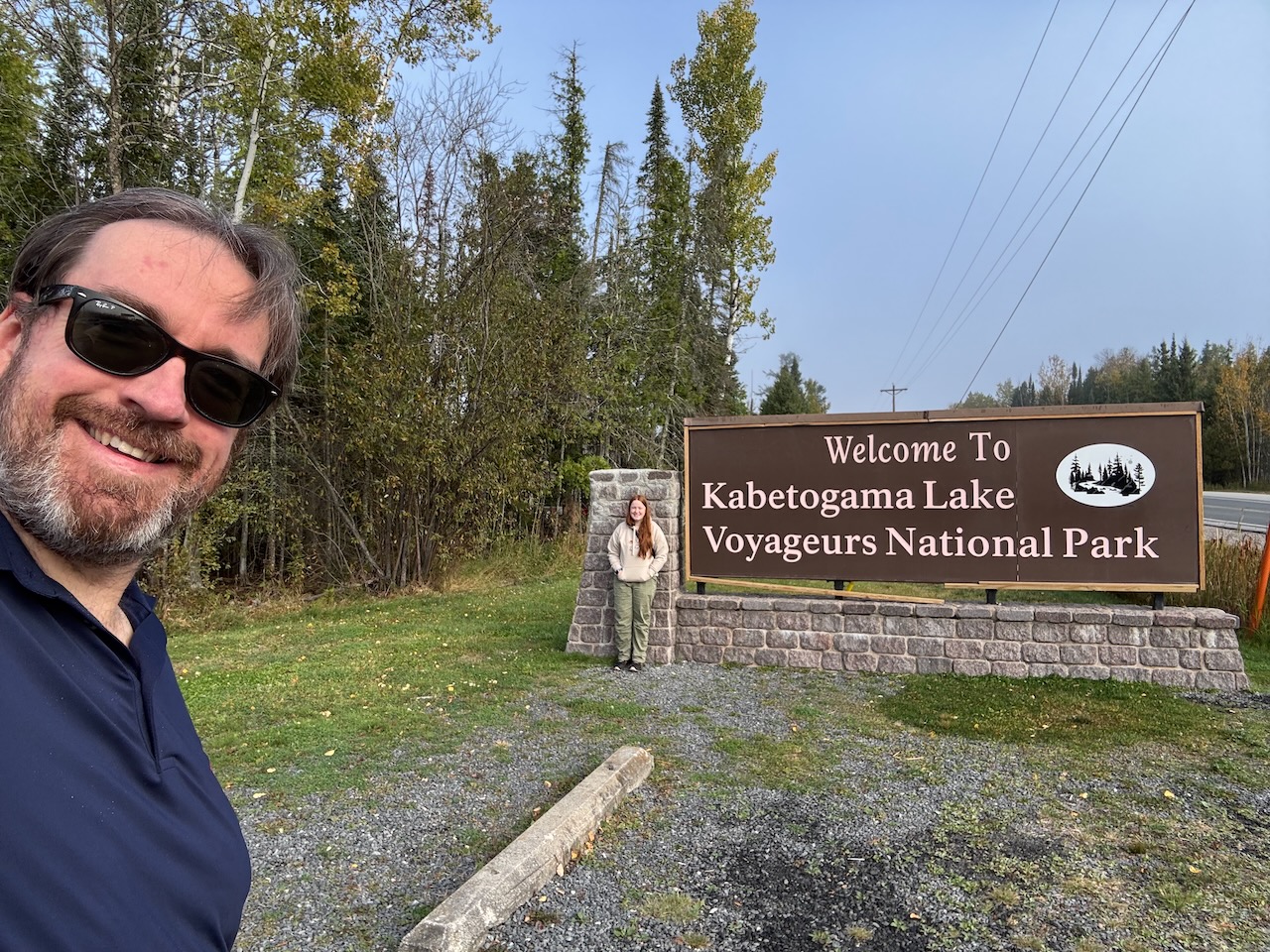
Because of the government shutdown, the visitor centers were closed during our stay meaning we’ll have to return one day just to get our passport stamp.
All told, it was a quiet, beautiful trip at a perfect time of year. Voyageurs isn’t the easiest park to reach or explore without a boat, but it has a calm, reflective beauty one that lingers long after you leave. I don’t know if it’s a place I’ll rush back to, but I’m grateful we saw it exactly as we did: on still water, in warm light, at the edge of a northern autumn.